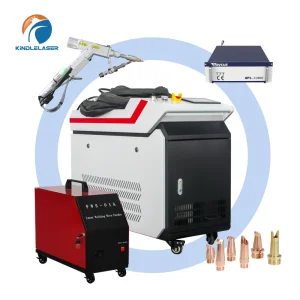
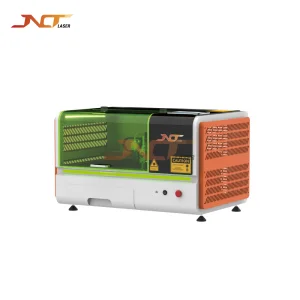
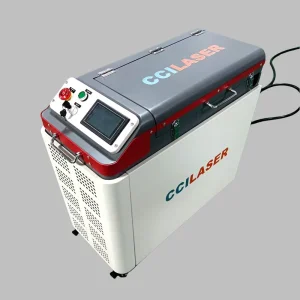
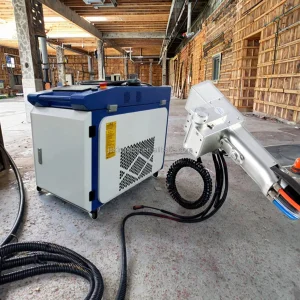
Explore our industrial range of precision handheld, automatic, and robotic CNC fiber laser solutions configured to enhance surface properties, cleanliness, and material durability.
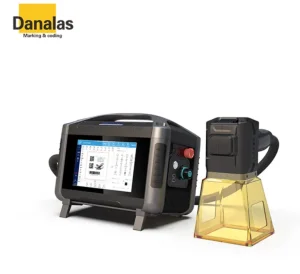
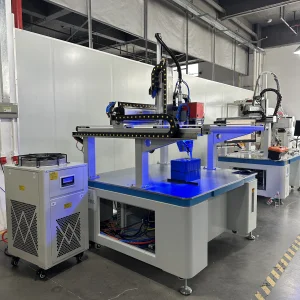
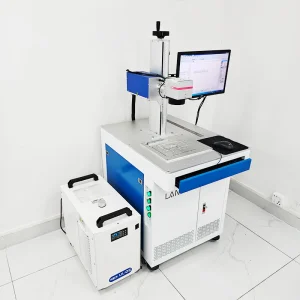
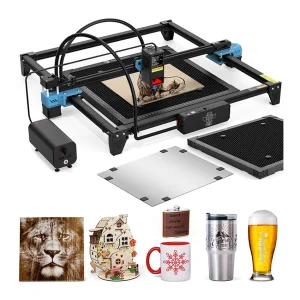
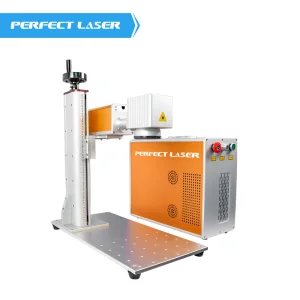
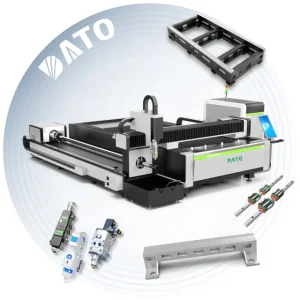
In modern industrial engineering, surface modification determines the operating lifespan, wear resistance, and environmental integrity of metallic and composite components. Laser Surface Treatment (LST) is a collection of high-intensity optical processes designed to selectively modify the surface attributes of materials. Using focused light energy, LST achieves localized heating, controlled melting, micro-structural recrystallization, or precise ablation with negligible thermal deformation of the substrate. For global procurement officers seeking long-term operational resilience, securing reliable systems from established custom OEM factories is imperative.
Conventional methodologies—such as chemical etching, sandblasting, and flame hardening—face strict regulatory pressure due to carbon emissions, toxic waste generation, and high operating costs. Laser surface treatment machine configurations present a sustainable, zero-contact alternative that is highly precise and repeatable.
By adjusting laser parameters such as pulse duration, power density, overlap rate, and spot size, operators can configure the system to remove microscale oxides, induce phase-change hardening, or deposit wear-resistant claddings. As an OEM manufacturer, we design bespoke optical delivery mechanisms and automated workstations optimized for various industrial applications.
When a high-power laser beam strikes a metal surface, the material absorbs electromagnetic energy. This energy absorption is determined by the laser's wavelength (typically 1064nm for fiber sources) and the substrate's optical characteristics.
In cleaning configurations, rapid absorption causes thermal shock, causing oxides or contaminants to expand and detach from the substrate. In texture modification processes, the laser generates localized micro-melting pools, which recast into specific patterns. This controls the friction coefficient, paint adhesion, and electrical conductivity of the material.
| Technology Type | Thermal Impact Zone | Primary Industrial Function | Typical Target Material | Energy Source Profile |
|---|---|---|---|---|
| Laser Cleaning / Rust Removal | Microscopic (Ablation-driven) | Oxide, Paint, and Contaminant Ablation | Carbon Steel, Aluminum Alloys, Copper | Pulsed Fiber (200W - 1000W) |
| Laser Hardening / Quenching | 0.5mm - 2.0mm depth | Martensitic Phase Transformation | Medium-Carbon Steel, Cast Iron | Continuous Wave Diode/Fiber (2000W+) |
| Laser Texturing (Structuring) | Sub-micron scale | Adhesion and Tribology Optimization | Tool Steel, Titanium, Glass/Quartz | Ultrafast Laser (UV or Picosecond) |
| Laser Cladding (LMD) | Metallurgical Fusion Bond | Corrosion Protection & Component Repair | Superalloys, Stainless Steel cladding | High-Power Fiber Laser (3kW - 6kW) |
Custom OEM laser machinery is integrated into global assembly lines to meet regional compliance standards, improve production uptime, and reduce carbon footprints.
Laser texturing and cleaning prepare battery trays, hairpin copper windings, and structural parts for adhesive bonding and automated welding. This ensures high structural integrity and joint electrical conductivity.
Gentle laser de-coating and oxide removal processes prevent thermal micro-cracking and hydrogen embrittlement in titanium alloys, single-crystal nickel turbine components, and military aircraft structures.
Ultrafast green and ultraviolet laser systems modify ceramic wafers, clean high-density PCBs, and selectively strip protective coatings at sub-micron scales without inducing thermal damage to adjacent electronic tracks.
Large-scale laser cleaning systems remove thick rust coatings, mill scale, and marine deposits from steel structures, facilitating precise weld preparation and extending the service life of protective paint coats.
High-speed selective ablation cleans current collector tabs, ensuring high-strength electrical contact and reducing internal battery resistance, which improves the charging speed and cycle life of lithium-ion cells.
Laser cleaning removes residual polymers, carbon deposits, and release agents from complex injection molds without causing dimensional wear, keeping mold tolerances tight and minimizing downtime.
Chengdu Jigsaw Machine Co., Ltd. builds laser and cutting systems that meet international safety, precision, and engineering requirements.
Founded in May 2010, Chengdu Jigsaw Machine Co., Ltd. is a high-tech enterprise specializing in the research and development, manufacturing, sales, and service of industrial sawing, cutting, and laser processing equipment. With years of experience in the field of cutting machinery and industrial automation, the company is committed to providing efficient, reliable, and intelligent solutions for global customers across a wide range of industries.
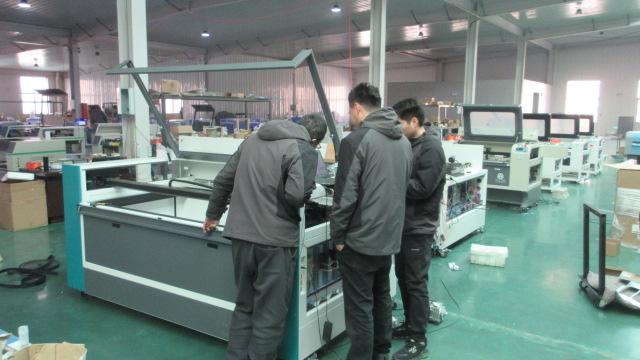
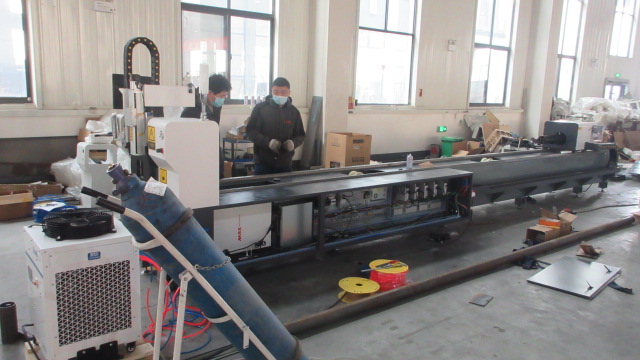
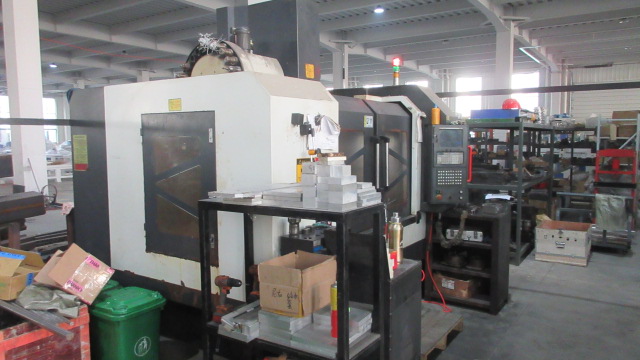
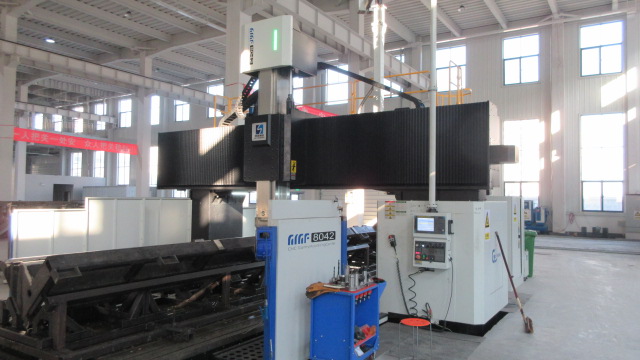
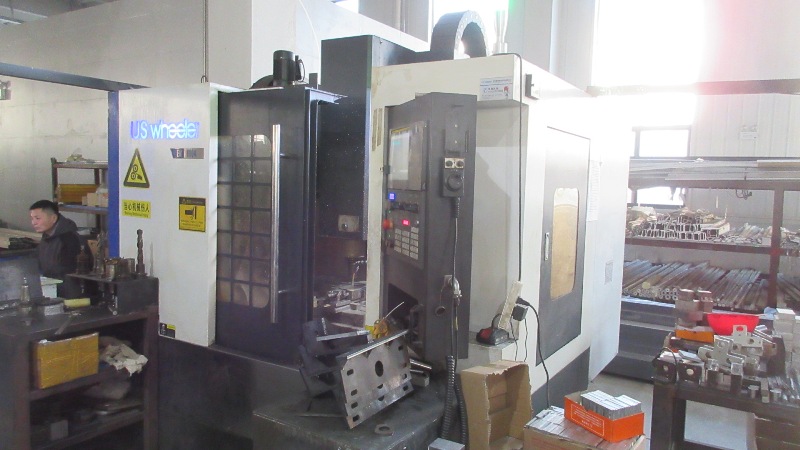
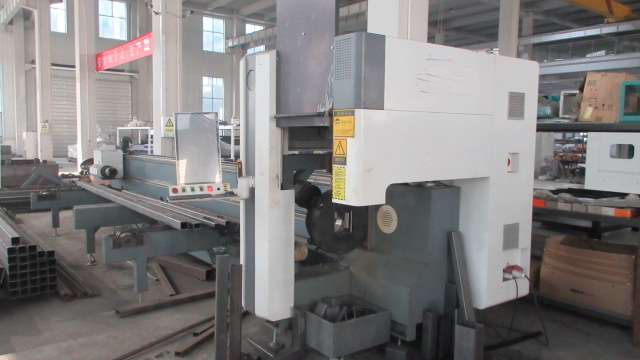
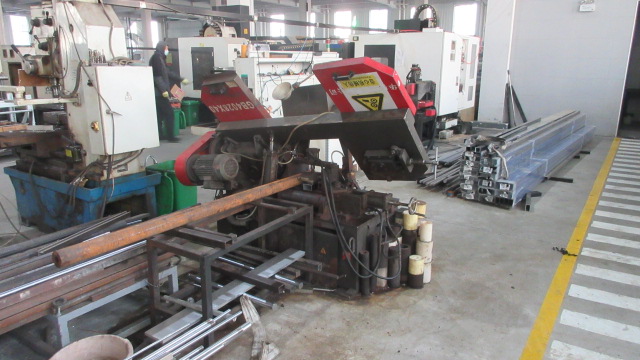
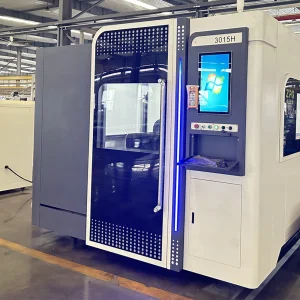
Operating from a modern production facility covering over 2,000 square meters, our factory is equipped with advanced machining, assembly, and testing systems. The company’s main product portfolio includes handheld systems, CNC automated production lines, heavy-duty gantry units, tube and profile processing equipment, as well as customized automation solutions. By integrating our expertise in precision machinery with laser source technologies, we supply custom OEM laser surface treatment units designed for continuous operation in harsh industrial environments.
Guided by the philosophy of “precision manufacturing and pursuit of excellence,” Chengdu Jigsaw Machine Co., Ltd. has established a distribution and technical support network in multiple countries, enabling after-sales service and engineering consultation. All facilities operate under the ISO9001 international quality management system and hold CE certification, ensuring that every shipped machine complies with international directives for safety and performance.
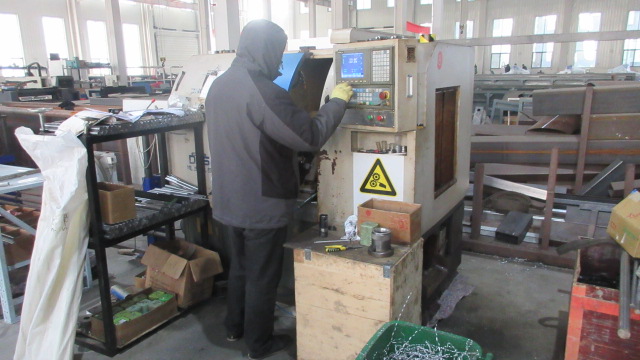
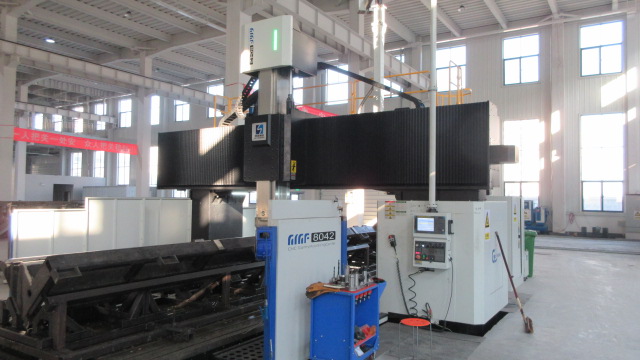
Development directions in high-precision laser surface engineering are focused on smart automation, multi-wavelength integration, and closed-loop process monitoring.
Future laser surface treatment machines will integrate inline optical sensors and infrared vision systems. By utilizing machine learning algorithms, the system can measure surface cleanliness, oxide residue, or roughness profile in real-time, dynamically adjusting the scanning speed, focus, and output power of the laser to match varying surface conditions. This eliminates manual configuration errors and ensures consistent quality.
While nanosecond pulsed lasers remain the industry standard for general cleaning, ultrafast laser sources (picosecond and femtosecond) are expanding within microscale surface texturing. Because these lasers have pulse widths shorter than the material's thermal relaxation time, they prevent heat-affected zones (HAZ). This makes them suitable for medical implants, aerospace valves, and micro-optics.
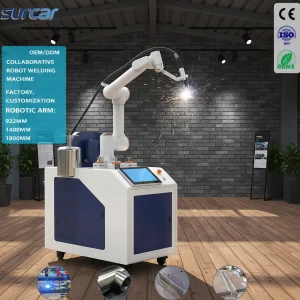
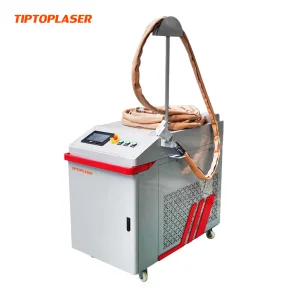
Integrating multi-axis articulated robots with collaborative control systems (Cobots) allows the laser beam to follow complex geometric paths. Handheld lasers are transforming into hybrid robotic workstations. This configuration improves workplace safety by placing operators outside the laser hazard zone while maintaining the flexibility of multi-axis paths.
Highly reflective metals like copper and gold absorb less than 5% of standard 1064nm infrared laser beams. The adoption of green (532nm) and blue (450nm) laser sources improves absorption rates, allowing operators to process reflective materials with lower source power. This reduces energy consumption and minimizes back-reflections that can damage the laser source.
Navigating safety directives, CE/FDA certifications, and ensuring localized field engineering support for international factories.
Operating Class 4 high-power industrial laser sources requires safety measures to protect personnel. Our custom OEM laser systems are designed with protective enclosures that meet safety standards like EN 60825-1 and 21 CFR 1040.10.
To ensure minimal downtime on automotive or heavy industrial production lines, our local support networks provide installation, operator training, and field service. Our engineers are trained to integrate these machines with existing PLC networks (such as Siemens, Beckhoff, or Rockwell Automation), allowing for remote diagnostics, performance tracking, and troubleshooting.
Furthermore, our spare parts depots maintain stocks of laser optics, protective windows, galvo mirrors, and cooling components to quickly resolve any maintenance requirements.
Technical answers to common questions raised by procurement managers, process engineers, and metallurgical specialists.
Review additional configurations including CNC workstations, collaborative robotic systems, and high-power metal cutters designed for industrial manufacturing.
 Jigsaw Machine