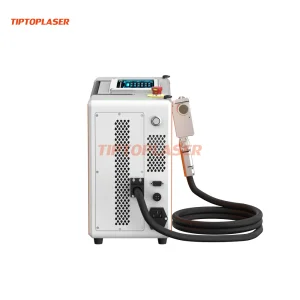
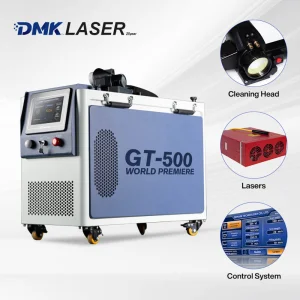
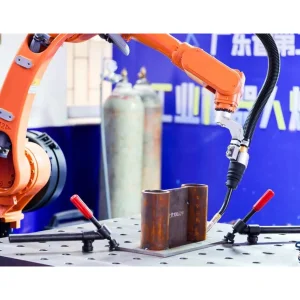
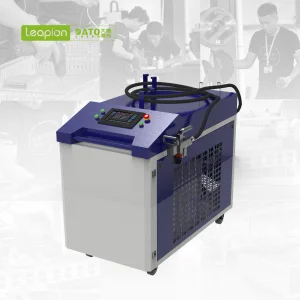
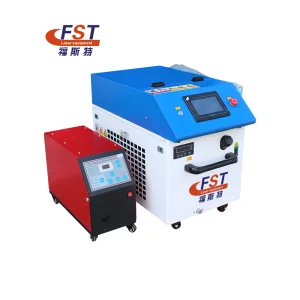
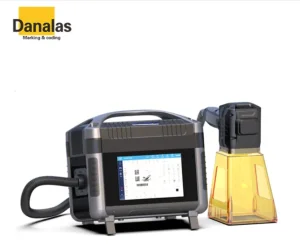
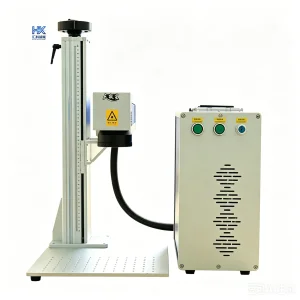
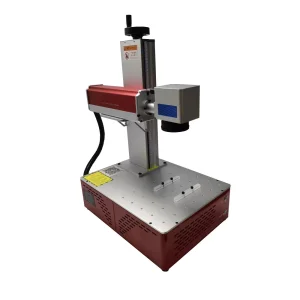
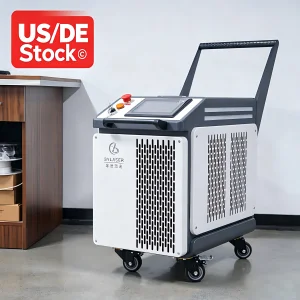
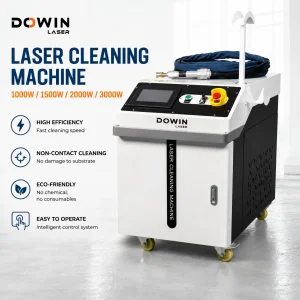
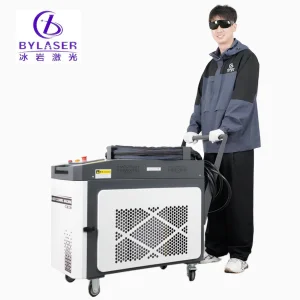
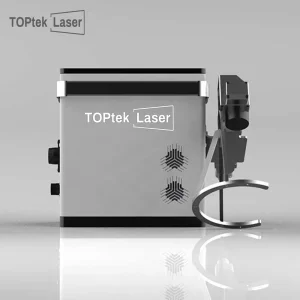
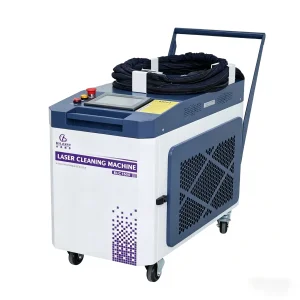
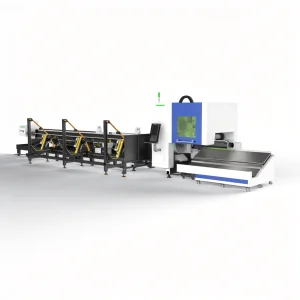
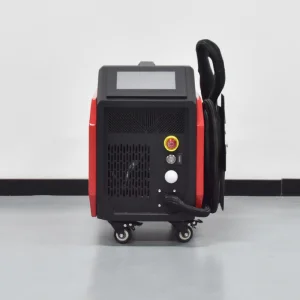
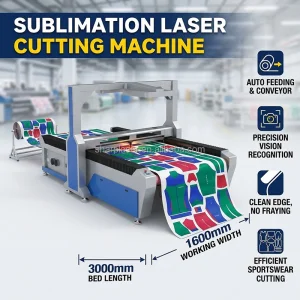
Explore our top-tier configurations optimized for automated surface prep, deep clean marking, and customized multi-axis fabrication.
Empowering manufacturing ecosystems with robust output profiles, extreme duty cycles, and micron-level accuracy.
In the contemporary landscape of high-value manufacturing, component traceability, and structural surface optimization, custom OEM laser engraving technology has transitioned from a downstream finishing tool to an upstream critical pathway. Today's globally connected supply chains mandate strict component marking methodologies (such as Unique Device Identification in medical implants, and direct part marking in aerospace) which must endure corrosive environments, high temperature thresholds, and chemical exposures without degradation.
Industrial laser engraving leverages concentrated coherent light beams to modify the surface layer of a target substrate. Unlike traditional mechanical milling or ink-jet deposition, laser processing interacts directly with the material matrix at atomic or molecular thresholds. Depending on the pulse width, peak irradiance, and wavelength profile, the laser executes one of several physical phenomena: surface ablation, structural oxidation (annealing), color transformation, or sublimative engraving. Achieving repeatable high-fidelity marking requires micro-calibrated laser control modules that accommodate dynamic density profiles of various substrates.
Information Gain Perspective: Modern laser engraving systems no longer just modify structural aesthetics; they serve as dynamic processing stations. By combining high-speed galvanometric mirrors with variable MOPA (Master Oscillator Power Amplifier) pulse envelopes, modern manufacturers can control the exact Heat Affected Zone (HAZ), allowing marking on extremely thin materials without thermal buckling or localized stress cracking.
The core criteria of a high-yield laser installation is the match between the emission spectrum of the laser source and the light absorption spectrum of the workpiece. Fiber lasers operating around the 1064nm wavelength excel in metal substrates (e.g., aerospace titanium, carbon steels, and copper alloys) due to high photon absorption rates on these surfaces. Conversely, synthetic materials, textiles, and organic matrices exhibit much higher absorption at longer infrared wavelengths (such as 10.6μm produced by CO2 gas lasers) or at ultra-short ultraviolet wavelengths (typically 355nm, which utilizes cold photolytic ablation to process sensitive electronics packaging without heat generation).
The global demand for industrial laser systems is expanding rapidly. Automotive plants require fast VIN marking on heat-treated alloys; semiconductor houses need micro-etched matrix bar-codes on silicon wafers; consumer electronics brands mandate tactile logo marks on anodized aluminum chassis. For these industries, downtime equates to massive fiscal losses. The market now prioritizes integrated OEM configurations that readily mesh with industrial networks (such as EtherCAT, PROFINET, or Modbus TCP) to allow diagnostic reporting and on-the-fly marking parameter updates directly from central ERP systems.
Standard off-the-shelf marking systems rarely suffice in these environments. OEM partnerships are required to develop custom laser heads, tailored optics arrays, and custom enclosures that match existing production line footprints. Manufacturers who invest in custom design gain high operational stability, optimized beam parameter products (BPP), and localized optical shielding options. This level of customization ensures that the final assembly operates safely under Class 1 laser regulations while executing high-speed, continuous-throughput production.
From optical path components to automated software interfaces, modern laser engraving platforms demand strict subsystem alignment.
The global dominance of Chinese manufacturing in the industrial laser machinery sector is rooted in unmatched vertical supply chain integration. The production of a high-performance fiber laser machine requires a complex ecosystem of optical fibers, laser diodes, high-speed galvo scanners, F-theta lenses, CNC motion controllers, structural cast bases, and robust power grids. In Chinese manufacturing hubs—particularly within regional industrial parks—these component vendors are concentrated within small geographic radii. This close proximity minimizes logistics delays, permits real-time engineering iterations, and drastically lowers overall component sourcing costs.
Far from merely assembling imported components, Chinese factories have achieved significant R&D breakthroughs. Leading domestic companies design and manufacture their own laser diodes, high-efficiency fiber gain media, and advanced digital control software. This deep level of domestic R&D enables Chinese manufacturers to provide high performance metrics at highly competitive capital acquisition costs. Industrial buyers benefit from highly reliable equipment that matches or exceeds Western equivalents, backed by a robust supply chain that can manufacture and ship custom configurations in a fraction of the time.
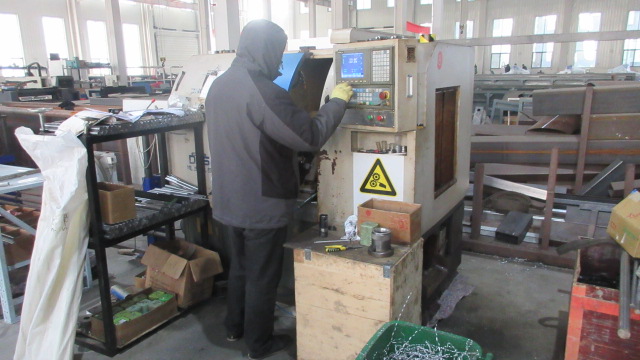
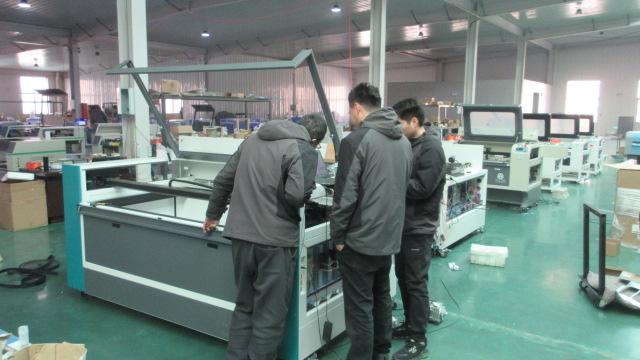
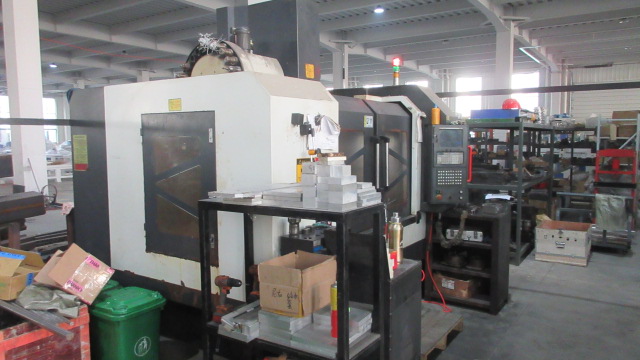
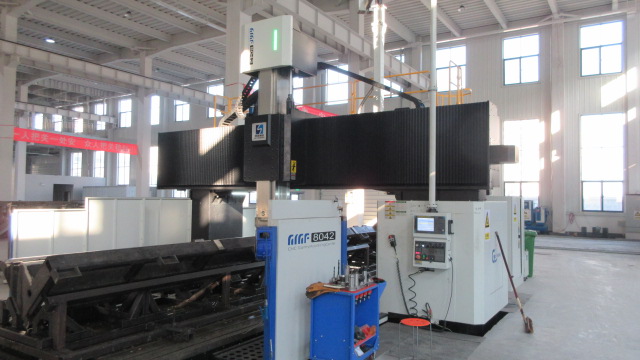
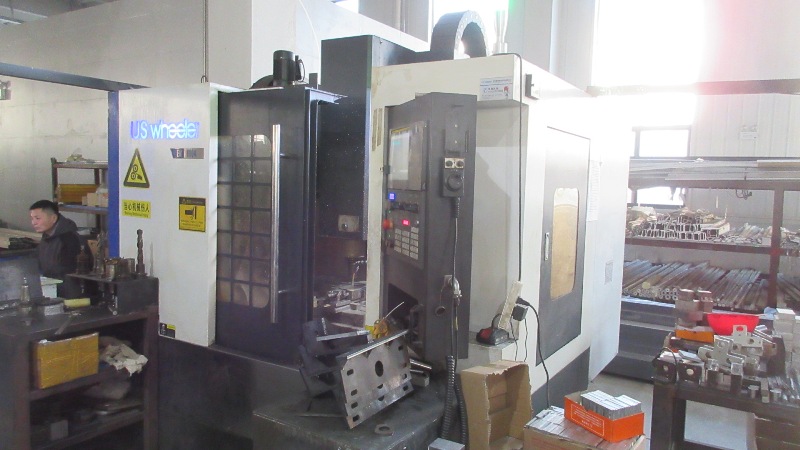
Factory Reliability Insight: By conducting raw cast frame machining, precision milling, component assembly, and multi-stress burn-in tests in-house, modern Chinese factories ensure that thermal expansion stresses do not impact the calibration of the optical assembly. A rigid mechanical foundation is key to ensuring that sub-micron galvanic positioning accuracy does not degrade over years of continuous industrial operation.
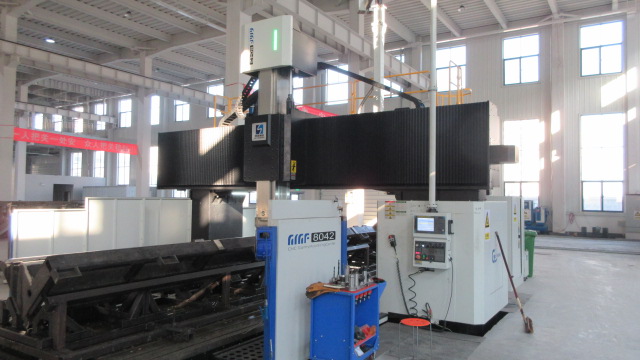
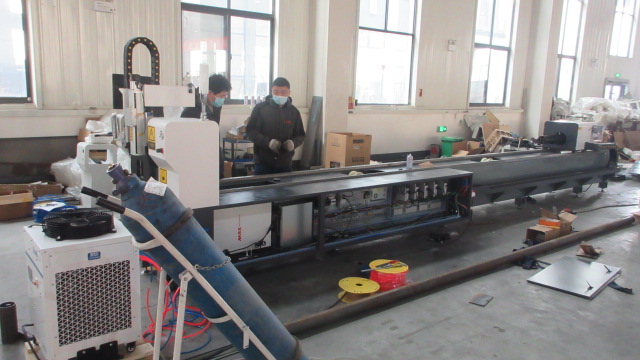
Furthermore, the agility of Chinese OEM manufacturers is particularly advantageous for customized projects. When global manufacturers require bespoke structural layouts, custom loading gantries, or custom pneumatic positioning jigs, Chinese engineering departments can quickly model, prototype, and manufacture custom designs. This fast development cycle enables international buyers to rapidly adapt to shifting market demands without lengthy delay times.
The practical application of laser engraving technology differs significantly based on the operating environment and substrate constraints. Below are three representative use cases showing how specialized configurations solve complex industrial marking problems:
In aerospace applications, marking components without inducing localized thermal stress is critical. Heavy mechanical stress or heat input can create micro-fractures in structural alloys. Using MOPA fiber lasers configured with ultra-short pulse widths (e.g., 4ns to 10ns), engineers can execute a controlled surface oxidation process (often referred to as laser annealing) on stainless steel and titanium. This process creates a dark, highly readable mark beneath the protective passive layer of the metal without changing the alloy's structural integrity or tensile strength.
Semiconductor wafer processing requires micro-engraving clear matrix tracking codes on extremely small footprints without creating debris or introducing chemical contaminants. UV lasers (355nm) are typical in this application because of their "cold processing" characteristics. The high-energy UV photons directly break chemical bonds in the substrate, cleanly vaporizing material with almost no thermal transfer to adjacent circuit features. This ensures that micro-electronic systems are marked without thermal damage, preserving high yield rates.
In high-volume consumer goods, packaging materials such as wood, leather, specialized polymers, and cardboard must be marked with variable batch data in milliseconds. High-speed CO2 laser marking heads, paired with dynamic galvo systems, allow high-contrast marking on conveyor systems running at several meters per second. The laser system adjusts in real-time to variable sensor inputs, ensuring consistent engraving depth and clarity even if the packaging line speeds fluctuate.
Combining precision engineering, advanced industrial automation, and deep R&D since May 2010.
Founded in May 2010, Chengdu Jigsaw Machine Co., Ltd. is a high-tech enterprise specializing in the research and development, manufacturing, sales, and service of industrial sawing and cutting equipment. With years of experience in the field of cutting machinery and industrial automation, the company is committed to providing efficient, reliable, and intelligent cutting solutions for global customers across a wide range of industries.
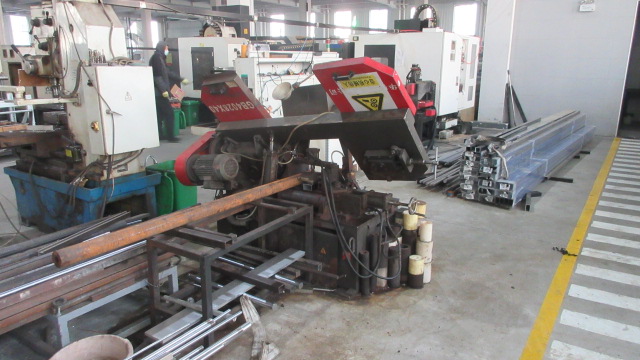
The company’s main product portfolio includes handheld jigsaw machines, industrial reciprocating saws, CNC sawing and cutting systems, automated cutting production lines, gantry-type heavy-duty cutting machines, tube and profile cutting equipment, as well as intelligent feeding systems and customized automation solutions. These products are widely used in woodworking, metal fabrication, construction, furniture manufacturing, and general industrial processing.
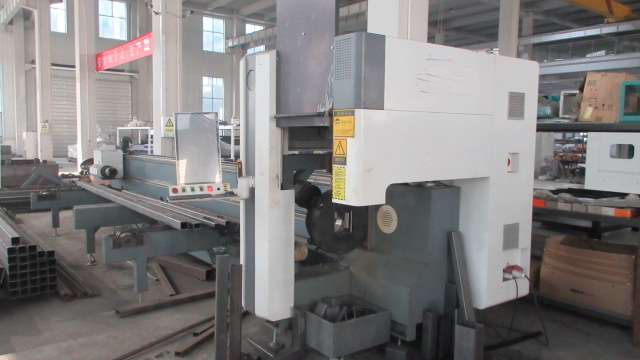
Chengdu Jigsaw Machine Co., Ltd. operates a modern production facility covering over 2,000 square meters, equipped with advanced machining, assembly, and testing systems. The company has established a strong domestic and international distribution network, with partners and agents in multiple countries and regions, enabling timely technical support and comprehensive after-sales service for customers worldwide.
Since its establishment, the company has continuously focused on innovation and resource integration in R&D, manufacturing, and application development. It has obtained ISO9001 international quality management system certification and CE certification, ensuring that all products meet strict international standards for quality, safety, and performance.
Guided by the spirit of "precision manufacturing and pursuit of excellence," Chengdu Jigsaw Machine Co., Ltd. adheres to a development philosophy of continuous innovation and practical advancement. The company values talent development, encourages creativity, and is dedicated to improving product competitiveness and service capabilities.
With the core values of "creating value for customers, supporting employee growth, and earning industry recognition," the company is committed to delivering high-performance, intelligent cutting equipment and integrated solutions, helping global clients achieve greater efficiency, automation, and sustainable industrial development.
Selecting an industrial laser engine requires evaluating key performance parameters against the intended application substrate. The matrix below contrasts primary laser technologies across key technical indexes:
| Technology Type | Standard Wavelength | Compatible Materials | Primary Advantage | Common Applications |
|---|---|---|---|---|
| Fiber Laser (Q-Switched) | 1064 nm | Steels, Titanium, Brass, High-Density Polymers | High speed, low hardware cost, extreme source lifespan | Barcode marking, direct part metal serialization |
| MOPA Fiber Laser | 1064 nm (Variable Pulse) | Anodized Aluminum, Stainless Steel, Plastics | Adjustable pulse width, clean colors, low thermal stress | Consumer electronics, high-contrast plastic marking |
| CO2 Gas Laser | 10.6 μm | Wood, Leather, Acrylic, Glass, Cardboard | High absorption rate in organic substrates | Packaging dates, non-metal engraving & scoring |
| UV Laser (DPSS) | 355 nm | Silicon Wafers, Sensitive Glass, Thin Plastics | Cold ablation, minimal heat-affected zones | Micro-electronics marking, medical catheter branding |
The industrial laser sector is rapidly moving toward higher automation and intelligence. Key technical trends shaping the industry include:
Modern production facilities require marking hardware that self-corrects for parts placement variations. By embedding coaxial camera arrays inside the optical head, modern laser marking platforms use vision processing algorithms to automatically detect the workpiece coordinates. The system adjusts the engraving path rotation, scale, and focus height in real-time, eliminating the need for complex, high-tolerance alignment jigs and ensuring consistent marking placement even on moving production lines.
As micro-electronic features shrink, the thermal diffusion from nanosecond fiber lasers can compromise adjacent micro-structures. Ultra-short pulse systems use picosecond or femtosecond pulse lengths to vaporize material faster than heat can conduct through the substrate. This "cold" laser ablation process achieves clean cuts and micro-engravings with near-zero melt lips, rendering it critical for high-end medical implants and next-generation semi-conductor arrays.
Technical insights addressing key operating challenges and procurement considerations.
A: Q-switched lasers output pulse widths at fixed values (typically 100-130ns) with frequency limits between 20-80kHz, making them well-suited for general deep metal etching. MOPA lasers allow variable pulse width control from 2-500ns and operate at frequencies up to 1MHz. This flexibility allows precise thermal control, enabling black marking on anodized aluminum, color annealing on stainless steel, and clean marking on sensitive plastics with minimized surface damage.
A: Solid-state fiber laser sources (such as Raycus, JPT, or IPG) boast operational life expectancy values up to 100,000 hours, equivalent to approximately 10 years of continuous multi-shift production. The primary wear items are external components, such as exhaust filters, galvo scanner bearings, and cover slides. Ensuring consistent ambient temperatures and adequate fume extraction maximizes the system's operational lifespan.
A: Industrial laser cleaning is a dry, non-contact process that selectively ablates surface oxides, coatings, or oils without removing base metal. Unlike sandblasting, it creates no secondary waste streams, and unlike chemical baths, it requires no hazardous chemical storage or disposal protocols. This makes laser cleaning a highly cost-effective, environmentally friendly option for high-volume automated manufacturing lines.
A: OEM options include custom fiber delivery cables, compact scan heads for robotic arm mounting, pneumatic Z-axis focal adjustment, barcode scanners for mark validation, and software interfaces for direct communication with PLCs and MES software via TCP/IP protocols.
High-power continuous wave cleaners and multi-axis fabrication systems designed for heavy-duty manufacturing environments.
 Jigsaw Machine