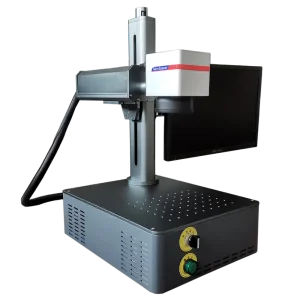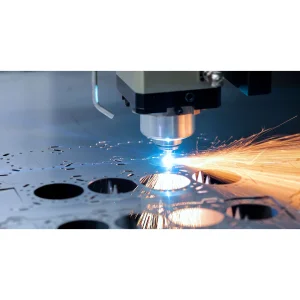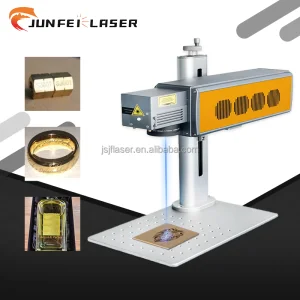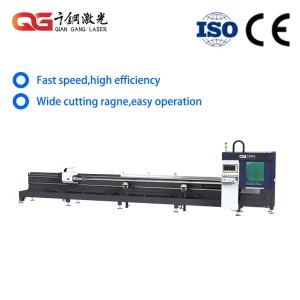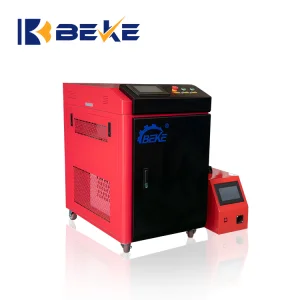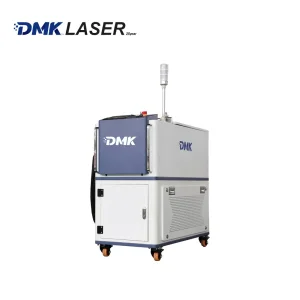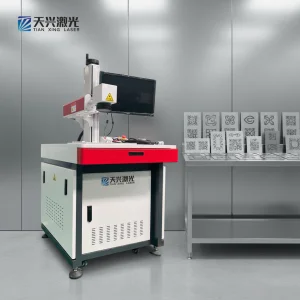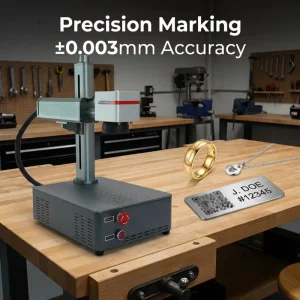
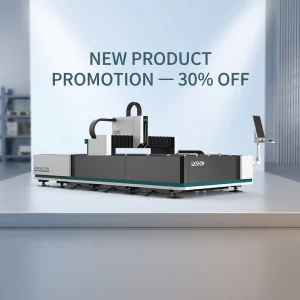
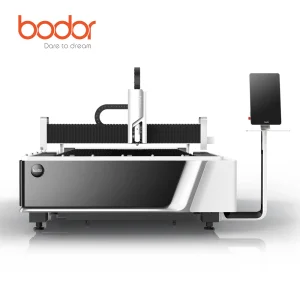
Modern industrial manufacturing is undergoing a paradigm shift, transitioning rapidly from mechanical-contact cutting systems to computer-guided, non-contact thermal processing. The rise of fiber laser cutting systems has rewritten the parameters of high-volume sheet metal processing, structural engineering, and precision electronics marking. As a leading hub of manufacturing infrastructure, China's export-oriented factories have emerged as global leaders in delivering high-power, reliable, and cost-effective CNC laser solutions.
Traditional mechanical methods face distinct boundaries regarding mechanical stress, tool wear, and heat-affected zones (HAZ). Modern laser resonators, operating at wavelengths around 1.06μm for fiber and 10.6μm for CO2, concentrate extreme thermal energy density on target focal points. This enables instant vaporization of structural alloys, carbon steel, and non-ferrous metals under gas-assisted pressures (Nitrogen, Oxygen, or compressed dry air).
By implementing cutting-edge CNC platforms with intuitive interfaces such as CYPCUT or EZCAD, these factories allow industrial enterprises across North America, Europe, and Asia to minimize manual calibration and maximize processing yields.
Founded in May 2010, Chengdu Jigsaw Machine Co., Ltd. is a high-tech enterprise specializing in the research and development, manufacturing, sales, and service of industrial sawing, cutting, and high-performance automated fabrication equipment. With years of deep engineering experience in the field of cutting machinery and industrial automation, the company is committed to providing efficient, reliable, and intelligent cutting solutions for global customers across a wide range of metalworking and material processing industries.
The company’s main product portfolio includes handheld jigsaw machines, industrial reciprocating saws, CNC sawing and cutting systems, automated cutting production lines, gantry-type heavy-duty cutting machines, tube and profile cutting equipment, as well as intelligent feeding systems and customized automation solutions. These products are widely used in woodworking, metal fabrication, construction, furniture manufacturing, and general industrial processing.
"Guided by the spirit of 'precision manufacturing and pursuit of excellence,' Chengdu Jigsaw Machine Co., Ltd. operates a modern production facility covering over 2,000 square meters, equipped with advanced machining, assembly, and testing systems. All hardware systems meet ISO9001 quality management and CE safety standards, enabling reliable operation across complex manufacturing layouts."
Since its establishment, the company has continuously focused on innovation and resource integration in R&D, manufacturing, and application development. It has established a strong domestic and international distribution network, with partners and agents in multiple countries and regions, enabling timely technical support and comprehensive after-sales service for customers worldwide. Chengdu Jigsaw Machine Co., Ltd. values talent development, encourages creativity, and is dedicated to improving product competitiveness and service capabilities, helping global clients achieve greater efficiency, automation, and sustainable industrial development.
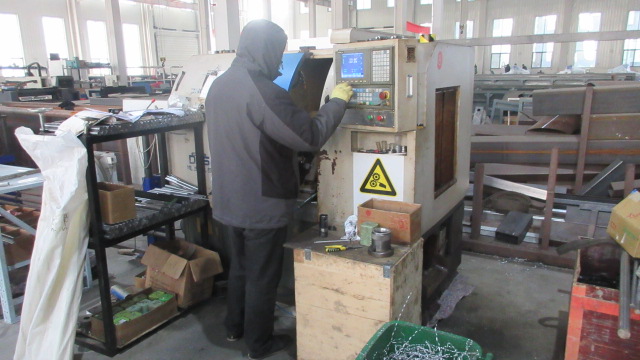
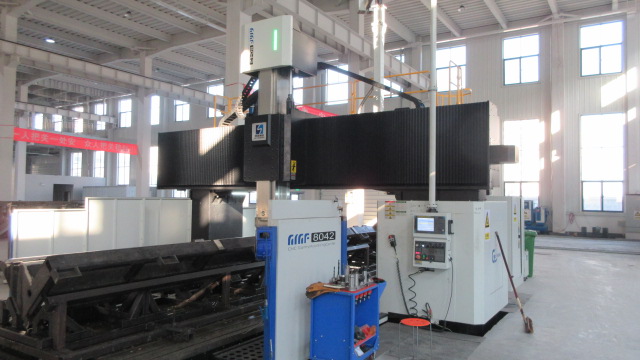
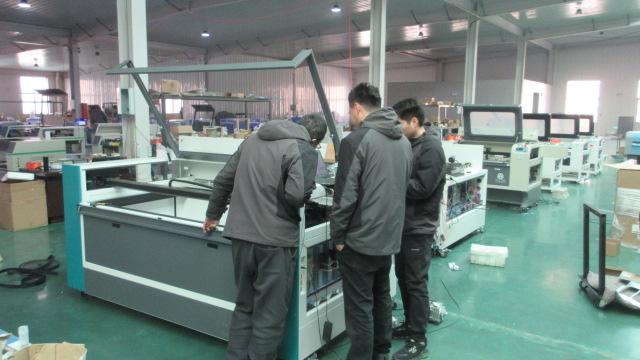
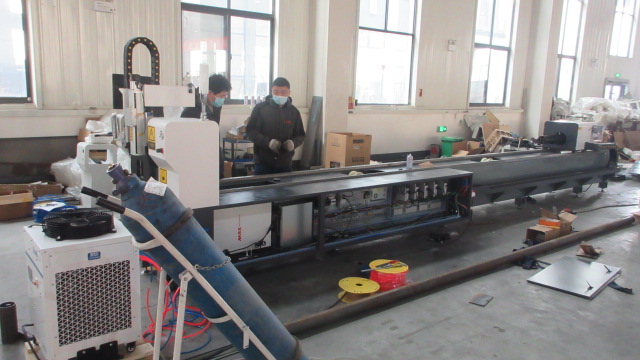
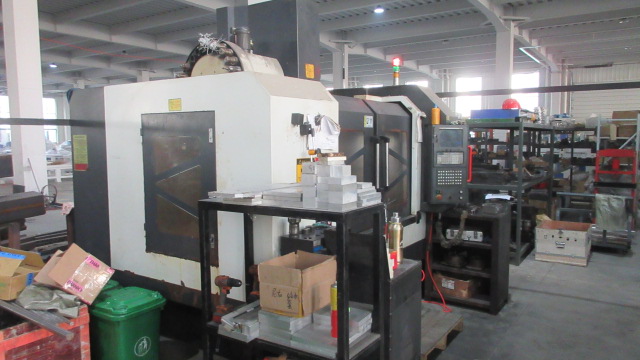
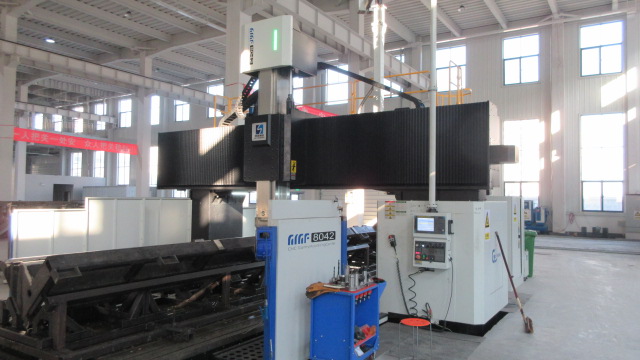
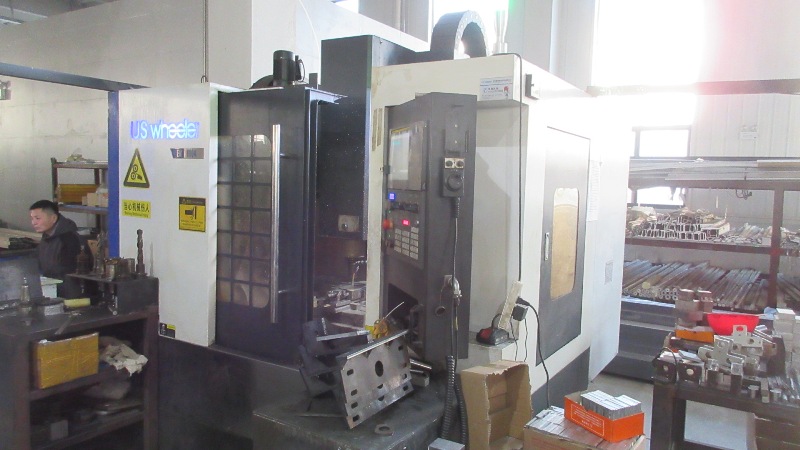
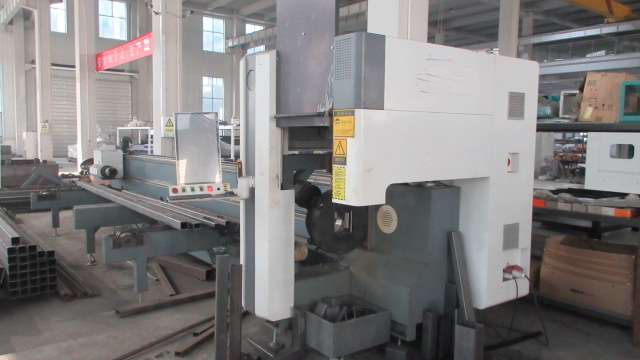
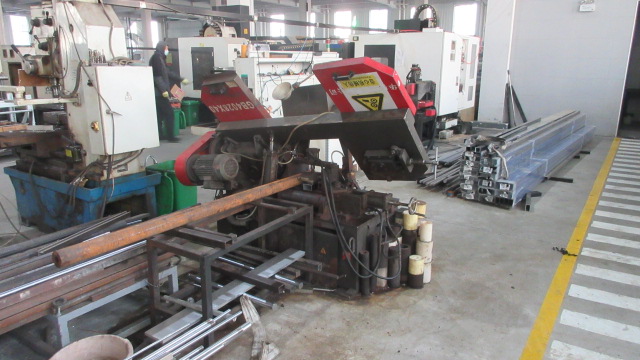
The global competitiveness of China-originated industrial laser systems is built upon a highly dense component ecosystem. Leading manufacturers utilize top-tier optoelectronic components, structural cast gantries, and precision linear guides. This minimizes system integration costs while guaranteeing premium operation.
The core resonator defines the beam quality (M² factor) and long-term laser performance. Exporters leverage leading domestic fiber sources (like Raycus, Maxphotonics, and JPT) alongside internationally recognized brands (IPG, nLIGHT). They configure components to deliver optimal wall-plug efficiency, high back-reflection protection, and stable power outputs.
High-speed laser cutting requires stable, vibration-absorbent structures. Using plate-welded or cast-iron beds, machines are stress-relieved through annealing at temperatures exceeding 600°C. This ensures high structural integrity and prevents mechanical deformation over years of continuous operations.
| Laser Source Class | Common Power Range | Material Application | Advantageous Processing Scenarios |
|---|---|---|---|
| Fiber Laser (Continuous Wave) | 1,000W – 30,000W | Stainless steel, carbon steel, aluminum, brass, copper | High-speed sheet metal fabrication, thick-plate cutting, continuous operation |
| MOPA Fiber Laser (Pulsed) | 20W – 200W | Engineered plastics, stainless steel (color), anodized aluminum | High-definition color marking, electronic component branding, paint stripping |
| CO2 Laser (Glass/Metal Tube) | 40W – 400W | Wood, acrylic, leather, glass, textiles | Non-metal signage production, organic material processing, packaging cuts |
| Galvo Laser Markers | 20W – 100W | Reflective metals, tool steel, alloy components, plastics | Ultra-rapid inline automated markings, multi-character serial tagging |
Procuring manufacturing machinery globally demands compliance with complex international safety standards. Chinese exporters ensure their equipment meets these regulations to facilitate smooth custom clearance and safe factory integration.
Key regulatory compliance frameworks implemented include:
All premium fiber lasers exported to EU markets carry valid CE certificates conforming to directives like EN ISO 11553-1:2020 (Laser safety requirements for machine tools) and EN 60825-1 (Safety of laser products). The machines integrate safety features like safety interlocks, optical viewing windows, and active enclosure monitors.
For buyers in the United States and Canada, compliance with FDA CDRH (Center for Devices and Radiological Health) guidelines is critical. Laser products are classified under Class I (fully enclosed system) or Class IV (open laser beam) settings. This classification mandates the integration of manual resets, warning lights, emission indicators, and clear labeling.
Technical Support Tip: When importing laser machines, confirm that the supplier provides localized wiring schematics conforming to your region's voltage standards (e.g., 220V Single Phase, 380V/480V 3-Phase at 50Hz/60Hz). Leading factories provide pre-configured step-up or step-down industrial transformers to ensure seamless factory integration.
Laser processing systems are highly versatile, finding use in heavy machinery manufacturing, precision automotive parts, medical electronics, and custom sheet metal fabrication.
With high-power continuous-wave fiber systems (ranging from 3kW to 12kW+), operators process carbon steel and stainless steel sheets up to 50mm thick. Dual-shuttle tables speed up cycle times by allowing automated unloading of finished components.
Integrated CNC chuck systems, like the G120C high-speed tube cutter, support automated cutting of square, round, and elliptical pipes. Smart software algorithms handle complex joint preparation cuts and beveling.
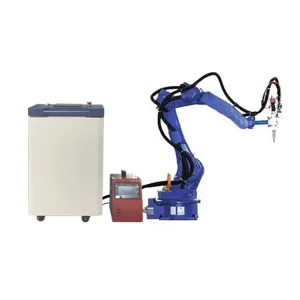
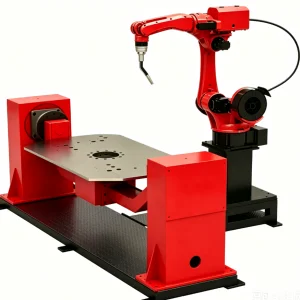
Using 6-axis collaborative robotic arms coupled with seam-tracking sensors, manufacturers can weld complex components in high-mix, low-volume production lines.
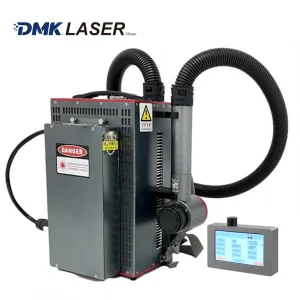
High-frequency pulsed laser cleaners offer a non-abrasive solution for surface preparation, rust removal, and paint stripping without the use of harsh chemicals.
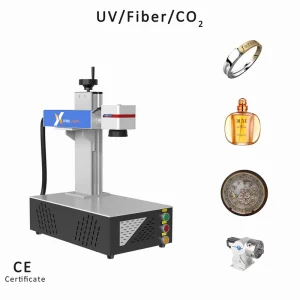
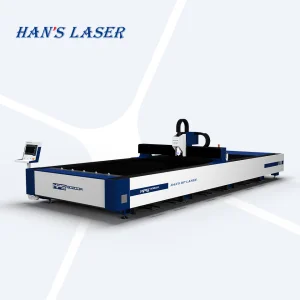
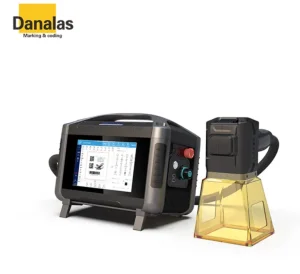
 Jigsaw Machine