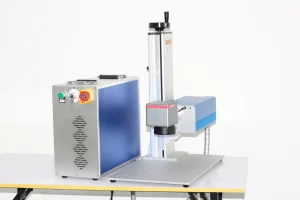
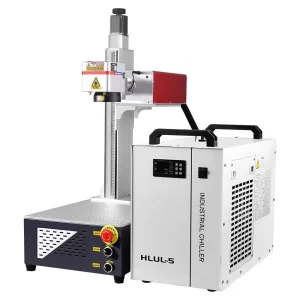
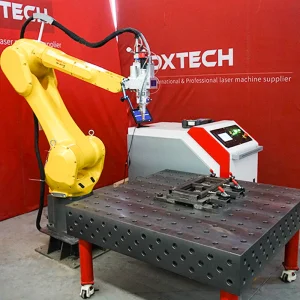
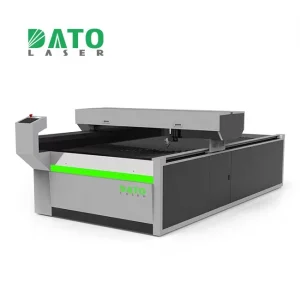
Explore our elite range of advanced high-power industrial laser systems, specifically configured for heavy-duty metal engraving, micro-cutting, paint removal, and high-speed precision markings.
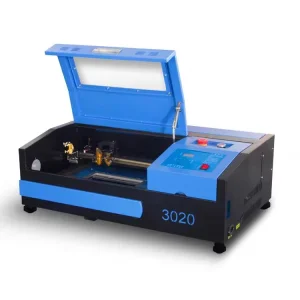
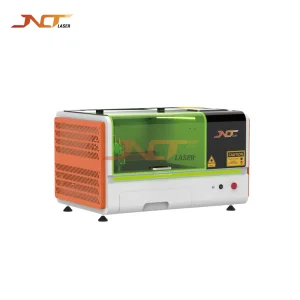
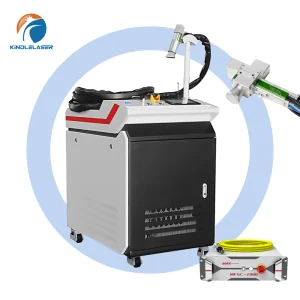
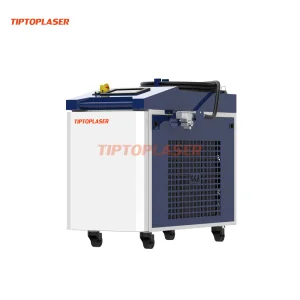
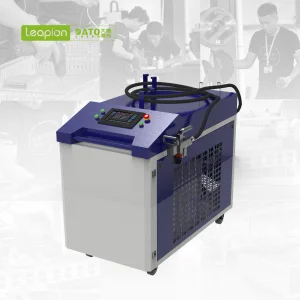
Decoding market demand, operational ROI metrics, and technological specification matching for international manufacturing facilities.
The paradigm of global procurement for high-power laser marking machinery has shifted dramatically from basic transactional cost considerations to rigorous technical parameter analysis. Today’s industrial operations require laser marking solutions that integrate seamlessly into complex production pipelines, satisfying stringent throughput requirements, minimal thermal degradation characteristics, and reliable uptime. With industries like electronics, automotive, aerospace, and medical instrumentation moving towards permanent traceability, the choice of the appropriate laser wavelength and power configuration is crucial.
For procurement officers, identifying a reliable factory-direct supplier in China means evaluating the complete supply chain ecosystem. Beyond the basic laser unit, buyers analyze the quality of the optical beam expanders, galvo scanning heads (such as premium Sino-Galvo or Scanlab options), software stability (JCZ EZCAD integration with digital fieldbus communication), and mechanical structural reliability. High-power systems, specifically those starting at 30W and scaling to 100W for pulsed fiber units, and up to kilowatts for cleaning/cutting systems, demand highly stable resonators, precise water cooling, and specialized safety shielding.
Strategic Insight: "True operational efficiency is achieved by aligning the laser source's beam parameter product (BPP) with the specific substrate's optical absorption profile. Selecting the wrong laser type, regardless of its raw output power, can lead to micro-fractures, poor marking contrast, and increased thermal stress."
Furthermore, regional safety regulations dictate standard features. North American markets demand CDRH Class I certifications and custom enclosures equipped with safety interlocks. Meanwhile, European markets require CE conformity and comprehensive dust extraction systems to control micro-fumes generated during high-power ablation. Supplier capabilities are measured not only by production volume but also by their adherence to strict ISO 9001 quality management practices and their capacity to supply comprehensive components for customized automated lines.
Discover how industrial laser marking systems resolve complex manufacturing challenges across various material classes and production sectors.
High-speed deep engraving of vehicle identification numbers (VINs) on high-strength cast iron, structural steel, and anodized aluminum chassis. Operates in high-temperature environments, generating durable barcodes resistant to corrosion, painting, and shot blasting.
Non-destructive, stress-free etching on critical aerospace components. Our MOPA fiber laser systems offer adjustable pulse durations, preventing micro-stress fractures and avoiding material crystallization in sensitive titanium alloys and carbon fiber parts.
Micro-marking of high-density interconnect PCBs, ceramic substrates, and epoxy-encapsulated semiconductor packages. Utilizing ultraviolet (355nm) cold lasers to ensure micro-precision without introducing thermal stress to neighboring micro-circuits.
Corrosion-proof, biocompatible markings on surgical instruments and implants made of 316L stainless steel or titanium alloys. Adjusting pulse metrics to achieve deep oxidation layer marking, preserving oxide coatings, and passing citric acid passivation tests.
High-speed, fly-marking system integrations for PVC, PE, HDPE, and LSZH cable jackets. UV and high-frequency fiber solutions enable sharp contrast alphanumeric and barcode prints on high-speed extrusion lines operating up to 300m/min.
High-precision decorative engraving, logo design, and regulatory text markings on anodized aluminum alloys, magnesium alloys, glass, and composites for smartphones, wearable devices, and portable computing hardware.
Analyzing modern hardware architecture, pulse dynamics, and industrial integration trends shaping future high-power laser system developments.
Modern industrial processing systems are shaped by the convergence of fiber optoelectronics, edge computing control architectures, and high-dynamic-range scanning systems. Within the high-power marking domain, fiber laser systems continue to serve as the baseline, driven by high wall-plug efficiency (often exceeding 30%) and a maintenance-free lifetime that typically surpasses 100,000 operational hours. As laser engines advance, the integration of Master Oscillator Power Amplifier (MOPA) systems allows independent configuration of pulse duration (ranging from 2ns to 500ns) and repetition rate (1kHz to 4000kHz). This offers manufacturers unparalleled control over thermal input and marking precision.
Concurrently, the industrial landscape is shifting from traditional manual marking stations towards automated production cells. Smart industrial integration leverages advanced machine vision networks, utilizing high-resolution coaxial CCD cameras mounted directly in line with the galvo scan path. This allows for automated part recognition, coordinate offset calculation, and real-time positional correction. These features ensure consistent mark registration regardless of part positioning. The integration of EtherCAT, Modbus/TCP, and OPC UA interfaces facilitates direct connectivity with manufacturing execution systems (MES) and enterprise resource planning (ERP) databases, enabling dynamic, batch-specific serialization.
Looking ahead, the industry is transitioning from pulsed nanosecond lasers to ultra-fast picosecond and femtosecond regimes for critical micro-machining tasks. Ultrafast lasers feature pulse durations in the range of $10^{-12}$ to $10^{-15}$ seconds. This enables "cold processing," where material ablation occurs before thermal conduction can damage surrounding structures. This technique minimizes the Heat-Affected Zone (HAZ), prevents micro-burrs, and eliminates micro-cracking in brittle materials such as silicon wafers, sapphire lenses, and bio-absorbable polymers.
Furthermore, eco-friendly manufacturing initiatives drive the adoption of high-power laser cleaning systems as direct alternatives to chemical pickling and media blasting. Incorporating continuous wave (CW) and pulsed laser sources from 1kW up to 6kW, these systems remove thick scale oxide layers, heavy rust, paints, and protective coatings from structural steel components prior to welding. This process generates zero chemical waste, saves energy, and ensures safety in industrial environments.
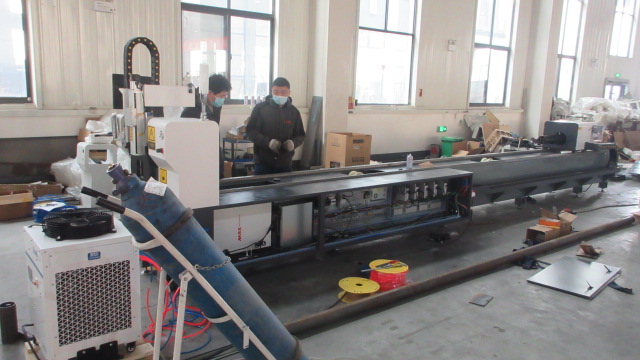
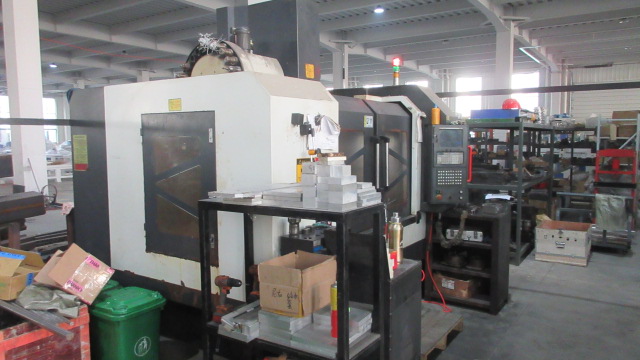
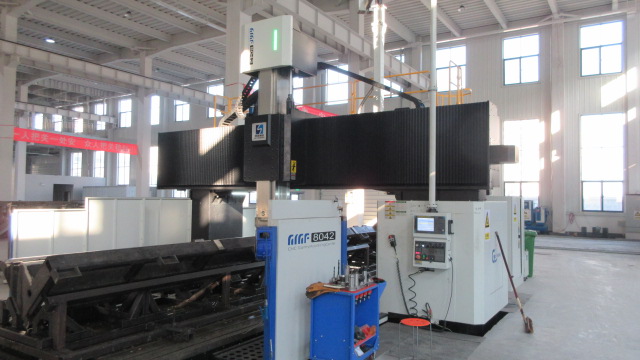
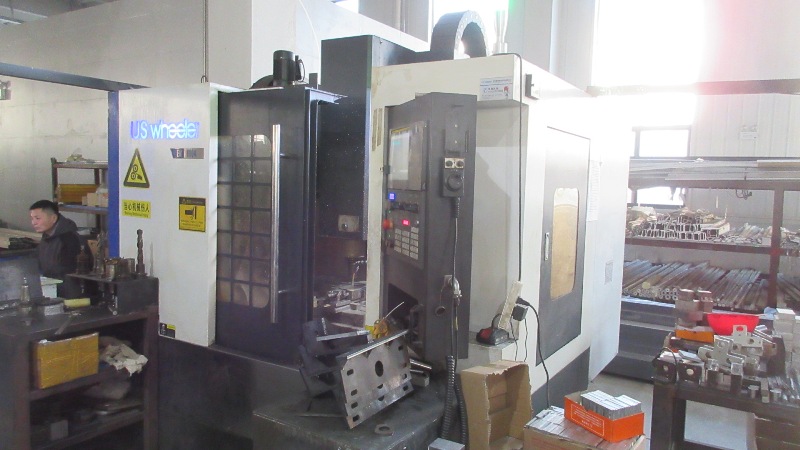
A deep dive into our advanced R&D facilities, mechanical production processes, quality controls, and assembly stages.
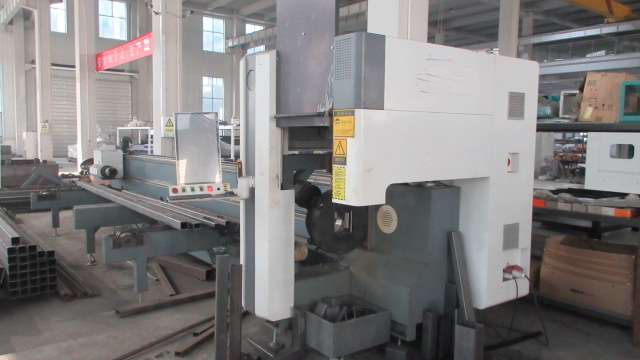
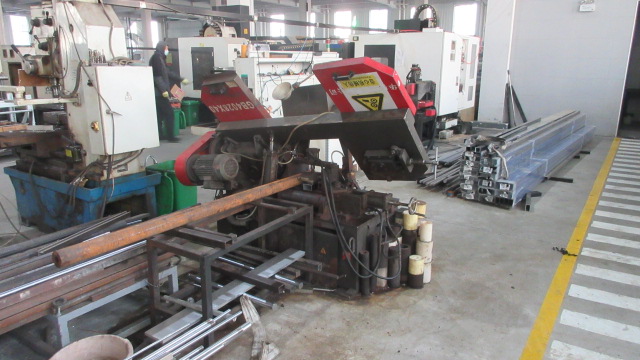
Founded in May 2010, Chengdu Jigsaw Machine Co., Ltd. is a high-tech enterprise specializing in the research and development, manufacturing, sales, and service of industrial sawing, cutting, and automation integration systems. Armed with years of expertise in mechanical engineering, precision structural design, and CNC automation, our company has steadily expanded to deliver high-performance laser integration systems. We provide cutting-edge solutions for global clients across various industrial sectors.
Operating from our modern facility spanning over 2,000 square meters, we integrate machining, assembly, inspection, and laser testing protocols. To guarantee durability and reliable performance, we manage key stages in-house. This includes heavy mechanical milling, grinding, wiring configuration, software installation, optical alignment, and thermal inspections. Backed by ISO9001 and CE certifications, all systems conform to strict international standards for safety and reliability.
Guided by our core values of "precision manufacturing and pursuit of excellence," we deliver high-performance, intelligent cutting and marking solutions. We integrate advanced fiber, UV, and CO2 laser engines with CNC machining platforms, providing global operators with reliable systems built on mechanical stability and optical precision.
By blending mechanical strength with modern optics, our equipment resists vibrations and maintains high beam pointing stability. This makes our machines exceptionally robust. As a result, they deliver high precision even under continuous, 24/7 industrial operating conditions.
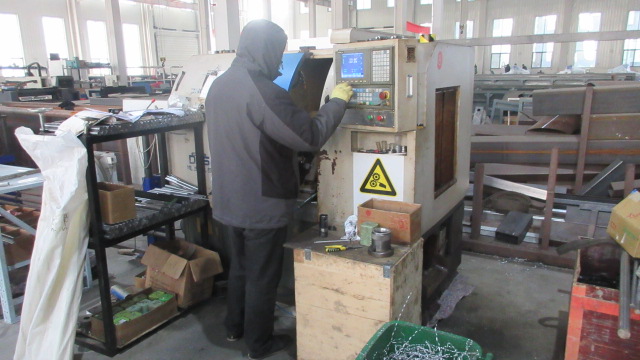
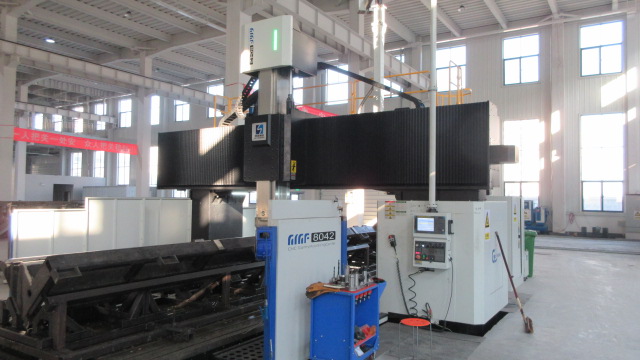
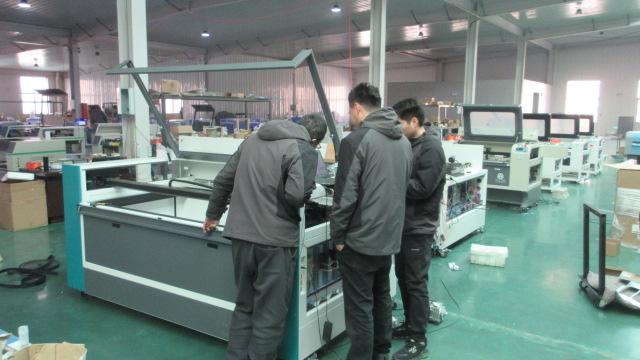
How our manufacturing processes ensure international standard compliance and deliver complete lifecycle field assistance.
Navigating safety compliance is critical when deploying high-power laser equipment in heavily regulated regions like Europe and North America. Every laser platform we manufacture undergo detailed diagnostic checks, starting with polarization checks, peak wavelength verification, and laser power stability audits. We configure protective optical enclosures to meet international standards (EN 60825-1), including active safety circuit linkages that cut power when safety doors are opened. This protects workers from harmful direct laser exposure and scattered radiation.
We work with trusted shipping partners to coordinate custom duties clearance and freight options worldwide. This ensures delivery to manufacturing sites in North America, Europe, Southeast Asia, and the Middle East. Each shipment includes secure packaging and dedicated documentation, including CE certifications, safety data sheets, and comprehensive calibration manuals.
For factory-direct buyers, operational support is essential for maintaining production line uptime. We offer step-by-step guidance. This covers pre-installation site preparation, technical documentation for optical alignment, and software training for engineers. We supply replacement parts, optical mirrors, and focus lenses to regional warehouses, preventing long lead times for repairs.
To assist your maintenance teams, we provide troubleshooting resources and diagnostics. We offer live video diagnostics, electrical schematic walk-throughs, and remote software updates. This direct support minimizes machine downtime, helping your factory keep processing lines running smoothly.
Addressing common technical queries, material matching decisions, and plant integration questions from procurement engineers.
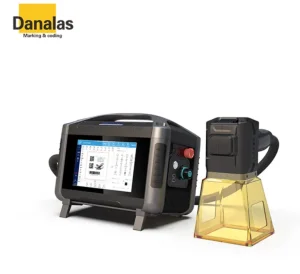
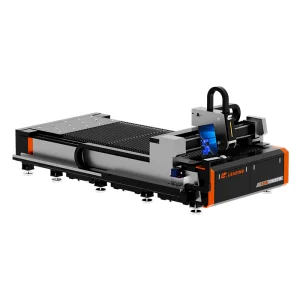
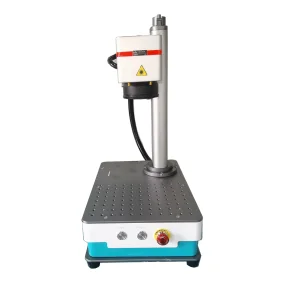
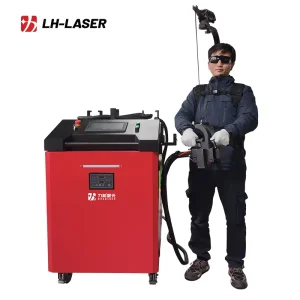
Explore our heavy-duty CNC systems, welding units, and continuous wave cleaning tools engineered to withstand the demands of intense industrial fabrication.
 Jigsaw Machine