Explore our state-of-the-art industrial laser devices configured with ultra-precise mechanical bases and optical modules.
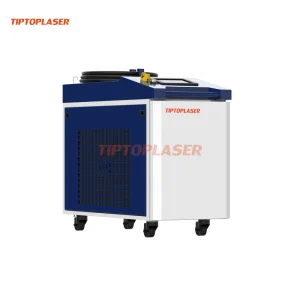
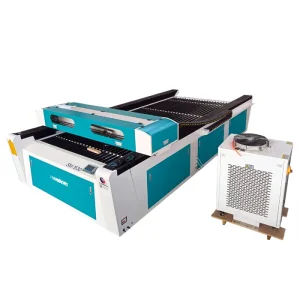
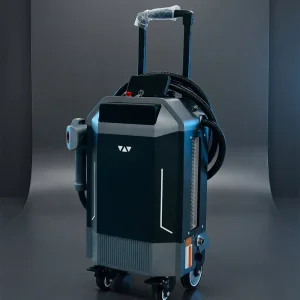
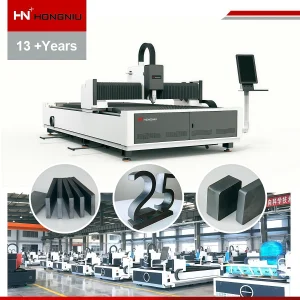
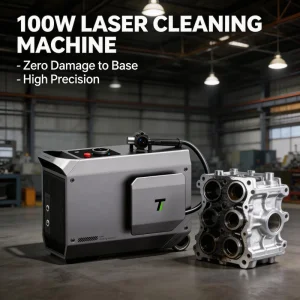
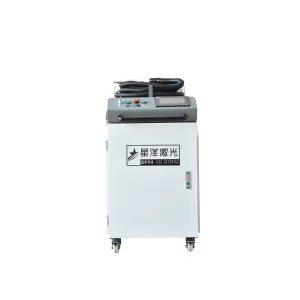
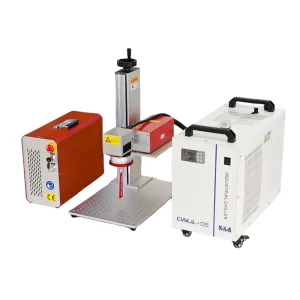

In the current era of advanced manufacturing, the global shift towards high-speed, automated, and micron-level precision processing has placed industrial lasers at the heart of major production lines. From automotive sheet metal fabrication to aerospace component assembly, and micro-electronics wafer dicing to heavy marine corrosion treatment, the efficiency of industrial lasers depends entirely on the design, material integrity, and alignment of their internal laser components. As an industry-leading manufacturer and exporter in China, we realize that delivering a laser device is not just about outputting wattage—it is about managing thermal drift, ensuring beam quality (M² factor), and maintaining structural mechanical stability under high duty-cycle operations.
Modern laser manufacturing relies on a complex assembly of optical, mechanical, electrical, and control modules. The optical train—comprising laser sources (fiber, CO2, UV, or ultra-fast green lasers), collimation optics, high-power galvanometer scanners, focusing f-theta lenses, and protective windows—must operate under extreme thermal conditions. Even a minor sub-micron deviation in optical alignment or a thermal lensing effect in the focusing lens can lead to focal shift, causing structural burrs on cut metals or thermal stress fractures on semiconductor chips. Hence, the selection of premium materials (such as imported fused silica, copper mirrors, and zinc selenide substrates) and the application of multi-layer anti-reflective dielectric coatings are crucial steps in manufacturing robust laser modules.
Furthermore, the integration of these optical components into heavy-duty industrial environments requires highly robust structural mechanical frames. The gantry motion platforms, CNC controller systems, and guide-rail mechanics must absorb the high accelerations of dynamic processing heads without translating vibrational harmonics back to the optical beam path. This synergetic design methodology—coupling micro-optics with macro-CNC mechanical engineering—is what sets the standard for high-end laser system exporters.
The structural rigidity and alignment precision of laser machinery are inherently dependent on high-grade mechanical processing techniques. Founded in May 2010, Chengdu Jigsaw Machine Co., Ltd. represents the pinnacle of high-tech manufacturing integration. Operating as an industry leader specializing in the research, development, assembly, and service of industrial sawing, milling, and precision cutting systems, the company provides the foundational engineering needed for complex CNC laser integration. Over more than a decade of development, Chengdu Jigsaw Machine has established a robust production base spanning over 2,000 square meters, equipped with state-of-the-art CNC machining, planing, milling, grinding, and testing platforms.
In laser manufacturing, the optical beam path must remain perfectly aligned relative to the moving material plane. Vibrations from high-speed linear motors or mechanical misalignments in the guide rails can easily degrade beam quality, leading to sub-optimal cutting, welding, or marking. Chengdu Jigsaw Machine Co., Ltd. resolves this by providing heavy-duty, stress-relieved gantry structures, CNC control interfaces, and custom automated feeding systems. Our facility’s ability to plane, mill, and grind structural metal components to tolerances within several microns ensures that when laser optical modules are mounted on these bases, the system operates with virtually zero mechanical deflection.
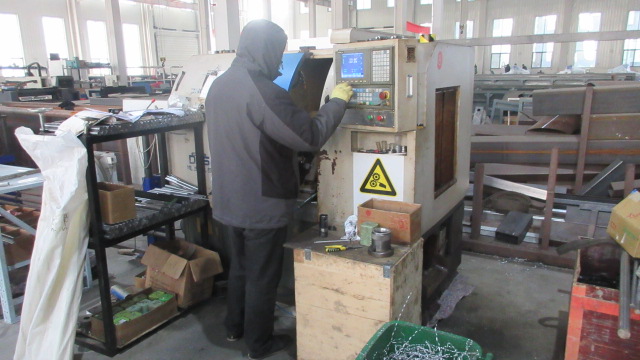
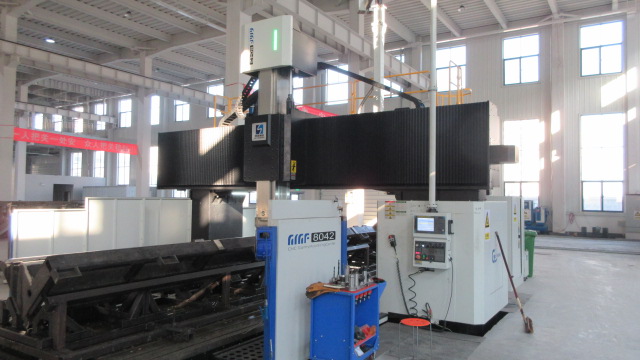
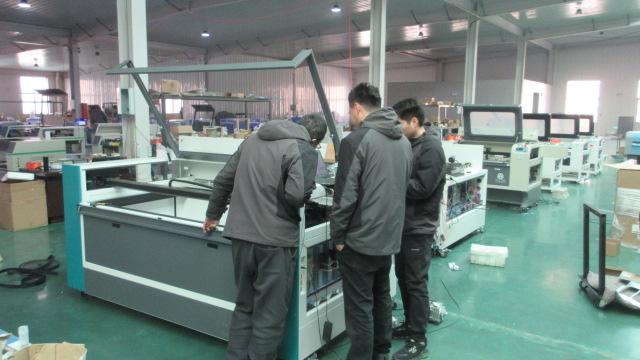
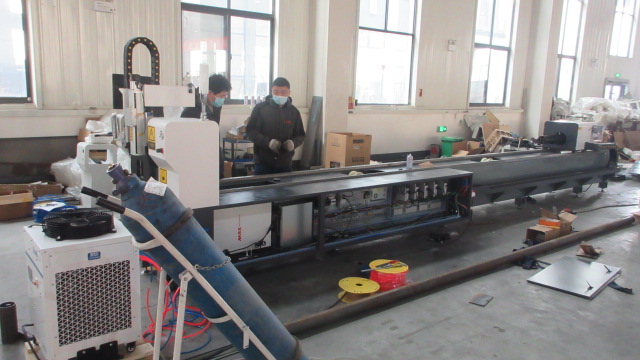
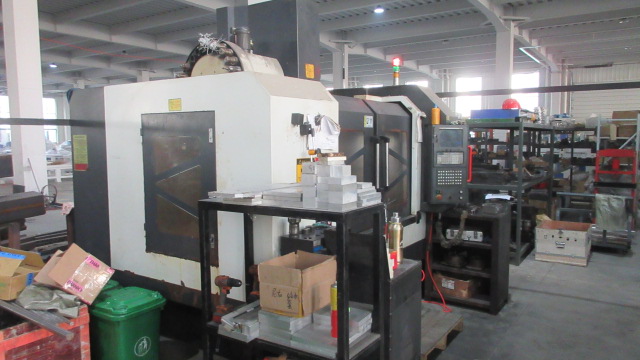
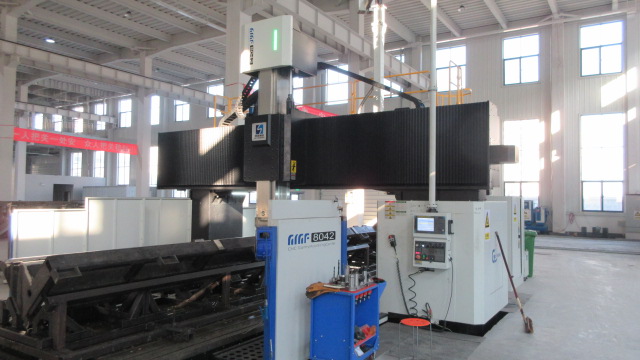


With ISO9001 and CE certifications, Chengdu Jigsaw Machine Co., Ltd. maintains a production philosophy oriented around "precision manufacturing and the pursuit of excellence." Integrating advanced CNC sawing systems, gantry-type heavy cutting machinery, and automated material handling interfaces with modern fiber laser heads allows us to offer global customers end-to-end, high-performance processing systems that cut downtime, extend consumable lifespans, and boost operating margins.
The rapid advancement of industrial laser systems is driving optical and laser components to shift from traditional macro-processing limits toward micro-processing and ultra-fast regimes. Key engineering directions on our technical roadmap include:
As laser processing systems cross the 10kW and 30kW thresholds for thick-plate steel cutting, optical components face intense thermal loads. To prevent thermal lensing—where a lens absorbs trace amounts of laser energy, causing its refractive index to change and shift the focal point—engineers are developing low-absorption quartz crystals, highly reflective water-cooled silicon mirrors, and advanced cooling jackets. Active gas-flow collimation is also being introduced to maintain constant focus stability over long operations.
Picosecond and femtosecond lasers are transforming precision processing. Because these ultra-short pulses deliver incredibly high peak power over quadrillions of a second, they remove material through "cold ablation" without generating heat-affected zones (HAZ). This demands ultra-fast optical coatings with high laser-induced damage thresholds (LIDT) and low dispersion profiles, preventing pulse stretching and ensuring clean material removal at the sub-micron scale.
Next-generation laser heads are evolving into smart IoT-enabled units. Real-time diagnostic sensors are embedded inside the collimator and focusing assemblies to monitor temperature, humidity, protective window contamination, and back-reflection levels. If back-scattered light threatens to damage a fiber laser diode during aluminum or copper processing, the intelligent system halts operation instantly, averting costly hardware failures.
To match high-frequency pulsed cleaning and welding demands, we are adopting digital galvanometer scanners that offer angular speeds over 12 m/s. Concurrently, diffractive optical elements (DOE) are utilized to shape standard Gaussian beams into flat-top, ring, or customized intensity profiles. Ring-shaped profiles distribute energy more evenly, reducing spatter in fiber laser welding by up to 90% and yielding highly stable welds.
China's industrial laser component sector has evolved from basic component sourcing into a fully integrated global supply hub. This complete vertical integration is a major reason why international enterprises source their core laser configurations from us. From raw optical crystal growth and precision substrate polishing to high-vacuum thin-film deposition, CNC mechanical housing machining, and final optoelectronic assembly, every stage of the manufacturing chain is closely linked.
This concentration of supply chain resources offers significant benefits:
By partnering with Chengdu Jigsaw Machine Co., Ltd. for structural bases and automated material handling, we ensure our global clients receive high-reliability laser systems built to survive transit and execute operations in demanding environments.
Industrial laser systems must be tailored to their specific working conditions. Here is how our specialized configurations solve real-world problems in localized industrial sites:
Automotive assembly plants require high reliability and high speeds. The integration of 3-in-1 handheld fiber systems or automated robotic laser welding heads allows manufacturers to join aluminum alloy frames and high-strength steels with minimal deformation. The precise alignment of the laser optical head ensures deep weld penetration and high tensile strength, reducing post-weld structural clean-up and increasing overall vehicle structural safety.
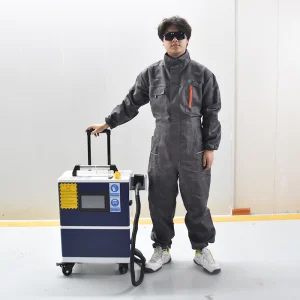
Marine structures, bridges, and oil pipelines endure severe corrosion from salt spray and humidity. Traditional sandblasting is noisy, messy, and environmentally harmful. Our 1500W to 3000W continuous wave and pulsed laser cleaning systems offer a clean alternative. By adjusting focal distances and scan widths, operators can strip thick rust, old marine paint, and oxide layers down to bare metal without damaging the underlying steel substrate, facilitating quick re-coating and structural inspections.
Traceability is critical in semiconductor and pharmaceutical production. High-intensity UV laser marking systems (3W to 15W) use short 355nm wavelengths to execute "cold marking." This process directly breaks molecular bonds inside plastics, glass, or ceramics without creating heat zones. This ensures high-contrast QR codes, barcodes, and serial numbers remain legible on pill bottles, PCB boards, or delicate glass containers without micro-cracking the surrounding material.
Safety and compliance are essential when deploying high-power laser equipment. Our entire design, sourcing, and assembly process is aligned with international quality standards. We hold active ISO 9001:2015 certifications for our quality management workflow and CE declarations for all optical, electrical, and mechanical assemblies, ensuring our systems comply with EU safety, health, and environmental requirements.
Our global export framework is supported by a comprehensive service network:
Get answers to the most common technical questions about choosing, installing, and maintaining laser components.
Pulsed lasers emit light in short bursts of high energy. This makes them ideal for delicate substrates like aluminum, wood, or thin sheet metals because the high peak power vaporizes contaminants (rust, oil, paint) with very little heat buildup, protecting the base metal.
Continuous Wave (CW) lasers emit a steady, continuous beam. They offer higher average power at a lower cost per watt, making them suited for large-scale rust removal on thick carbon steel plates (such as ship hulls or heavy structural beams) where high speed is required and minor thermal stress to the metal is acceptable.
Laser beams travel along precise, highly aligned optical paths. If the mechanical bed or gantry vibrates during high-speed moves, that vibration causes beam deviation, resulting in rough cuts, wavy marking, or weak welds. Chengdu Jigsaw Machine Co., Ltd. uses precision planing, milling, grinding, and stress-relieved metal structures to minimize vibration. This ensures the optical components remain perfectly aligned, delivering clean cuts and consistent welds even during rapid accelerations.
Protective windows usually fail due to contamination from metal spatter, cutting dust, or oil film from the assist gas. Once a tiny particle settles on the window, it absorbs the high-power laser energy, heats up, and fractures the glass. To prevent this: 1) Ensure you use clean, dry assist gases (nitrogen or compressed air filtered to Class 1 levels); 2) Maintain clean-room standards when changing optics; 3) Regularly check the window for spot defects; 4) Use smart laser heads fitted with temperature and scatter-light sensors for early warning.
JPT and Huaray UV laser sources emit light at a short 355nm wavelength. This short wavelength has high photon energy, allowing it to perform "cold marking" by breaking chemical bonds directly rather than melting the material. This cold process prevents thermal damage and micro-cracking, making it ideal for marking medical plastics, glass bottles, and delicate electronics where clean, permanent, high-contrast marks are required without weakening the product.
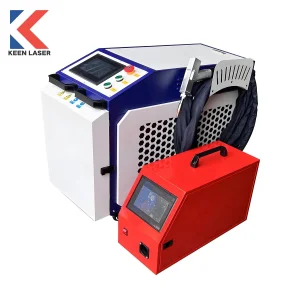
Handheld multi-functional laser machines combine welding, cleaning, cutting, and weld-seam cleaning in a single system. Users can switch modes simply by changing the nozzle tip and selecting the corresponding preset on the controller screen. This versatility saves shop space, reduces equipment costs, and streamlines workflows for metal fabrication shops that handle small-batch custom work involving stainless steel, carbon steel, and aluminum.
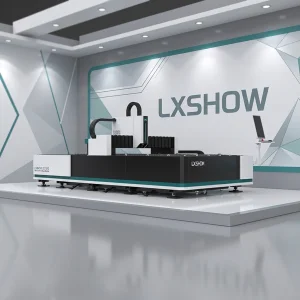
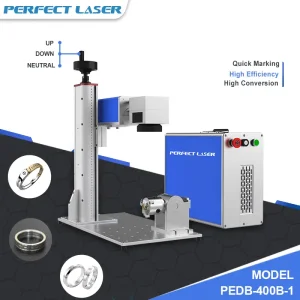
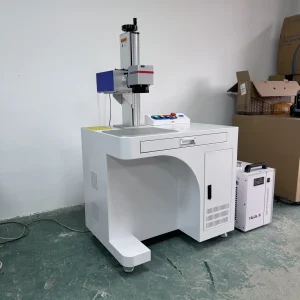
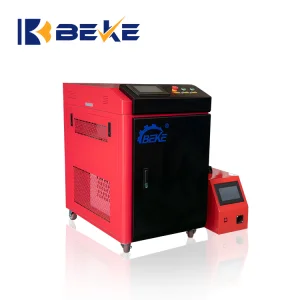
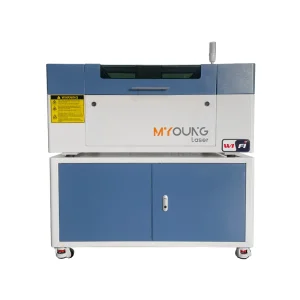
High-power CNC cutting systems, handheld fiber units, and enclosed marking enclosures configured for international exports.

 Jigsaw Machine