Engineered for absolute accuracy, high throughput, and seamless automation in modern smart factories.
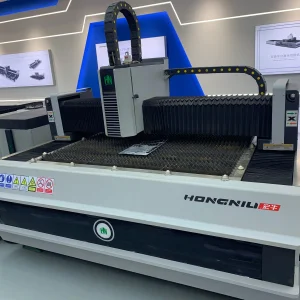
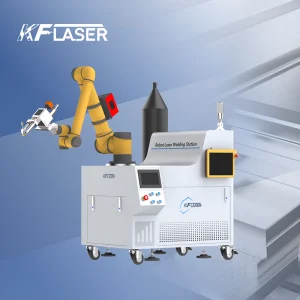
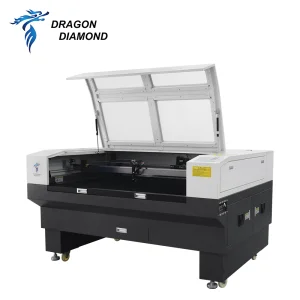
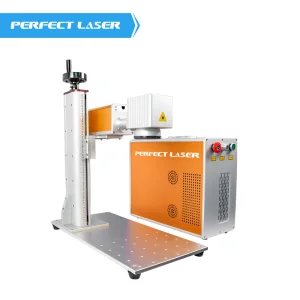
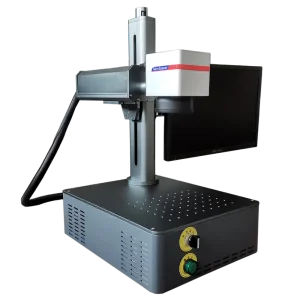
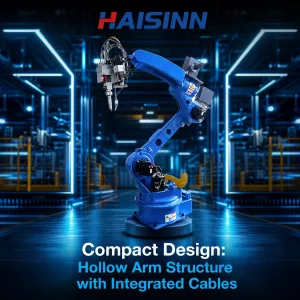
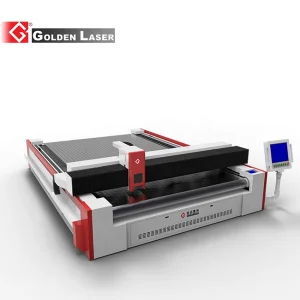
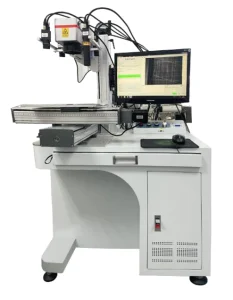
In modern manufacturing, traceability is no longer just a regulatory requirement; it is a critical asset for supply chain management, quality assurance, and brand protection. As production lines transition to Industry 4.0 paradigms, static marking systems are rapidly being replaced by CE Certified Robotic Laser Marking Systems. By mounting high-speed fiber, UV, or CO2 laser markers onto flexible, multi-axis robotic arms, manufacturers can achieve dynamic, non-contact marking on complex three-dimensional geometries.
This whitepaper provides an in-depth analysis of the robotic laser marking landscape, detailing how Chengdu Jigsaw Machine Co., Ltd. leverages its extensive background in CNC machining and industrial automation to deliver advanced, compliant, and highly efficient laser marking systems.
Modern manufacturing lines are highly dynamic, requiring machinery that can adapt to variable part geometries, changing production speeds, and diverse material compositions. A robotic laser marking system addresses these demands by combining multi-degree-of-freedom robotic articulators with state-of-the-art galvo-scanning laser heads. Below are the macro-level solutions provided by these advanced systems:
Marking directly onto engine blocks, transmission gears, and chassis panels. High-power fiber lasers etch deep VIN numbers and 2D DataMatrix codes designed to survive post-process treatments like heat therapy, shot peening, and e-coating.
Non-destructive, stress-free marking is critical. Systems utilizing high-contrast UV lasers apply permanent identification marks to critical aircraft turbines and hydraulic lines without altering the material's structural integrity or micro-structure.
Integrated vision systems automatically locate and adjust toolpaths to engrave micro QR codes on delicate PCB substrates, aluminum shielding, and microchips. This level of precision prevents damage to internal copper traces.
Moreover, in the medical device sector, these systems are vital for meeting unique device identification (UDI) regulations. The laser-marked code must withstand repeated sterilization cycles without corroding or fading, requiring highly stable beam parameters and exact pulse durations.
The global industrial sector is undergoing a massive shift toward automated material handling. Driven by labor shortages, rising wages, and the push for zero-defect production, manufacturers in the Americas, Europe, and Asia-Pacific are rapidly deploying integrated robotic stations.
Recent market studies show that the integration of 6-axis cobots (collaborative robots) and industrial robots with fiber laser markers reduces cycle times by up to 45% compared to static, manually loaded stations. Because a robot can manipulate the marking head around a stationary heavy part (such as a structural casting), there is no need for complex, heavy tooling to rotate the part itself. This drastically lowers capital expenditure on fixtures and reduces overall footprint requirements on the factory floor.
Robotic marking cells are not standalone stations. They function as active nodes within the factory network. Utilizing communication protocols like OPC UA, Profinet, and EtherNet/IP, the system retrieves variable serialization data directly from the Manufacturing Execution System (MES) and confirms successful mark execution by feeding optical character verification (OCV) data back to the central server.
Founded in May 2010, Chengdu Jigsaw Machine Co., Ltd. has established itself as a high-tech enterprise specializing in the research, development, manufacturing, sales, and service of industrial sawing, cutting, and automation equipment. Over the past 14 years, our deep expertise in high-precision cutting machinery has naturally evolved into state-of-the-art industrial laser integration.
Operating out of a modern facility covering more than 2,000 square meters, the company utilizes advanced machining, assembly, and testing systems to guarantee mechanical reliability. Every robotic arm mounting plate, custom laser enclosure, and automatic fixture we produce undergoes rigorous testing to ensure zero structural resonance during high-acceleration marking paths.
By obtaining the ISO9001 international quality management system certification and European CE certification, Chengdu Jigsaw Machine Co., Ltd. ensures that all integrated robotic systems comply with strict international standards for quality, safety, and performance.
Safety is the single most important parameter when deploying industrial lasers into production cells. A standard laser marker operates as a Class 4 laser system, emitting high-energy light that can cause permanent eye damage and skin burns instantly.
Our systems are fully CE Certified, complying with the following European Directives and safety standards:
Because we supply equipment globally, our systems are optimized for localized operating conditions, electrical regulations, and environmental demands:
Complies with OSHA and UL electrical codes. Integrated with heavy-duty robotic platforms (like Fanuc and Yaskawa), running on standard 480V 3-phase power, with heavy industrial light curtains and lock-out tag-out interfaces.
Fully compliant with CE and RoHS. Emphasizes energy efficiency, featuring smart stand-by modes, active laser fume extraction filtration units complying with EN 1093, and seamless integration with PROFINET-enabled PLCs.
Built to operate continuously in high-temperature, high-humidity environments. Features active dust prevention enclosures, dual-cycle industrial water chillers, and localized technical training support networks.
Choosing the right laser source is critical for achieving optimal contrast, minimizing cycle time, and protecting the material substrate.
| Laser Source Type | Wavelength | Primary Target Materials | Typical Industrial Applications |
|---|---|---|---|
| Fiber Laser | 1064 nm | Stainless Steel, Carbon Steel, Aluminum, Brass, Hard Plastics | Chassis engraving, tools, component serial plates, metal extrusion codes. |
| CO2 Laser | 10.6 μm | Wood, Acrylic, Glass, Paper, Rubbers, Textiles, Composites | Packaging date codes, organic polymer etching, structural composite marking. |
| UV (Ultraviolet) Laser | 355 nm | Delicate Plastics, Silicon Wafers, Medical Polymers, Glass | Damage-free micro-marking, medical device UDI marking, semiconductor coding. |
| Green Laser | 532 nm | Highly Reflective Metals (Gold, Silver, Copper), Soft Plastics | Electrical micro-contacts, jewelry customization, thin-film etching. |
The future of robotic laser marking lies in self-correcting automation. Traditional robotic marking requires the workpiece to be positioned precisely in a pre-programmed jig. Any positional deviation can lead to misaligned marks or distorted geometry.
Our next-generation systems integrate AI-Powered Vision Systems. An industrial-grade camera is mounted coaxially with the laser path (through-the-lens) or directly onto the robot arm. The camera captures the workpiece's live position, and the AI algorithm automatically adjusts the laser's mirror positioning and the robot's coordinates in real time. This ensures absolute precision even if parts are placed randomly on a conveyor belt.
Additionally, 3D Dynamic Focusing technology is standard on our premium lines. It continuously adjusts the focal depth as the laser moves across inclined, curved, or stepped surfaces, keeping the spot size consistent and maintaining marking contrast across the entire surface.
A high-performance laser marking system is only as good as the machine tools that manufacture it. Chengdu Jigsaw Machine Co., Ltd. invests heavily in in-house precision processing machinery, ensuring that all structural components, bases, and mechanical interfaces are built to micrometric tolerances.
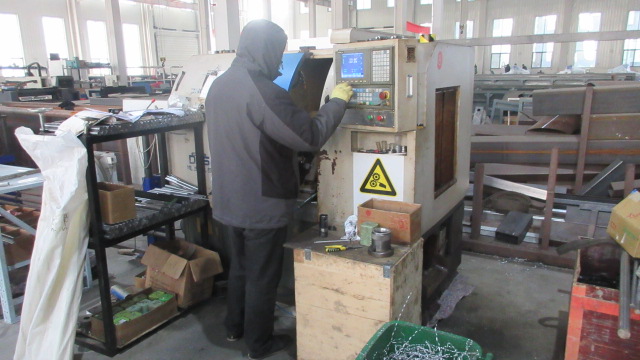
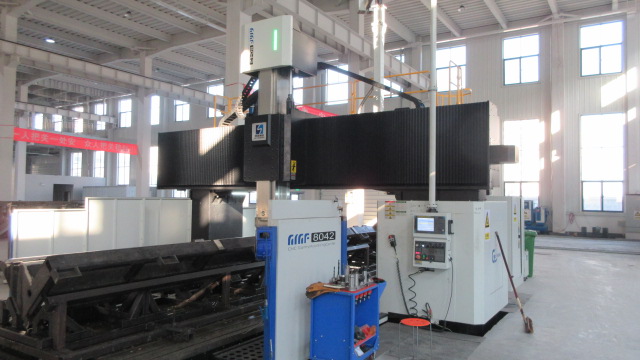
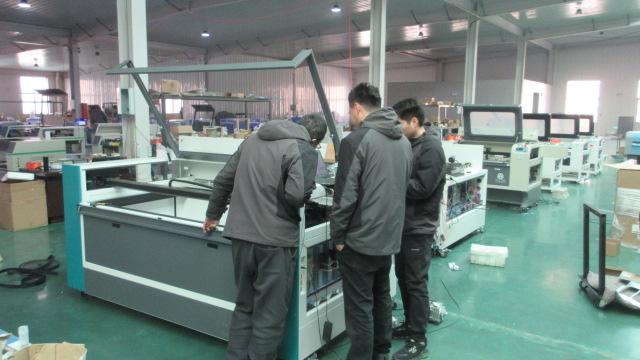
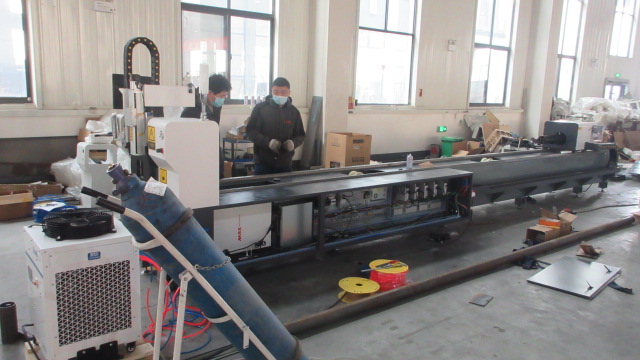
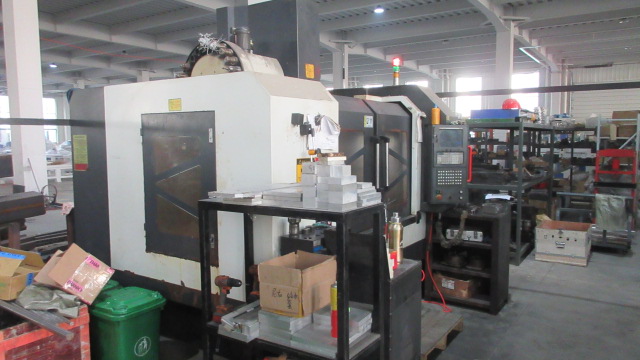
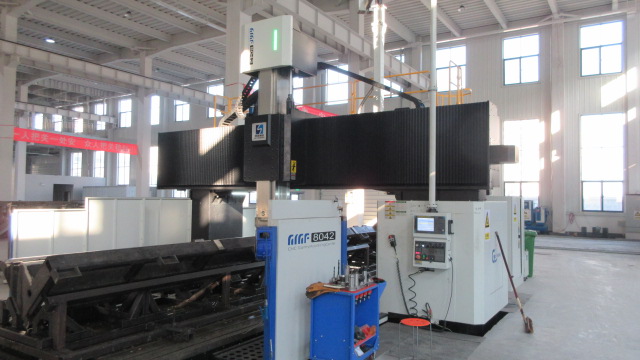
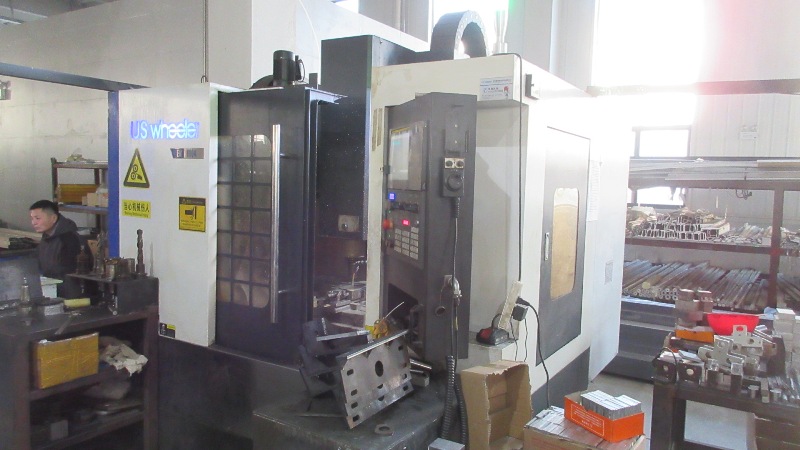
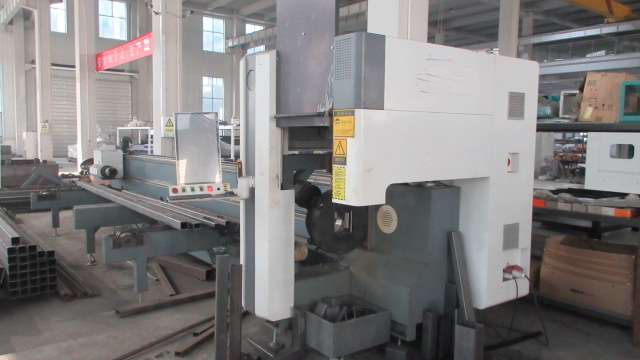
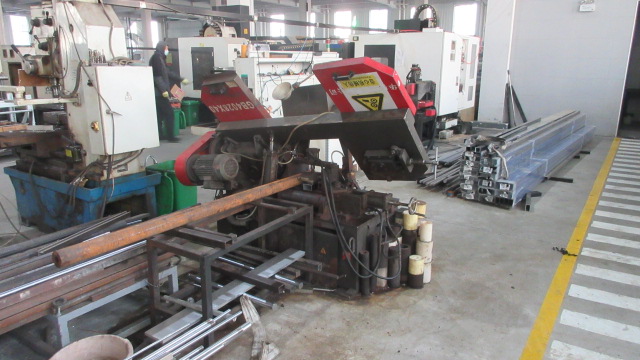
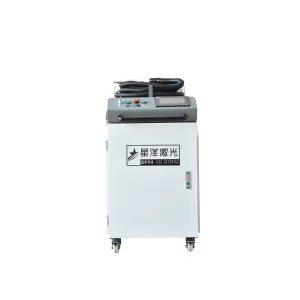
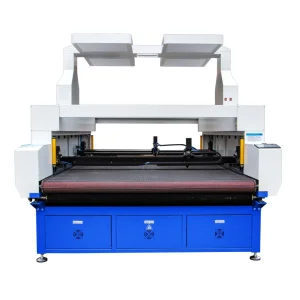
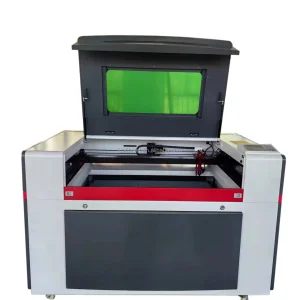
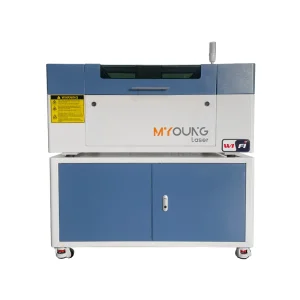
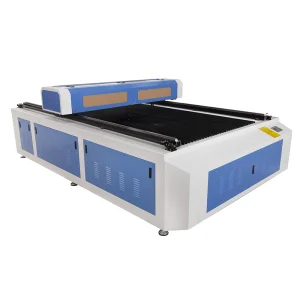
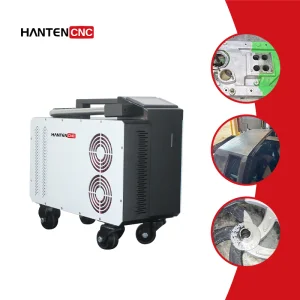
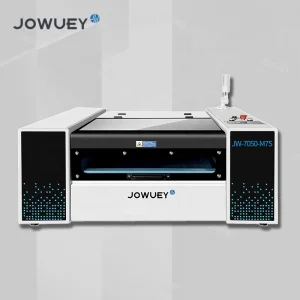
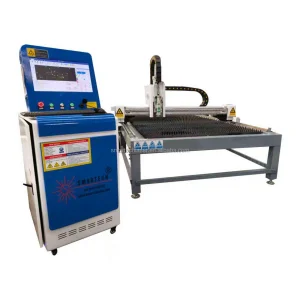
Explore our diverse selection of industrial laser cleaners, fabric cutters, desktop markers, and heavy-duty fabrication tools.
 Jigsaw Machine