INDUSTRIE 4.0 INTEGRATION

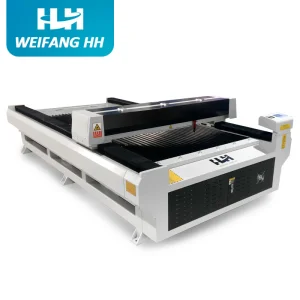
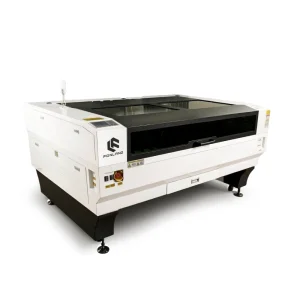
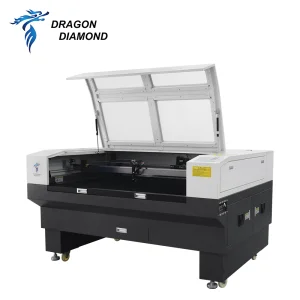
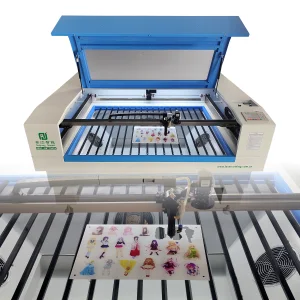
CO2 Laser Cutting Machine Factory & Exporter for the German Market

Precision Engineering, Premium Optical Performance, and Resilient Global Supply Chains Customized for Germany’s Industrial Standard

Send Inquiry Now
GERMAN MARKET ANALYSIS

Germany’s Modern Industrial Demands & Laser Technology

Germany represents the industrial backbone of Europe, where the integration of **Industrie 4.0** principles demands machinery that is not only highly precise but also seamlessly networkable and energy-efficient. As traditional mechanical processing reaches its physical limits in terms of speed and tool wear, **CO2 Laser Cutting Technologies** have surfaced as an indispensable standard across German small and medium-sized enterprises (the *Mittelstand*) and heavy manufacturing complexes alike.

From the automotive manufacturing clusters in Baden-Württemberg and Bavaria to the specialized medical equipment hubs in Tuttlingen, German engineers prioritize systems with **high repetition accuracy, thermal stability, and low cost of ownership**. Laser processing eliminates physical tool contact, thereby safeguarding sensitive workpieces from deformation and removing secondary refinement steps from the production line.
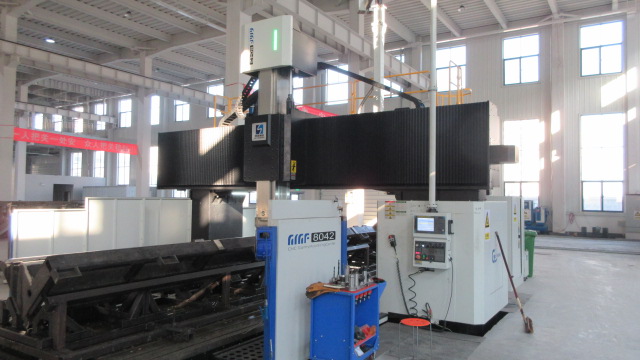
German Manufacturing Priorities

  • Compliance & Safety: Demands for strict DIN standard electrical designs and CE certification.
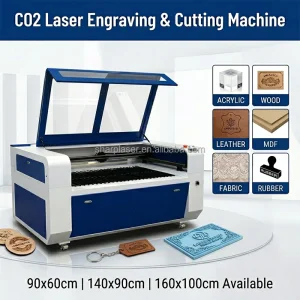
  • Material Versatility: Flawless cutting edge quality across PMMA, technical wood composites, engineered leather, and automotive gaskets.
  • Energy Efficiency: Reduced carbon emissions through optimized RF-excited laser tubes and efficient exhaust controls.

Global Sourcing Standards & Local Application Scenarios

How CO2 lasers bridge high production yields with demanding custom specifications globally and in Germany.

In today's globalized economy, purchasing departments must secure hardware that meets international safety codes while offering competitive productivity rates. A significant trend in the global laser market is the deployment of **hybrid cutting setups** and visual-recognition camera technologies (like **CCD registration systems**) that allow machines to dynamically compensate for orientation deviations during textile or acrylic processing.

< 0.01mm
Repositioning Precision
20,000h
RF Metal Laser Tube Lifespan
35%
Energy Consumption Reduction
100%
CE & ISO 9001 Compliant

Primary Local Industrial Applications in Germany

Automotive Interior & Seals

High-precision cutting of custom dashboard materials, polymer insulation gaskets, and high-strength rubber seals for luxury automobile manufacturing lines in Munich, Stuttgart, and Wolfsburg.

Architectural Models & Signage

Delivering flame-polished edges directly from the machine bed on thick PMMA sheets for structural signage, corporate displays, and high-fidelity scale architectural models in Frankfurt and Hamburg.

Technical Textiles & Filtration

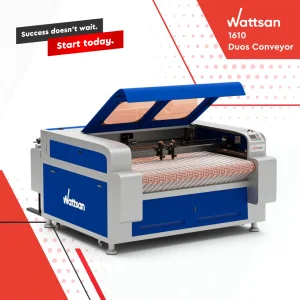
Automated conveyor setups optimized for synthetic fabric processing. Melts the raw edges of filters and insulation components during the cutting process to guarantee zero fraying.

China Factory 4.0: Supply Chain Resilience & Cost-Efficiency

Integrating precision craftsmanship with unparalleled manufacturing agility for European procurement teams.

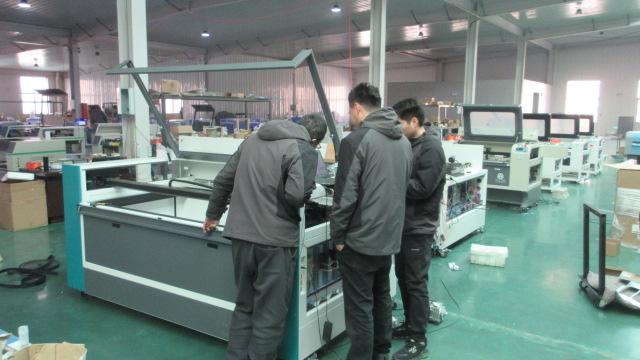
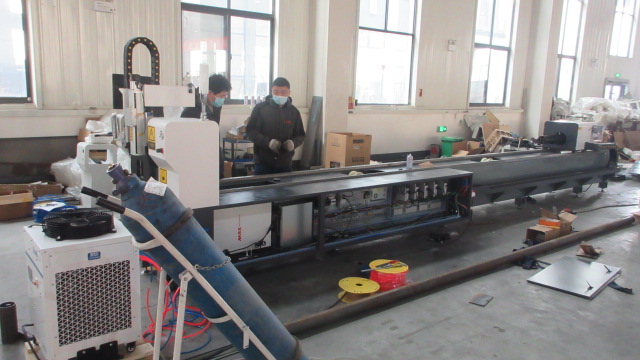
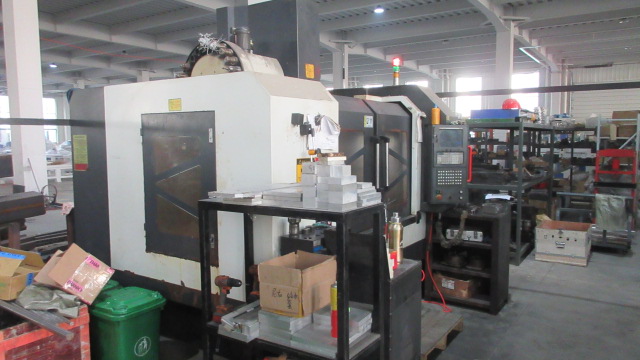
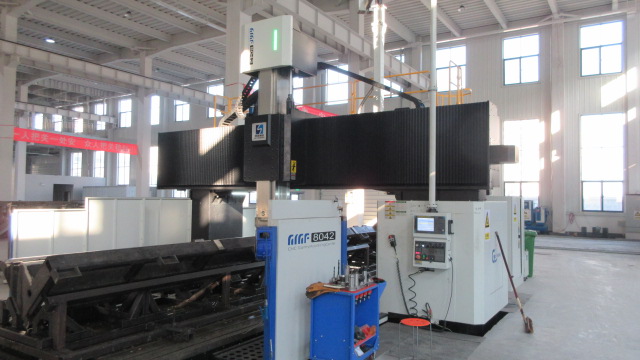
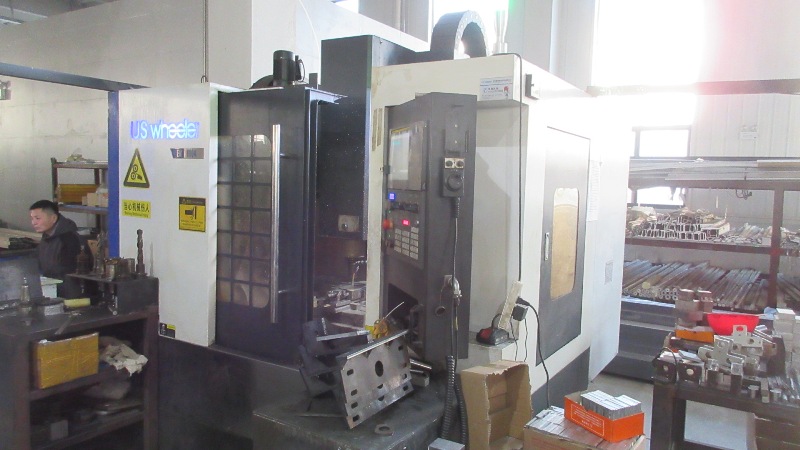
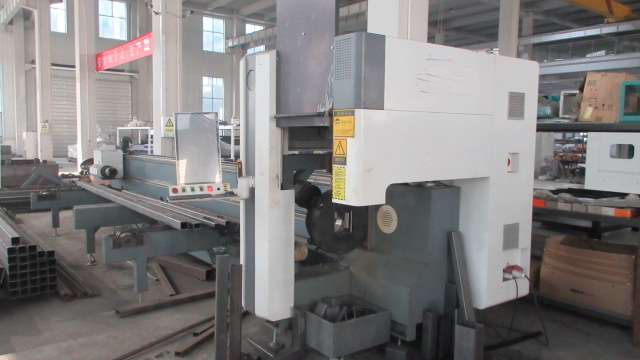
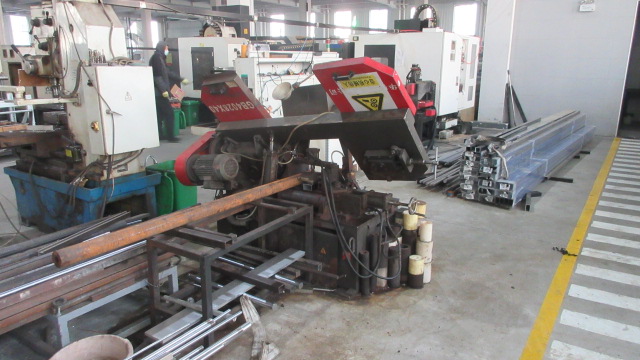
A primary challenge for German procurement directors sourcing industrial equipment overseas is maintaining quality standards while optimizing capital expenditure. The development of **China Factory 4.0** frameworks has fundamentally bridged this gap. At **Chengdu Jigsaw Machine Co., Ltd.**, our vertically integrated manufacturing facility implements strict, computerized quality controls and CNC tooling workflows that mirror the highest European expectations.

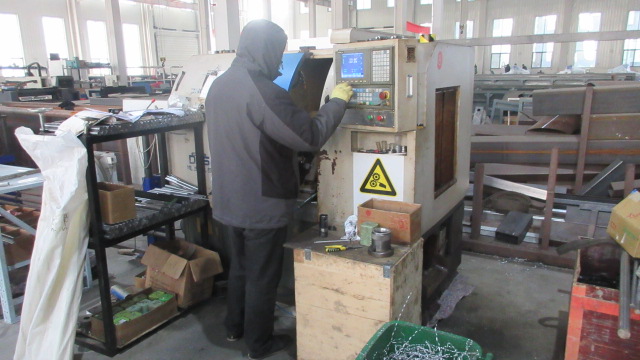
By producing our machine structural frames, performing advanced mechanical stress-relief processes, and grinding mounting guides in-house, we eliminate reliance on third-party fabricators. This unified supply chain ensures that every system shipped to Germany operates with the same micron-level accuracy from day one through years of double-shift usage. Our strategic alliances with global optical supplier giants and electronics brands ensure immediate component availability worldwide.

Information Gain Metric: While traditional vendors focus merely on wattage specifications, our engineering team optimizes beam quality (M² factor < 1.1) and collimation tolerances. This yields a 22% narrower kerf width, which translates into less material wastage and cleaner edges on complex geometries.

Company Profile & Industrial Capacity

Chengdu Jigsaw Machine Co., Ltd. — Your trusted partner in high-tech material processing since 2010.

Founded in May 2010, **Chengdu Jigsaw Machine Co., Ltd.** is a high-tech enterprise specializing in the research and development, manufacturing, sales, and service of industrial sawing and cutting equipment. With years of experience in the field of cutting machinery and industrial automation, the company is committed to providing efficient, reliable, and intelligent cutting solutions for global customers across a wide range of industries.

The company’s main product portfolio includes handheld jigsaw machines, industrial reciprocating saws, CNC sawing and cutting systems, automated cutting production lines, gantry-type heavy-duty cutting machines, tube and profile cutting equipment, as well as intelligent feeding systems and customized automation solutions. These products are widely used in woodworking, metal fabrication, construction, furniture manufacturing, and general industrial processing.

Chengdu Jigsaw Machine Co., Ltd. operates a modern production facility covering over 2,000 square meters, equipped with advanced machining, assembly, and testing systems. The company has established a strong domestic and international distribution network, with partners and agents in multiple countries and regions, enabling timely technical support and comprehensive after-sales service for customers worldwide.

Since its establishment, the company has continuously focused on innovation and resource integration in R&D, manufacturing, and application development. It has obtained **ISO9001** international quality management system certification and **CE** certification, ensuring that all products meet strict international standards for quality, safety, and performance.

Rigorous Factory Quality Assurance & Processing Workflow

Industrial Whitepaper: Implementing CO2 Laser Technology in Modern European Assembly Lines

An authoritative analysis on optical transmission, gas cooling dynamics, and structural resonance attenuation.

1. Principles of Waveguide Resonance and Gas Concentration in CO2 Lasers

Industrial CO2 laser sources function by utilizing a gas mixture (typically carbon dioxide, nitrogen, and helium) excited by a radio frequency (RF) electrical field or a high-voltage direct current (DC) discharge. The wavelength produced, typically centered at 10.6 micrometers, interacts exceptionally well with organic molecules, plastics, polymers, wood, and glass. For the German processing landscape—specifically high-precision model creation and component marking—maintaining the TEM00 transverse electromagnetic mode is critical. A pure Gaussian profile guarantees that the laser beam can be focused down to the smallest possible spot size, resulting in a minimized heat-affected zone (HAZ) and minimal thermal degradation of the material edges.

2. Thermal Management and Dynamic Cooling Circuits

In standard manufacturing operations, CO2 laser efficiency peaks at roughly 10% to 15% electrical-to-optical conversion. The remaining input energy is dissipated as heat, requiring a robust, closed-loop industrial refrigeration unit. In climates such as Western and Northern Germany, chiller units must adapt to fluctuating ambient temperatures without creating condensation inside the optical chamber. Our CNC water-cooled assemblies utilize integrated microprocessors that maintain temperature variations within ±0.1°C of target values. Furthermore, pressure sensors automatically stop power transmission to the laser tube if fluid blockages or pressure drops are detected, shielding the high-value optical cavity from catastrophic thermal shock.

3. Motion Control Systems: Servo Motors vs. Micro-Stepping Drive Controls

While standard cutting setups rely on simple micro-stepping systems, complex fabrication lines require closed-loop AC servo motors coupled with high-grade planetary gearboxes. This engineering combination allows for acceleration curves up to 2G, reducing cycle times by as much as 40% on complex geometries. The linear guides must be securely fastened to a stress-relieved steel gantry framework. Frame stress-relief is achieved via thermal annealing, which involves baking the welded structures at 600°C before final machining. This step ensures that no structural distortions develop over time, guaranteeing consistent micron-level positioning precision across years of round-the-clock factory operations.

4. Exhaust Management and EU Environmental Safety Standards

Processing organic polymers like PMMA, wood composites, and leather releases volatile organic compounds (VOCs) and fine particulate matter. In compliance with European safety regulations (such as DIN EN ISO 11553-1), laser installations must include structured exhaust ducts and integrated carbon filtration solutions. Our machine enclosures feature dual-zone downdraft tables that automatically redirect vacuum force directly under the active cutting head. This approach prevents hazardous smoke accumulation inside the cabinet, keeps the protective focus lens clean from soot, and maintains a clean, safe workspace for shop technicians.

Frequently Asked Questions (FAQ)

Detailed answers on technology selection, logistics, certifications, and service structures for German buyers.

What certifications are required to operate these CO2 laser cutting machines in Germany?
To operate industrial lasers legally within the EU, machinery must carry the CE marking, proving compliance with the Machinery Directive (2006/42/EC), Low Voltage Directive (2014/35/EU), and EMC Directive (2014/30/EU). Our machines are manufactured with CE-certified optics, power supplies, and interlock systems to meet these requirements.
How does the factory manage shipping, customs clearance, and delivery to Germany?
We provide comprehensive transport solutions under CIF, DDU, or DDP terms. Equipment is packed in multi-layered, vacuum-sealed barrier foil and robust, heavy-duty wooden crates to protect the optics and frame from moisture and vibration during sea or rail transport.
What is the lifespan difference between glass CO2 laser tubes and RF metal tubes?
Water-cooled DC glass laser tubes generally offer a runtime of 8,000 to 10,000 operating hours before needing replacement. In contrast, RF metal tubes run for 20,000+ hours and can be refilled with gas, while producing a smaller, more consistent focal spot ideal for intricate engraving.
Can these laser cutting systems handle metallic sheets along with organic materials?
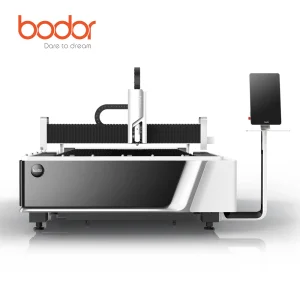
Yes, specialized models, such as our high-power hybrid units or fiber systems, are designed with specialized cutting heads and oxygen assist gas systems. These enable clean cuts on carbon steel, stainless steel, and aluminum alongside non-metal materials.
How does Chengdu Jigsaw Machine Co., Ltd. coordinate remote technical support?
We offer 24/7 online technical support, video diagnostics, and direct software updates. For critical industrial lines in Europe, we work with localized partners who can quickly supply replacement parts and perform onsite calibration or repair work.

Ready to Optimize Your Production Output?

Get in touch with our engineering team for custom laser layouts, compliance documentation, and price quotes.

Send Inquiry Now