High-efficiency, certified machinery engineered for heavy-duty shipbuilding, automotive, metal fabrication, and precise marking applications.
The critical role of high-power laser processing in modern manufacturing ecosystems
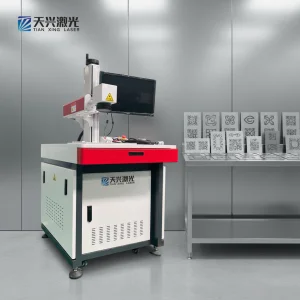
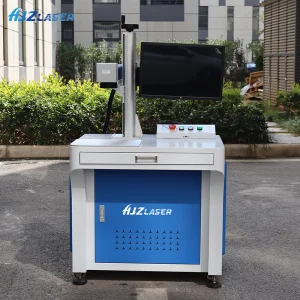
In the contemporary landscape of global industrial manufacturing, the demand for precise, ultra-fast, and cost-effective fabrication techniques has positioned custom laser cutting services at the heart of the supply chain. Across sectors ranging from automotive and aerospace to electronics and heavy structural steel construction, advanced thermal manufacturing technologies have transitioned from optional machinery to core production infrastructure. The integration of high-power fiber lasers, high-precision UV markers, and handheld pulse lasers has fundamentally restructured how raw components are converted into finished assets.
As international corporations aim to compress production cycles while maintaining zero-defect tolerances, the reliance on top-tier manufacturing hubs has intensified. High-capacity gantry structures and automated cutting systems are replacing traditional mechanical sawing tools, reducing material waste and removing the necessity for secondary edge finishing. Today’s industrial landscape demands providers who can couple deep material expertise with high-volume, reliable factory configurations.
Utilizing narrow kerf widths and low heat-affected zones (HAZ) to guarantee dimensional accuracy across complex geometries.
Continuous production runs empowered by fully automated fiber laser cutting matrices up to 30,000 Watts.
Seamlessly processing structural carbon steels, stainless steel, non-ferrous metals, engineered plastics, and specialized glass composites.
Deciphering fiber, pulse, and ultraviolet wave interactions with modern substrates
Understanding the distinction between various laser modalities is essential for procurement managers looking to source custom cutting services. Industrial systems leverage specific electromagnetic wavelengths to achieve target thermal reactions. For instance, Fiber Lasers operating at 1,064 nm exhibit superior absorption profiles in metals, making them ideal for cutting and heavy engraving. Conversely, UV Lasers operating at 355 nm are defined as "cold processing" tools. Their short wavelength disrupts atomic bonds within non-metallic materials without generating destructive thermal fields, yielding hyper-precise marks on glass and sensitive polymers without micro-cracking.
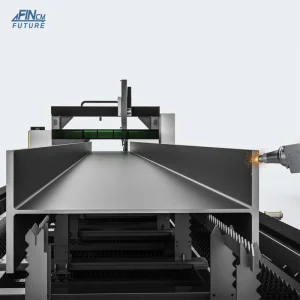
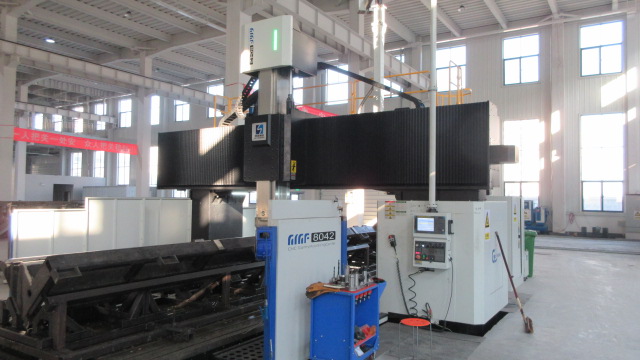
In structural applications, systems like 3D Fiber Laser Cutting machines with power ratings from 12kW up to 30kW allow multi-axis processing of structural elements such as H-beams, angle channels, and thick plate configurations. By executing beveling, hole-drilling, and cut-offs in a single stage, manufacturing operations eliminate structural bottlenecks and minimize human alignment errors.
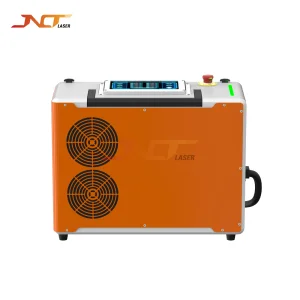
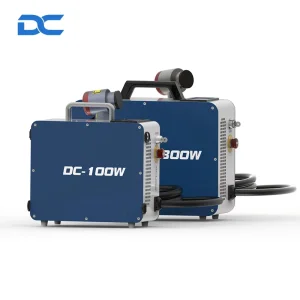
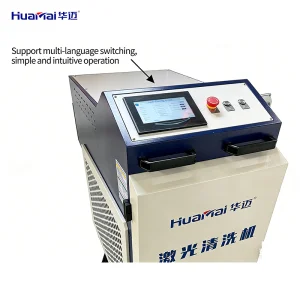
Additionally, handheld and portable pulse laser cleaning equipment (ranging from 50W to 3000W) has revolutionized pre-processing and surface preparation. These devices utilize high-frequency, short-duration laser pulses to instantly vaporize rust, paint oxide, and contaminant barriers. This method preserves the structural integrity of the underlying substrate, eliminating the environmental hazards and material costs associated with traditional chemical baths or abrasive sandblasting.
Chengdu Jigsaw Machine Co., Ltd. — Delivering Global Engineering Standards Since 2010
Founded in May 2010, Chengdu Jigsaw Machine Co., Ltd. is a high-tech enterprise specializing in the research and development, manufacturing, sales, and service of industrial sawing and cutting equipment. With years of experience in the field of cutting machinery and industrial automation, the company is committed to providing efficient, reliable, and intelligent cutting solutions for global customers across a wide range of industries.
The company’s main product portfolio includes handheld jigsaw machines, industrial reciprocating saws, CNC sawing and cutting systems, automated cutting production lines, gantry-type heavy-duty cutting machines, tube and profile cutting equipment, as well as intelligent feeding systems and customized automation solutions. These products are widely used in woodworking, metal fabrication, construction, furniture manufacturing, and general industrial processing.
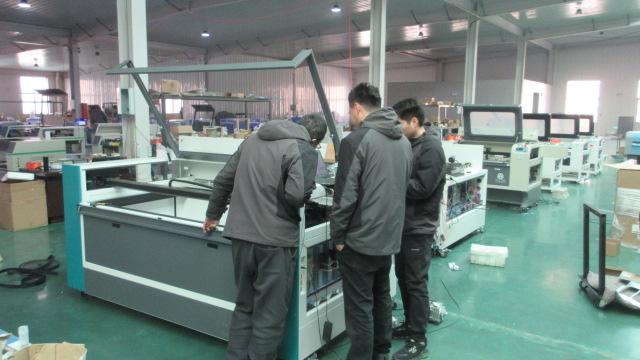
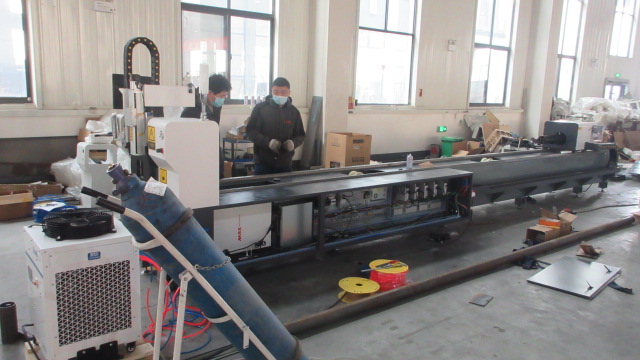
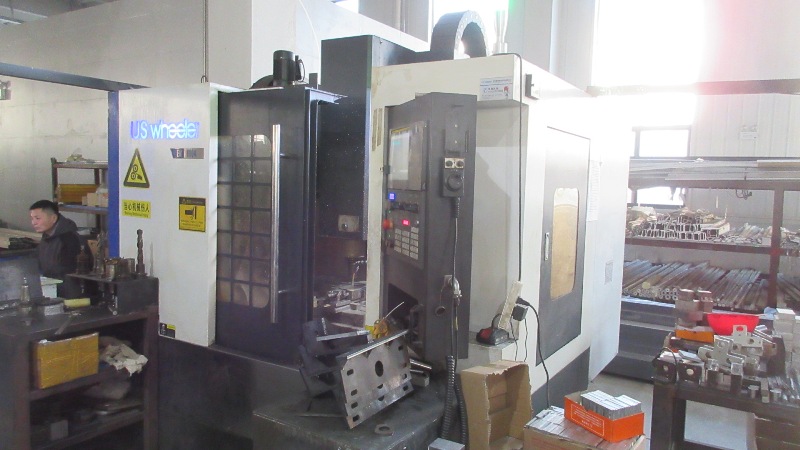
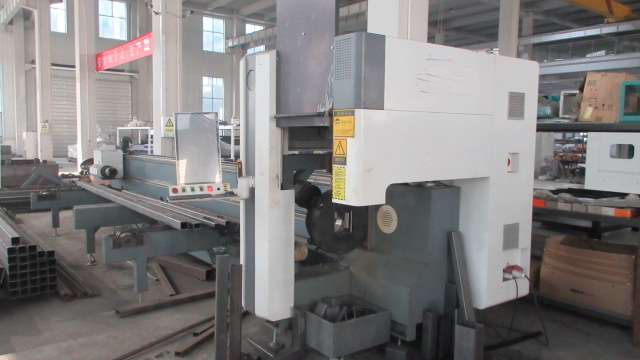
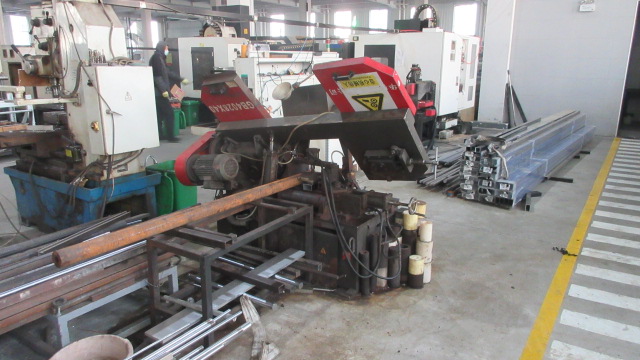
Chengdu Jigsaw Machine Co., Ltd. operates a modern production facility covering over 2,000 square meters, equipped with advanced machining, assembly, and testing systems. The company has established a strong domestic and international distribution network, with partners and agents in multiple countries and regions, enabling timely technical support and comprehensive after-sales service for customers worldwide.
Since its establishment, the company has continuously focused on innovation and resource integration in R&D, manufacturing, and application development. It has obtained ISO9001 international quality management system certification and CE certification, ensuring that all products meet strict international standards for quality, safety, and performance.
Guided by the spirit of “precision manufacturing and pursuit of excellence,” Chengdu Jigsaw Machine Co., Ltd. adheres to a development philosophy of continuous innovation and practical advancement. The company values talent development, encourages creativity, and is dedicated to improving product competitiveness and service capabilities.
With the core values of “creating value for customers, supporting employee growth, and earning industry recognition,” the company is committed to delivering high-performance, intelligent cutting equipment and integrated solutions, helping global clients achieve greater efficiency, automation, and sustainable industrial development.
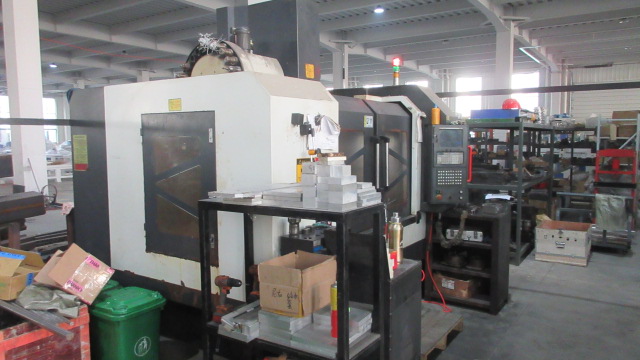
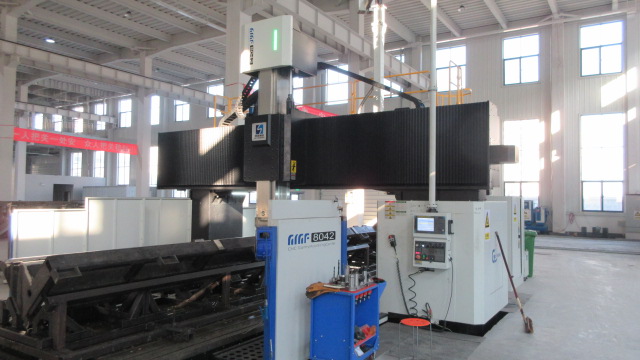
Inside Chengdu Jigsaw Machine Co., Ltd. - Quality Assurance and Industrial Precision Workshops
Why global procurers leverage western China’s manufacturing and logistical hubs
Purchasing components or complete machinery setups from Chengdu Jigsaw Machine Co., Ltd. provides distinct economic and structural benefits. Chinese manufacturing ecosystems are characterized by integrated supply chain clusters, allowing rapid transitions from raw steel to finished cutting machinery. Proximity to material producers, casting foundries, and automated controller suppliers translates to minimized manufacturing lead times.
Furthermore, Chengdu is an essential rail hub connecting China directly to European, Central Asian, and Southeast Asian logistical corridors. The Chengdu-Europe Express Railway shortens transportation times compared to sea freight, providing global enterprises with reliable inventory cycles. When combined with rigorous in-house ISO9001 quality systems and CE-certified safety measures, Chengdu’s production offers a competitive balance of performance, speed, and cost efficiency.
Direct access to metal alloy mills and component manufacturers translates to faster production turnarounds and stable pricing.
Fast transition from CAD design to physical cutting verification, allowing customized mechanical modifications within days.
Direct connectivity via the Silk Road land bridge and sea routes ensures dependable delivery parameters worldwide.
How our custom laser and cutting solutions resolve field-specific production challenges
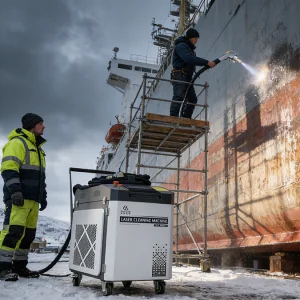
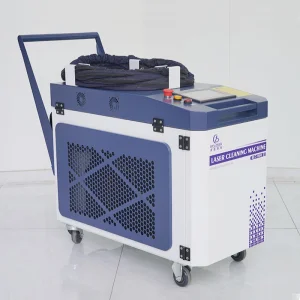
Custom laser cutting and cleaning systems are deployed across diverse operating environments. In heavy civil infrastructure, structural steel fabricators use ultra-high power 3D fiber laser cutting units to bevel H-beams and drill structural plate connections in a single setup, replacing multiple mechanical processes. In shipyards and marine repair docks, operations deploy 3000W continuous wave laser cleaning systems to strip high-build marine coatings and salt-crusted rust prior to weld inspections, enhancing workplace safety and reducing chemical disposal needs.
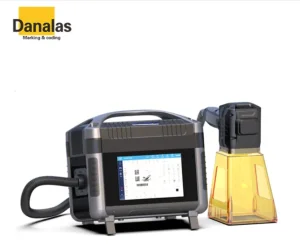
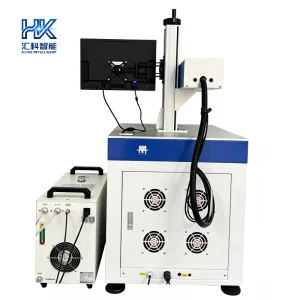
In high-precision electronics manufacturing and glass processing, technicians utilize specialized UV laser markers (3W/5W/10W/20W) to engrave serial numbers, QR codes, and regulatory logos onto thin-walled polymers and tempered display assemblies. The minimal thermal stress prevents micro-fracturing of the glass matrix. In wood-processing and custom furniture shops, CNC routing machinery integrates with automated saw cutting centers to speed up cabinet production runs while reducing human handling.
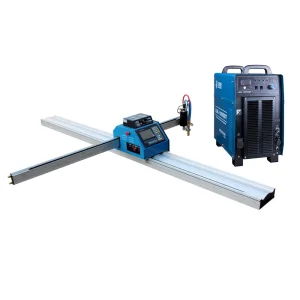
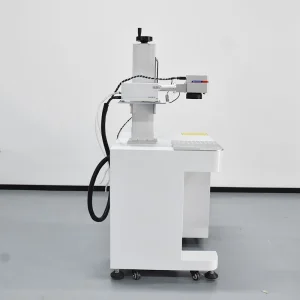
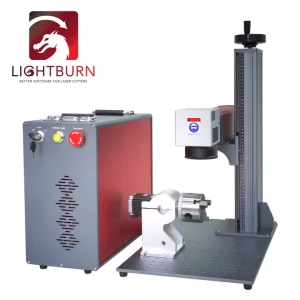
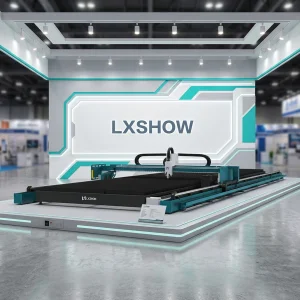
Advanced laser marking, CNC plasma profiling, and modular rust removal systems for global logistics and heavy engineering.
Positioning your procurement strategy for automated, safe, and efficient operations
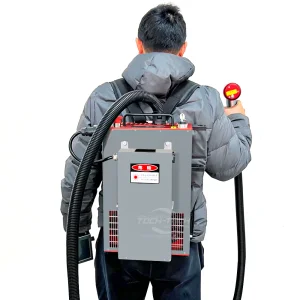
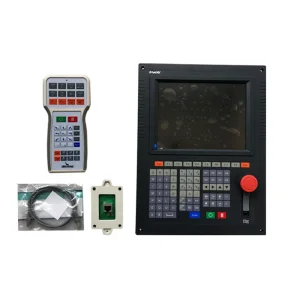
As the industrial sector transitions toward Industry 4.0, several trends are shaping the future of laser fabrication. Among these is the integration of intelligent CNC controllers (such as the StatAi CC-M3 2-axis system), which support USB data transfer and visual process tracking. These controllers enable automated adjustments to path variations in real time, minimizing manual operator inputs. Another key trend is the development of mobile cleaning units, including portable backpack systems. These units allow maintenance crews to execute localized rust and paint stripping on tall structures, ship hulls, and storage tanks in the field, avoiding the logistics of transporting large assemblies to a central workshop.
When selecting a custom cutting and laser processing manufacturer, global buyers prioritize key technical benchmarks to ensure supply chain reliability. Important criteria include:
Strict adherence to CE, RoHS, and ISO9001 standards to verify safety, structural reliability, and environmental compatibility.
Comparing the long-term energy savings of fiber systems and the reduced consumables of laser cleaners against traditional chemical cleaning costs.
Assessing the manufacturer’s partner network to secure field support, replacement parts, and software calibration updates.
Technical clarifications on custom laser services, machine configurations, and logistics
Continuous Wave (CW) lasers emit a constant beam of energy, making them highly effective for rapid, large-scale paint and rust removal on thick metals, such as steel structures and ship hulls. However, CW lasers generate significant heat. Pulsed lasers (such as JPT pulse cleaners ranging from 50W to 300W) emit short, high-energy bursts, which minimize heat transfer. This makes pulsed systems ideal for sensitive substrates like aluminum, wood, carbon fiber, and thin-gauge metals where heat distortion must be prevented.
UV lasers operate at a 355 nm wavelength, which belongs to the ultraviolet spectrum. The energy of this short wavelength breaks chemical bonds within the target material directly, a process known as "cold processing" or photo-ablation. Fiber lasers, operating at 1,064 nm, rely on high heat to melt or vaporize material. This heat can melt plastic and induce thermal stress in glass, causing cracks. UV lasers create sharp, high-contrast marks on glass, crystal, and polymers without damaging the surrounding material.
Traditional structural steel fabrication requires separate operations for sawing, mechanical drilling, and manual beveling. A multi-axis 3D Fiber Laser Cutting Machine (ranging from 12kW to 30kW) performs beveling, drilling, and profiling in a single automated process. This integration reduces handling times, eliminates human measurement errors, and ensures consistent tolerances for structural components like H-beams, channel steel, and heavy plates.
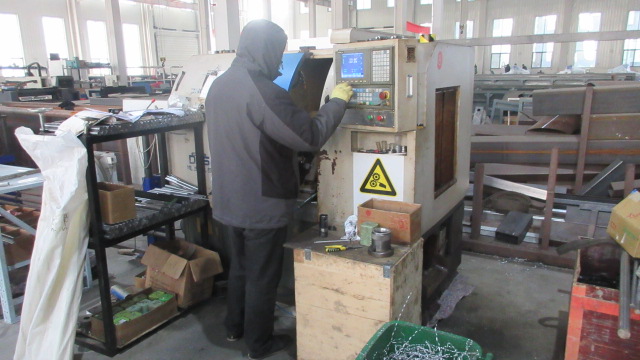
We implement a quality control workflow backed by ISO9001 international quality management and CE certifications. Our facility utilizes advanced CNC machining, milling, and grinding machinery to fabricate core mechanical components. After assembly, every machine undergoes performance tests to verify electrical safety, beam alignment, and controller functionality under load before dispatch.
While backpack and handheld pulse laser cleaning units are designed for mobile field use, care must be taken in outdoor settings. The laser head and optical components are sensitive to humidity, rain, and dust. Operations should be conducted in dry conditions, and dust protection should be used to protect the protective lenses from particulate deposits and optical damage.
Cutting speed is determined by several factors, including the laser's output power, material type, thickness, and the assist gas used (such as Nitrogen, Oxygen, or Compressed Air). Higher wattage fiber lasers (e.g., 20kW to 30kW) cut through thick steel plates faster than lower-wattage systems. Choosing the correct assist gas is also critical: Nitrogen provides clean, oxide-free cuts in stainless steel, while Oxygen facilitates an exothermic reaction that assists in cutting thick carbon steel.
 Jigsaw Machine