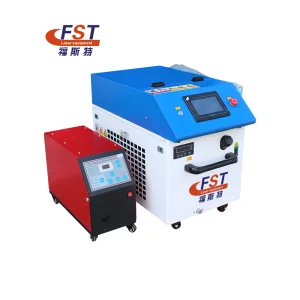
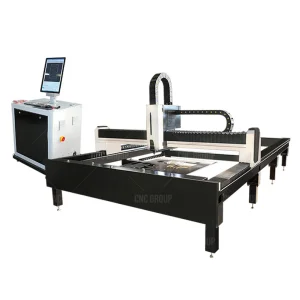
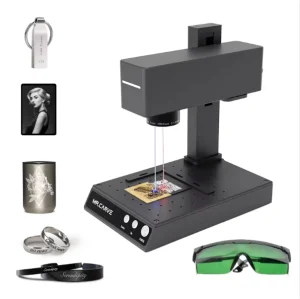
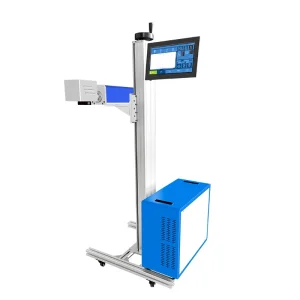
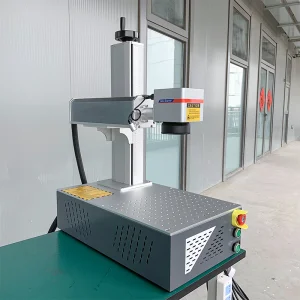
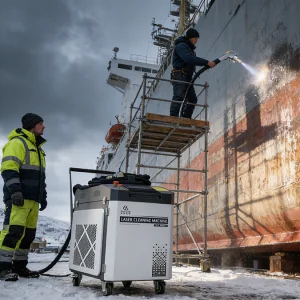
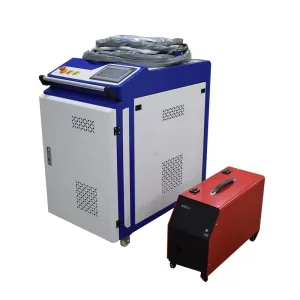
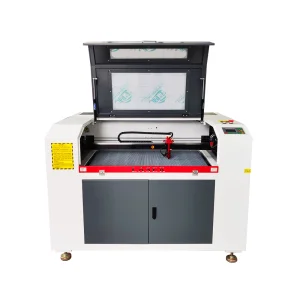
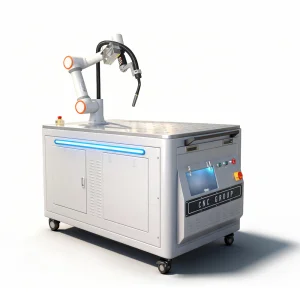
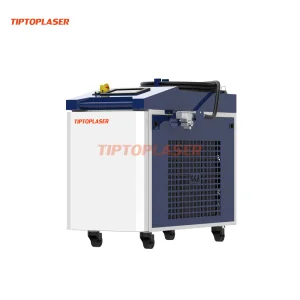
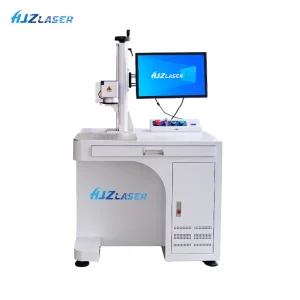
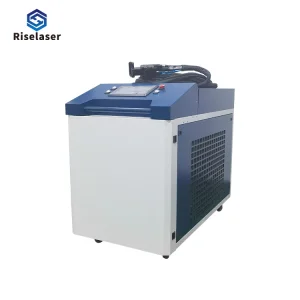
Industrial grade fiber lasers, CO2 marking systems, and portable multi-functional laser cleaning machinery configured for continuous operation.
Understanding the transition to multi-beam gantries and independent toolheads in modern high-speed production plants.
In the highly competitive landscape of industrial manufacturing, throughput optimization is the primary driver of capital equipment investments. The dual-head laser cutter represents a significant leap forward in processing efficiency, offering double the volumetric production capability on a singular footprint. Historically, single-axis or single-head laser systems dominated the market. However, as manufacturers face rising material costs, labor shortages, and demanding delivery schedules, they increasingly opt for specialized multi-head systems.
A dual-head system functions by utilizing either a synchronized dual-gantry design or a single gantry equipped with twin laser heads. By distributing the optical power across two distinct nodes, plants can process identical patterns simultaneously (Copy Mode), execute mirrored layouts (Mirror Mode), or operate asynchronously to maximize raw sheet yield. This configuration effectively cuts processing time in half for high-volume fabrications, making it an indispensable asset in modern industrial ecosystems.
"The shift toward dual-head laser setups has transformed production economics. Across automotive, textile, and metal manufacturing plants, dual-head configurations yield a 90% increase in output per square meter of shop floor space compared to single-head counterparts."
Dual-head systems are generally split into two technological paths depending on the material family being processed:
To support high dynamics, the mechanical chassis must feature robust stress-relieved steel welded beds. In dual-head setups, thermal and dynamic forces are doubled. If the machine lacks mechanical stiffness, micro-vibrations occur, directly translating to rough cut edges, reduced dimensional accuracy, and accelerated component wear.
A B2B procurement comparison between Synchronized Dual-Head and Independent Dual-Head (IDAS) kinematic platforms.
Synchronized dual-head platforms utilize a singular transverse mechanical axis (the Y or X gantry) carrying both laser processing heads. The distance between the heads is adjusted manually or via a coupled auxiliary motor, remaining fixed during the cutting sequence.
Independent Dual-Head (IDAS) gantries utilize individual motion controllers, linear guides, and servo loops for each laser head. Both heads can move independently on their respective axes, controlled by specialized Nesting software designed to balance the workload in real-time.
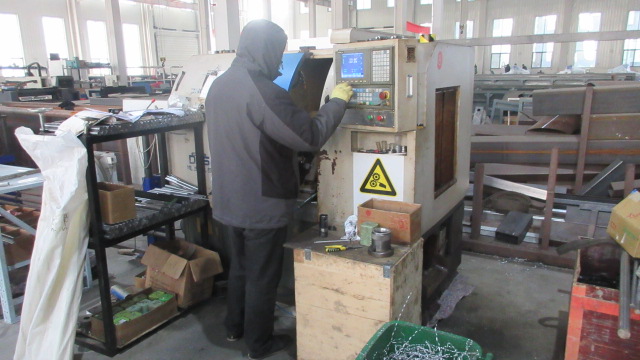
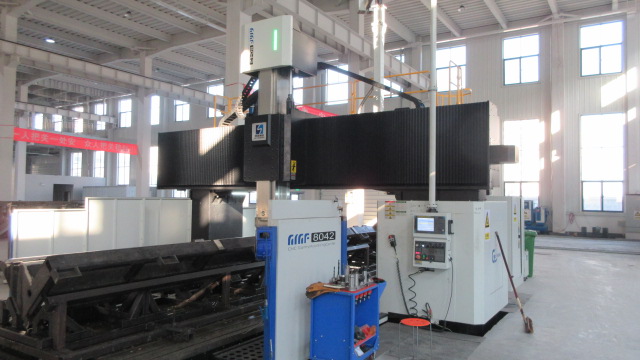
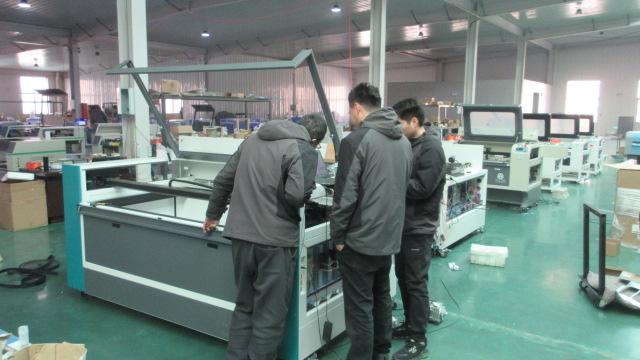
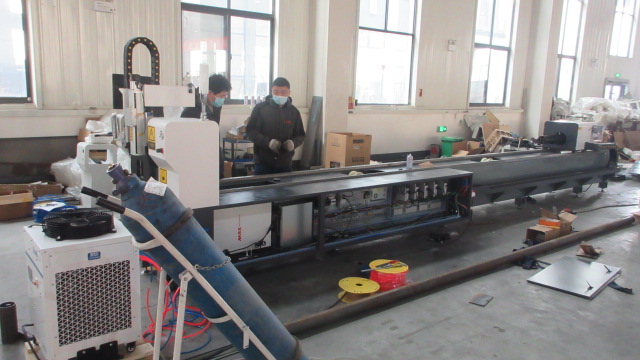
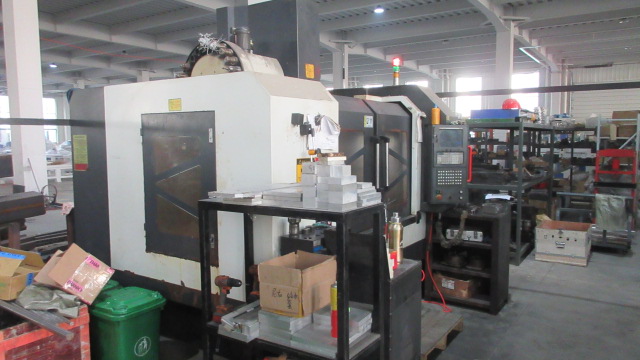
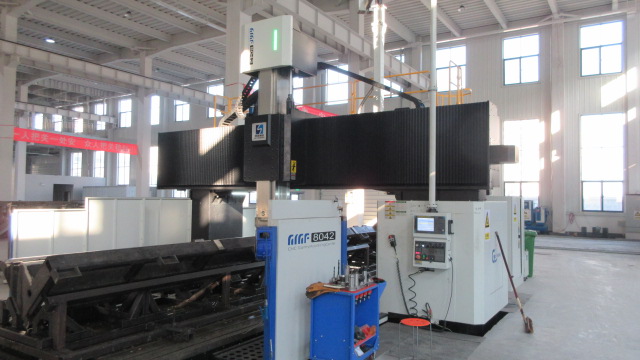
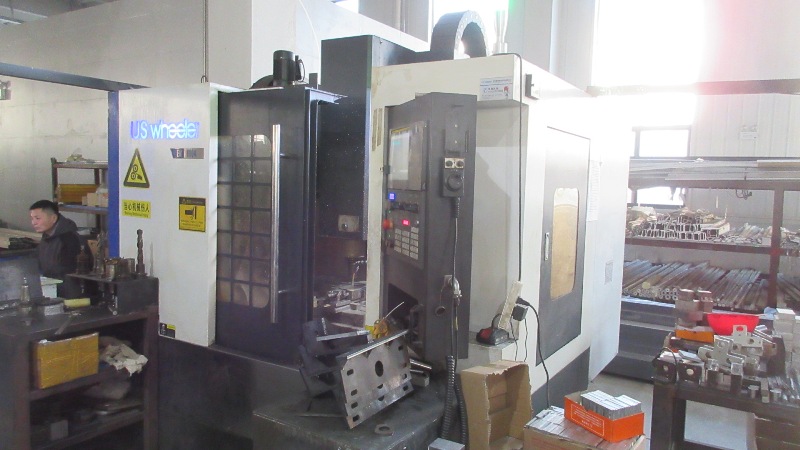
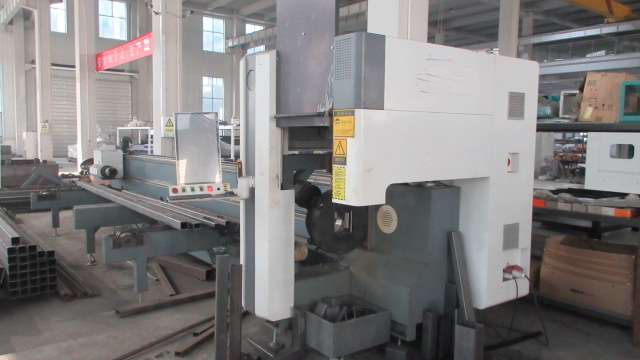
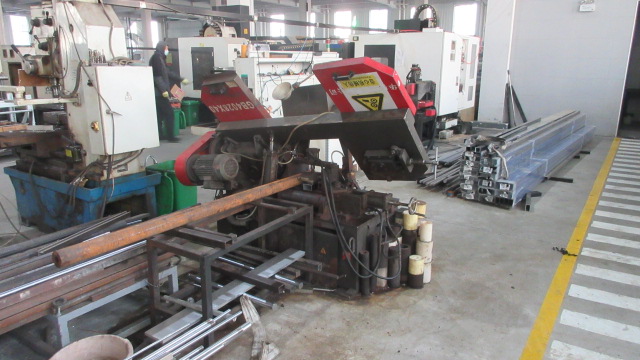
An inside look at our 2,000+ square meter high-tech precision manufacturing and assembly facility located in Chengdu, China.
Founded in May 2010, Chengdu Jigsaw Machine Co., Ltd. is a high-tech enterprise specializing in the research and development, manufacturing, sales, and service of industrial sawing and cutting equipment. With years of experience in the field of cutting machinery and industrial automation, the company is committed to providing efficient, reliable, and intelligent cutting solutions for global customers across a wide range of industries.
The company’s main product portfolio includes handheld jigsaw machines, industrial reciprocating saws, CNC sawing and cutting systems, automated cutting production lines, gantry-type heavy-duty cutting machines, tube and profile cutting equipment, as well as intelligent feeding systems and customized automation solutions. These products are widely used in woodworking, metal fabrication, construction, furniture manufacturing, and general industrial processing.
Chengdu Jigsaw Machine Co., Ltd. operates a modern production facility covering over 2,000 square meters, equipped with advanced machining, assembly, and testing systems. Guided by the spirit of "precision manufacturing and pursuit of excellence," we have established a strong domestic and international distribution network, enabling timely technical support and comprehensive after-sales service for customers worldwide.
Continuous innovation and integration in R&D are verified by our compliance with strict quality standards. Chengdu Jigsaw Machine Co., Ltd. has obtained ISO9001 international quality management system certification and CE certification, ensuring that all products meet strict international standards for quality, safety, and operational reliability.
How global manufacturing hubs utilize dual-head cutting and automated lines to meet specific regional requirements.
High-volume automotive tier-1 suppliers deploy dual-gantry fiber laser systems with synchronized cutting heads. This facilitates rapid cutting of steel body panels and specialized automotive fabrics, integrating seamlessly with robotic welding setups to match tight cycle times.
Utilizing high-power CO2 dual-head cutters with independent Z-axes (IDAS) enables signage workshops in Germany and France to cut acrylic, PVC, and wood. Incorporating integrated CCD vision cameras allows automatic compensation for distortion in printed contours.
Fast-paced electronics packaging and high-volume garment processing factories rely on dual-head conveyor-fed systems. Continuous roll-fed textile cutting systems double processing speeds and optimize fabric utilization via automated nesting calculations.
Predictive maintenance, AI nesting optimization, and structural advances shaping the next generation of multi-beam systems.
Integration of optical displacement sensors near the focus collimator in fiber gantries. This provides closed-loop calibration adjustments, offsetting thermal shifts during multi-hour high-power cutting operations.
Dynamic nesting algorithms utilizing real-time computational balancing. If one toolhead experiences complex geometries, the secondary toolhead calculates an optimal path to execute cuts in adjacent zones, preventing idle gantry time.
Developing structural layouts combining a fiber head and a CO2 head on a single kinematic frame. This allows factories to cut composite plastics and metals on a single setup without moving the workpiece.
Integrating dual-head laser cutting systems within fully automated, high-throughput smart factory ecosystems.
For modern smart factories (Industry 4.0), a standalone laser cutter is rarely a complete solution. Industrial plants require integrated macro solutions where raw sheet metal or textiles are automatically loaded, processed, sorted, and routed with minimal human intervention. Integrating a dual-head laser cutter within this flow optimizes raw handling time to match the system's doubled cutting speed.
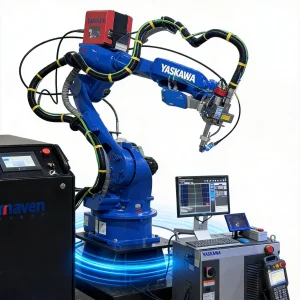
Typical automation workflows feature: 1. Automated Storage and Retrieval Systems (AS/RS): Raw sheet inventory is stored vertically, and an automated elevator loads the correct gauge material onto a vacuum lifter. 2. Shuttle Bed Exchanges: While the dual-head system is cutting one sheet inside the protective enclosure, the external bed is loaded or sorted, maintaining near-zero loading downtime. 3. Collaborative Robots & Sorting Systems: High-precision robotic arms (such as 6-axis collaborative robotic welding and sorting arms) use vision sensors to identify cut components, separating scrap material from finished products and placing them on conveyor lines for packaging.
By connecting the CNC controller directly to factory MES (Manufacturing Execution Systems) via OPC UA protocols, engineers monitor laser tube health, active gas consumption (O2/N2), cutting speeds, and energy usage in real-time. This level of system integration provides high-throughput manufacturers with a fast return on investment (ROI) and minimized operational overhead.
Critical technical clarifications for industrial buyers evaluating dual-head configurations.
In mirror-based CO2 configurations, optical beam alignment is critical. Both laser paths must align with the corresponding focusing lenses across the entire working bed. Aligning the system involves adjusting the third-mirror brackets to align the beam at all four corners of the bed. We use red-dot laser pointers to trace path alignment visually, followed by micro-pulse test burns on acrylic blocks to confirm alignment before commissioning.
Dual-head systems require larger cooling capacities because they house two laser sources. For a dual-head fiber laser cutter (e.g., dual 2000W sources), a dual-circuit water chiller is required to cool both the laser resonators and the processing optics. Proper cooling prevents thermal drifting in the laser cavity and protects focusing elements from overheating.
Yes, on Independent Dual-Head (IDAS) platforms. However, they must use materials with compatible gas assist requirements if they share the same cutting enclosure. In contrast, standard synchronized setups must cut the same material thickness and type, as both heads share the same dynamic parameters and assist gas lines.
Modern CAM software (like CypCut or LightBurn) features specialized multi-head modes. In copy or mirror mode, the software nests parts onto one half of the working area, automatically replicating the toolpaths on the other half. In IDAS configurations, the software splits the geometry based on part density, optimizing paths to ensure both heads complete their respective zones at approximately the same time.
High gantry accelerations create substantial mechanical forces. Planing, milling, and grinding the welded steel bed relieves residual stress and ensures flatness within micron tolerances. Without these steps, the gantry guide rails can become misaligned over time, leading to premature bearing failure and a drop in cutting accuracy.
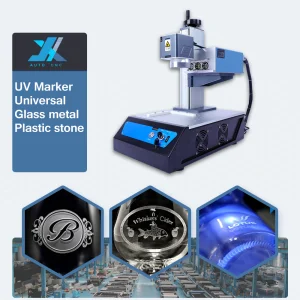
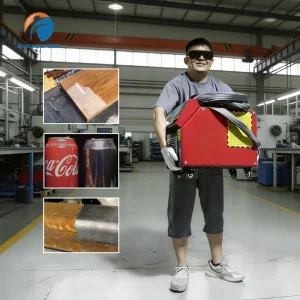
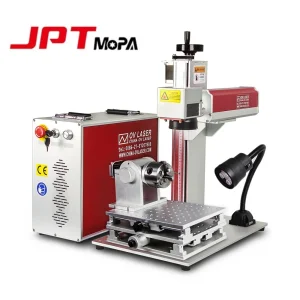
Broaden your production floor capabilities with our specialized laser marking engines, collaborative robotic welders, and heavy-duty rust removers.
 Jigsaw Machine