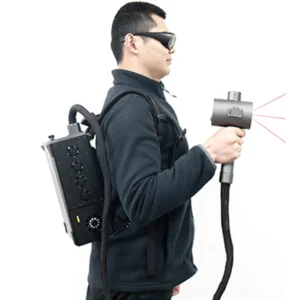
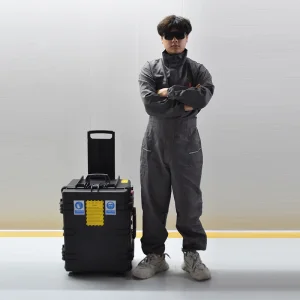
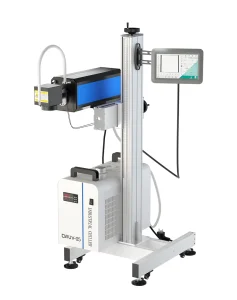
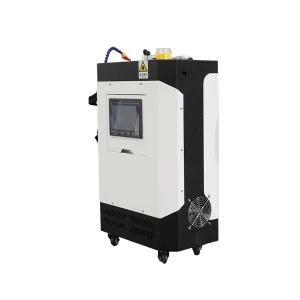
Premium selection of CE certified handheld laser cleaners, CNC 3D marking systems, and high-efficiency portable pulse processors.
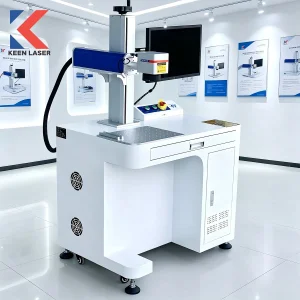
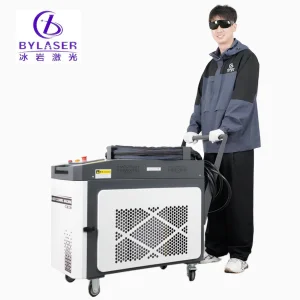
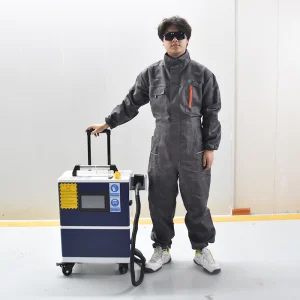
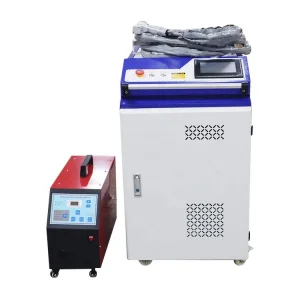

Analyzing the transition from high-heat legacy fusion methods to precision, high-coherence fiber laser welding and processing platforms.
For decades, heavy manufacturing industries relied on Gas Tungsten Arc Welding (GTAW/TIG) and Gas Metal Arc Welding (GMAW/MIG) to join structural metal components. While reliable, these methods subject the base substrates to extreme thermal inputs, creating a massive Heat-Affected Zone (HAZ), structural distortion, and metallurgical degradation. This degradation is especially critical in advanced automotive and aerospace components.
Our CE certified industrial laser welding systems represent a significant advancement. By focusing coherent electromagnetic radiation onto a micro-spot (typically 100 to 300 microns), the system achieves energy densities exceeding 10^6 W/cm². This rapid energy transfer initiates instantaneous keyhole mode vaporization, forming deep, narrow welds with minimal thermal transfer to surrounding zones. The result is structural integrity that matches or exceeds the tensile properties of the base metal, with practically zero deformation.
1. Heat Input Control: Total heat input per unit length is reduced by up to 80% compared to legacy MIG/TIG, ensuring minimal distortion.
2. Microstructure Integrity: Fast solidification rates result in a refined microstructure in the fusion zone, enhancing fatigue strength.
3. Deep Penetration Aspect Ratio: Aspect ratios of up to 10:1 are achievable in high-power keyhole welding modes, enabling single-pass joining of thick plates.
How Chengdu Jigsaw Machine Co., Ltd. applies over a decade of precision mechanical engineering experience to advanced laser technology systems.
Founded in May 2010, Chengdu Jigsaw Machine Co., Ltd. is a high-tech enterprise specializing in the research and development, manufacturing, sales, and service of industrial sawing, cutting, and laser processing equipment. With years of experience in the field of cutting machinery and industrial automation, the company is committed to providing efficient, reliable, and intelligent material processing solutions for global customers across a wide range of industries.
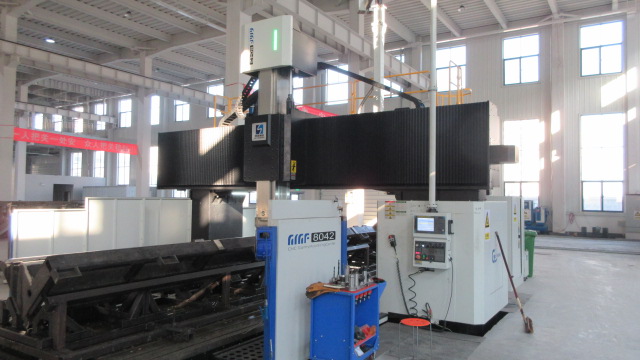
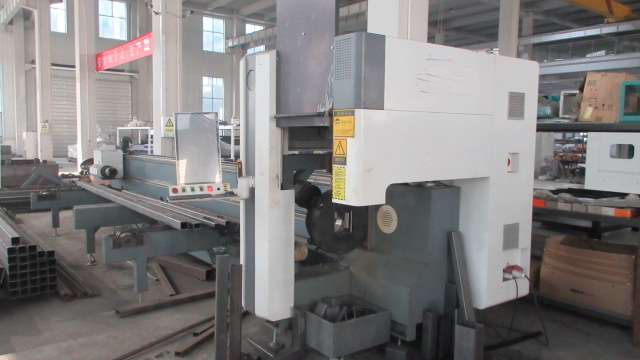
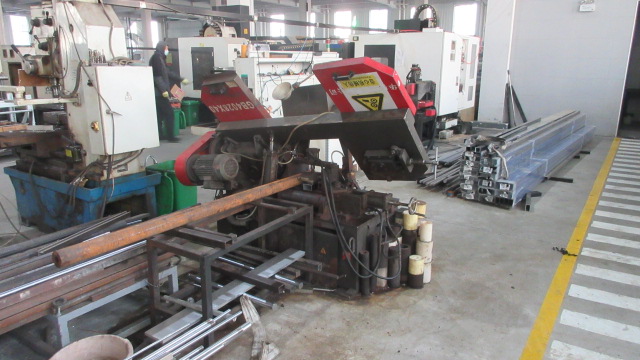
The company’s main product portfolio includes handheld jigsaw machines, industrial reciprocating saws, CNC sawing and cutting systems, automated cutting production lines, gantry-type heavy-duty cutting machines, tube and profile cutting equipment, as well as intelligent feeding systems and customized automation solutions. By integrating state-of-the-art laser processing and welding modules with our mechanical design foundation, we have expanded our capacity to produce advanced industrial laser marking, cutting, cleaning, and welding machines.
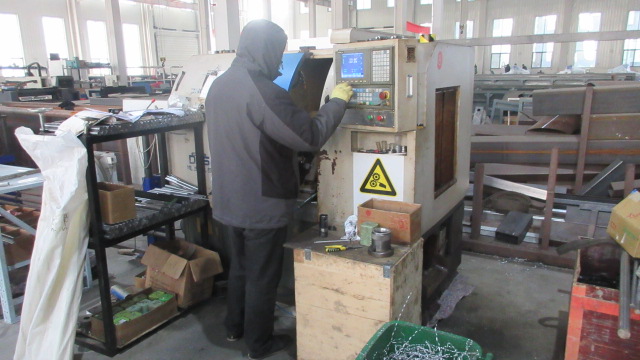
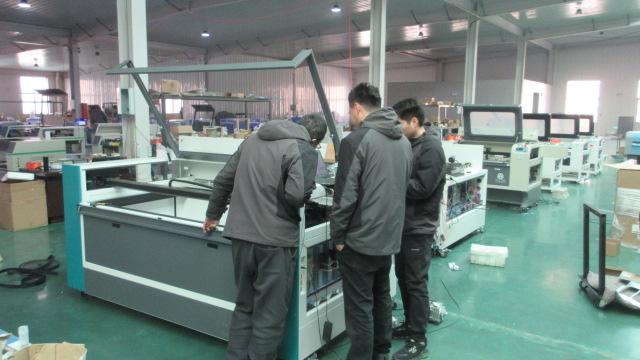
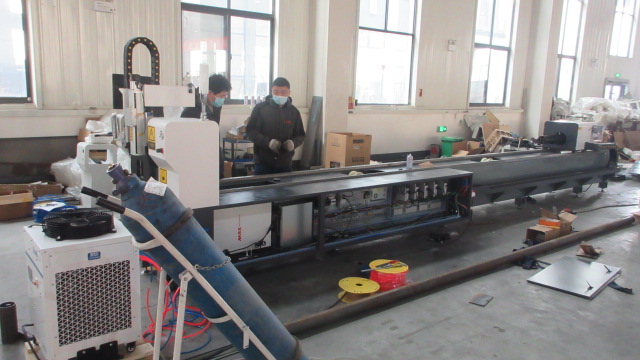
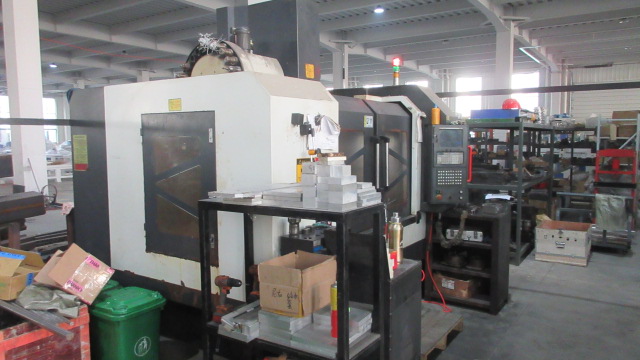
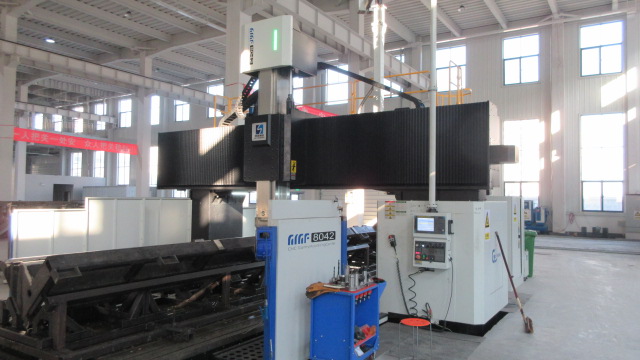
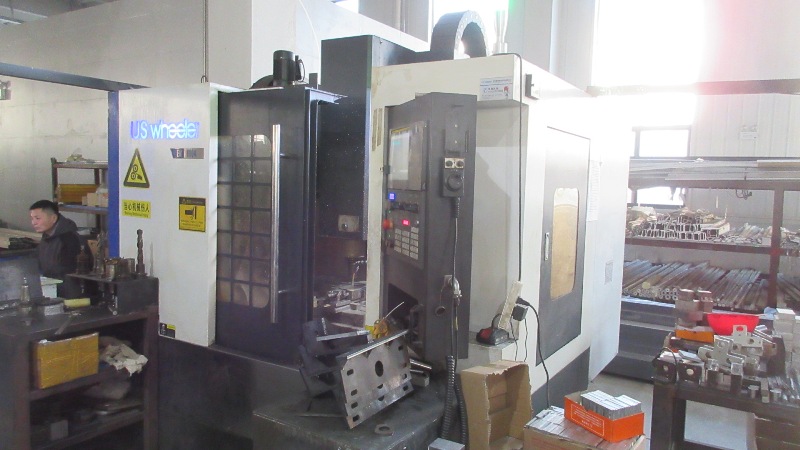
Chengdu Jigsaw Machine Co., Ltd. operates a modern production facility covering over 2,000 square meters, equipped with advanced machining, assembly, and testing systems. The company has established a strong domestic and international distribution network, with partners and agents in multiple countries and regions, enabling timely technical support and comprehensive after-sales service for customers worldwide.
Since its establishment, the company has continuously focused on innovation and resource integration in R&D, manufacturing, and application development. It has obtained ISO9001 international quality management system certification and CE certification, ensuring that all products meet strict international standards for quality, safety, and performance. Guided by the spirit of "precision manufacturing and pursuit of excellence," we adhere to a development philosophy of continuous innovation and practical advancement. The company values talent development, encourages creativity, and is dedicated to improving product competitiveness and service capabilities.
With the core values of "creating value for customers, supporting employee growth, and earning industry recognition," the company is committed to delivering high-performance, intelligent cutting and welding equipment alongside integrated solutions, helping global clients achieve greater efficiency, automation, and sustainable industrial development.
Analyzing how laser welding and cleaning technologies solve production bottleneck challenges across critical global industrial sectors.
The manufacturing of lithium-ion battery packs, copper busbars, and body-in-white (BIW) structures requires precision joining of highly reflective materials. High-power fiber lasers with dynamic beam oscillation (wobble welding) prevent hot cracking, minimize spatter, and ensure high tensile strength welds at high speed.
Our localized pulsed laser cleaners remove oxides, scale, carbon, and polymers from fragile injection molds without causing mechanical abrasion or base-metal erosion. This minimizes tool wear and maintains tolerances for critical components.
Replacing traditional shear-and-drill processing lines, our high-power CNC laser cutting and automated welding cells produce components in a single setup. This reduces lead times for construction frames, cabinetry, and custom ductwork.
A geographic and economic assessment of how manufacturers utilize advanced laser technologies to mitigate labor issues and optimize resource efficiency.
The global metal fabrication market is undergoing a significant transition. Rising labor costs and a shortage of skilled manual welders have driven demand for user-friendly automation. In regions like North America and the European Union, standard manual TIG welding requires years of training. By contrast, a handheld fiber laser welder can be operated with minimal training, matching or exceeding manual output speeds.
Furthermore, energy conservation regulations, such as the EU's Ecodesign initiatives, require modern machine tools to demonstrate improved electrical efficiency. Modern fiber laser units operate at wall-plug efficiencies of up to 30% to 35%, compared to less than 10% for older Nd:YAG or CO2 gas systems. This reduces operational overhead and helps manufacturing facilities meet corporate carbon-reduction mandates.
In developing manufacturing hubs across the Asia-Pacific region, the deployment of CNC laser machines is key to scaling production. This allows factories to supply high-tolerance electronics enclosures, automotive brackets, and custom components to international markets that require strict quality standards.
Understanding the critical aspects of CE Certification (EN 60825-1, Machinery Directive 2006/42/EC) and global localized technical services.
Exporting industrial laser machinery into the European Economic Area requires strict compliance with harmonized directives. Our machines are designed and certified to meet the following standards:
Industrial machinery requires reliable local support to minimize downtime. Chengdu Jigsaw Machine Co., Ltd. coordinates with regional service networks to offer:
Anticipating the technological trends and innovations shaping the future of advanced laser materials processing.
Deploying advanced galvo scan systems that allow real-time control over beam profiles (circular, linear, figure-8, and triangular wobble). This minimizes porosity when welding high-alloy steels and aluminum substrates.
Integrating high-speed coaxial machine vision cameras that record the keyhole and molten pool during fusion. Real-time neural network algorithms analyze the thermal signatures to identify defects (e.g., lack of fusion, cracking) instantly, reducing post-weld inspection costs.
Standard fiber lasers emit infrared light (~1070 nm), which highly reflective metals like copper and gold largely reflect. Incorporating blue (~450 nm) and green (~532 nm) wavelengths improves energy absorption by up to 8x, enabling spatter-free welding of critical copper joints in EV batteries.
Detailed engineering answers to the most common queries regarding system selection, maintenance, and safety compliance.
Single-mode fiber lasers produce a Gaussian beam profile with an M² factor close to 1. This allows the beam to be focused down to a spot of under 50 microns, delivering high power density. They are well-suited for high-speed, thin-section welding. Multi-mode lasers have a flat-top profile with larger core diameters (50 to 300 microns). These are better for thick-section structural steel, where a wider melt pool is needed to accommodate seam variations.
Pulsed lasers emit short, high-peak-power pulses (typically nanosecond durations). This makes them ideal for sensitive surfaces like molds and historical masonry, as they vaporize contaminants without overheating the substrate. Continuous Wave (CW) lasers produce a constant beam, delivering higher average power. They are suited for high-volume rust and paint removal on thick steel plates, where rapid processing speeds are required.
Class 4 lasers present significant risks of eye damage from both direct and reflected beams, as well as potential fire hazards. CE certification verifies that the manufacturer has integrated necessary safety systems, including dual-channel safety interlocks, laser safety enclosures, and emergency stop circuits that meet EU machinery and electromagnetic standards.
The choice of shielding gas is critical to preventing weld pool oxidation. Pure Argon is typically used for carbon steel and stainless steel. Helium, though more expensive, is often added for copper or titanium welding because of its high thermal conductivity, which improves penetration. Nitrogen can be used for certain stainless steels to help stabilize the austenitic phase, but it should be avoided with carbon steels to prevent porosity.
Primary maintenance includes inspecting the protective lens window daily, verifying that the chiller unit has deionized water at the correct temperature, and keeping the wire feeding nozzle clean. Additionally, checking for optical connection stability and ensuring the gas lines are free of leaks help protect the optical components from damage.
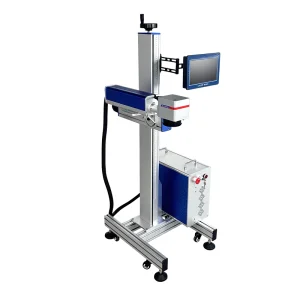
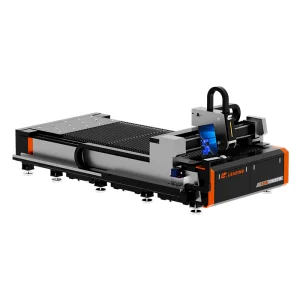
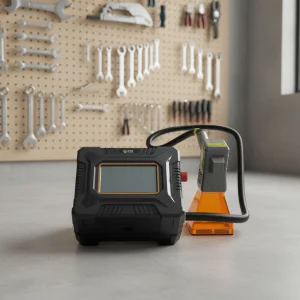
Explore our industrial laser marking, high-speed fiber cutting, and surface processing machinery solutions.
 Jigsaw Machine