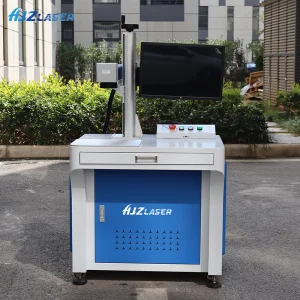
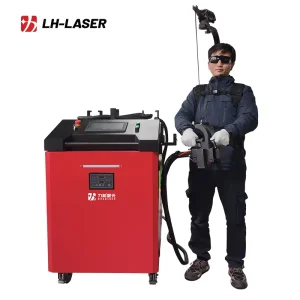
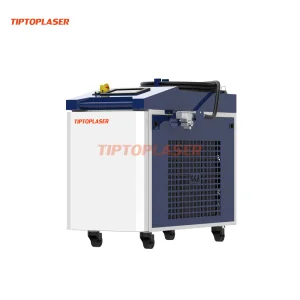
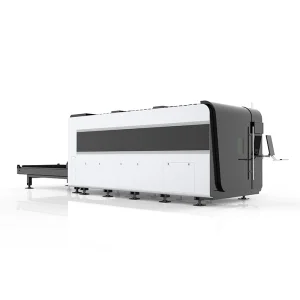
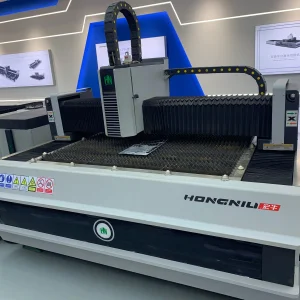
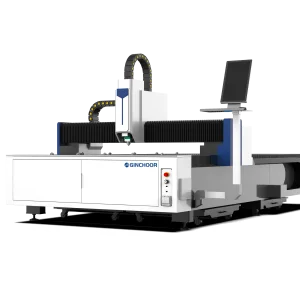
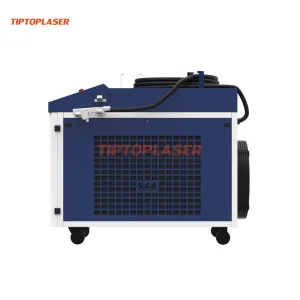
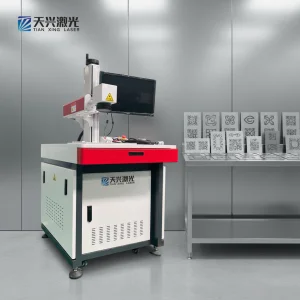
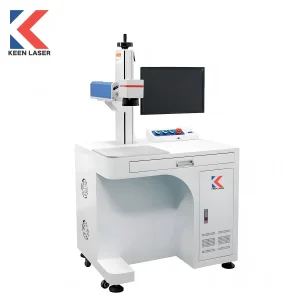
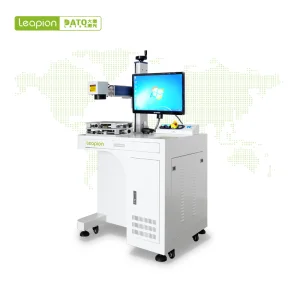
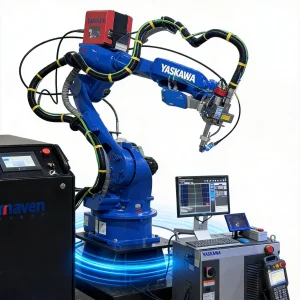
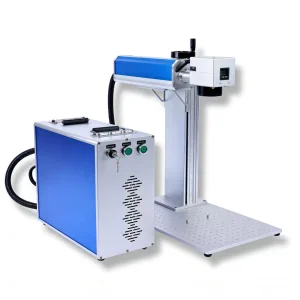
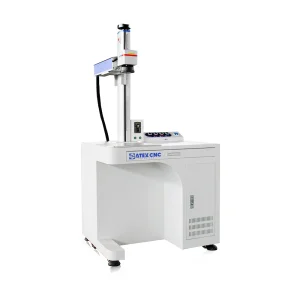
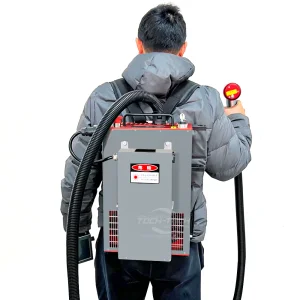
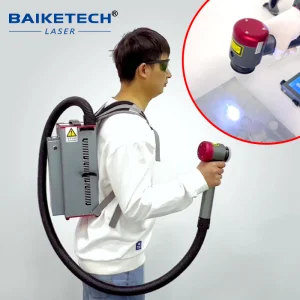
Explore our premium grade industrial cleaning, engraving, and cutting laser machinery optimized for heavy-duty production floors.
Founded in May 2010, Chengdu Jigsaw Machine Co., Ltd. has established itself as a pioneering high-tech enterprise specializing in the research and development, manufacturing, sales, and service of industrial sawing, cutting, and advanced laser marking systems. With years of experience in the field of cutting machinery and industrial automation, the company is committed to providing efficient, reliable, and intelligent laser solutions for global customers across a wide range of industries.
Our core product portfolio includes handheld jigsaw machines, industrial reciprocating saws, CNC sawing and cutting systems, automated cutting production lines, gantry-type heavy-duty cutting machines, tube and profile cutting equipment, as well as intelligent feeding systems and customized automation solutions. By integrating high-power laser configurations and intelligent fiber control systems, our capabilities have scaled into high-tech fields, including 3D laser engraving, laser rust removal, continuous-wave laser cleaning, and multi-axis CNC fiber cutting. These technologies are widely used in woodworking, metal fabrication, construction, furniture manufacturing, aerospace components, medical equipment, electronics, and general industrial processing.
Operating a modern production facility covering over 2,000 square meters, we are equipped with advanced machining, assembly, and testing systems. We have established a strong domestic and international distribution network, with partners and agents in multiple countries and regions, enabling timely technical support and comprehensive after-sales service for customers worldwide. Our dedication to innovation has allowed us to obtain ISO9001 international quality management system certification and CE certification, ensuring that all products meet strict international standards for quality, safety, and performance.
In modern manufacturing, industrial traceability has transitioned from a compliance-oriented checkbox to a fundamental operational requirement. Modern procurement departments face several challenges when choosing laser marking systems, including processing speed, material versatility, software compatibility, and structural longevity. In sectors such as automotive manufacturing, aerospace engineering, medical devices, and consumer electronics, automatic laser marking devices are essential for generating permanent, clean, and legible identification marks.
Global procurement teams prioritize features such as high peak pulse power, minimal thermal damage, and seamless factory floor integration. For instance, the demand for Desktop 3W/5W UV Laser Marking Machines has increased due to the growth in medical instrument manufacturing, where cold marking is required to preserve the structural integrity of surgical equipment. Similarly, heavy industries require high-power fiber laser solutions capable of marking deep alphanumeric serial numbers and 2D matrices on structural steel, castings, and aluminum alloys.
Guarantees legible, high-contrast, permanent barcodes, DataMatrix codes, and serial numbers that survive subsequent industrial surface treatments, heat cycles, and mechanical wear.
Standardized communication protocols (TCP/IP, Modbus, EtherNet/IP) and hardware signals that interface directly with PLC systems, SCADA platforms, and robotic loaders.
Replacing traditional ink-based printing systems with laser marking reduces chemical waste, consumable expenses, and down-time associated with ink head cleanings.
Compliance with Class 1 laser safety standards, integrated protective housings, dual safety interlocks, and active optical monitoring systems for operator safety.
Modern production facilities demand automated systems that minimize manual handling and prevent human error. Achieving this requires linking marking systems directly to database architectures. For instance, when a component reaches a marking station, a barcode reader scans the unit, retrieves its configuration from the ERP database, and adjusts the laser's focal length, pulse width, and content dynamically.
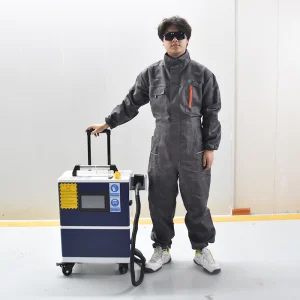
Our industrial systems are designed to operate under continuous shifts. In automotive assembly, for example, fiber laser systems mark high-tensile steel components directly on high-speed conveyors. In the packaging sector, CO2 and UV laser units mark expiry dates and batch codes on complex plastics and glass substrates. Additionally, heavy-duty cleaning equipment, such as our 6000W Continuous Wave Laser Cleaner, removes surface oxidation and protective coatings prior to welding to ensure clean joins and prevent structural failure.
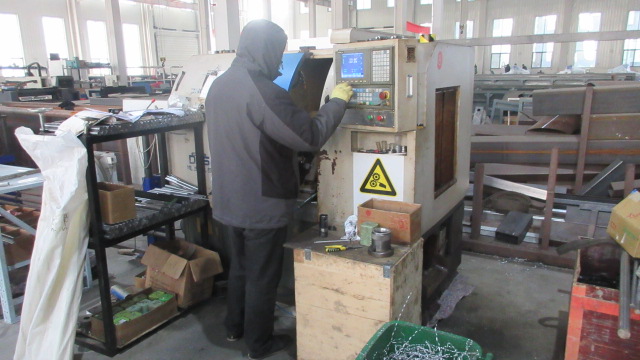
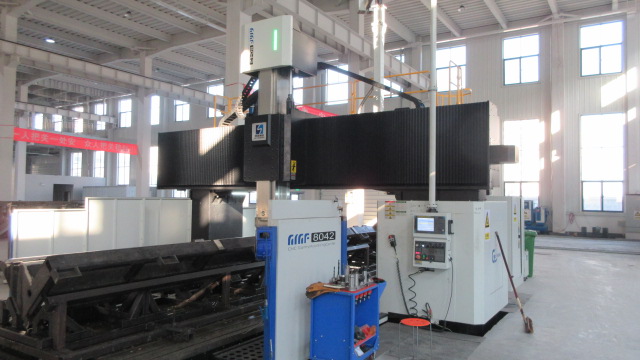
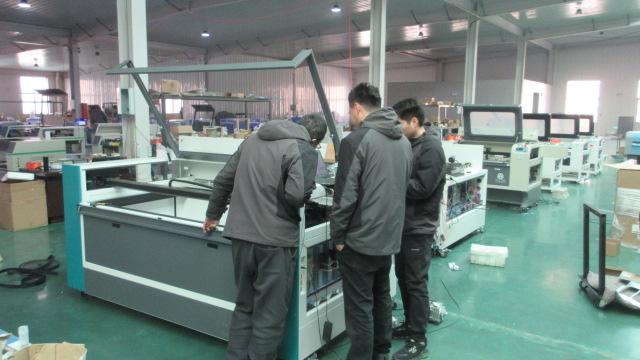
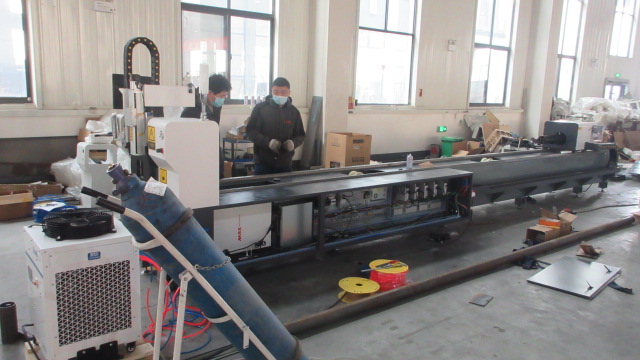
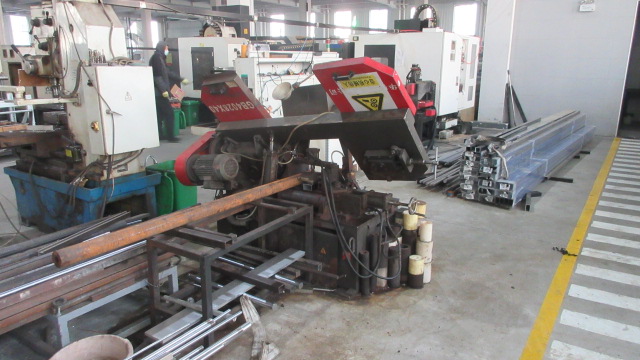
Take an inside look at our modern production line. From precise CNC milling to meticulous electrical assembly and final performance calibration, every system meets rigorous standards.
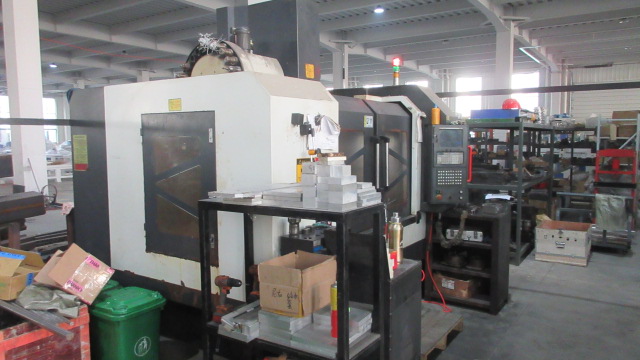
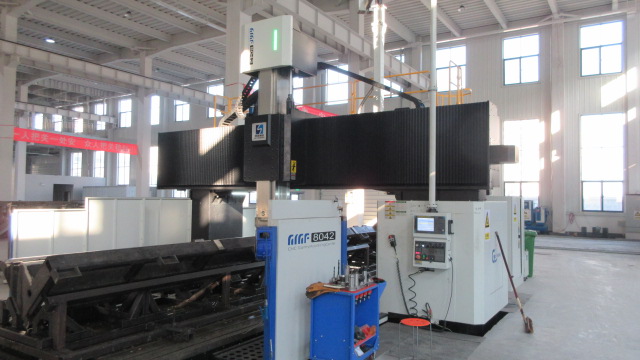
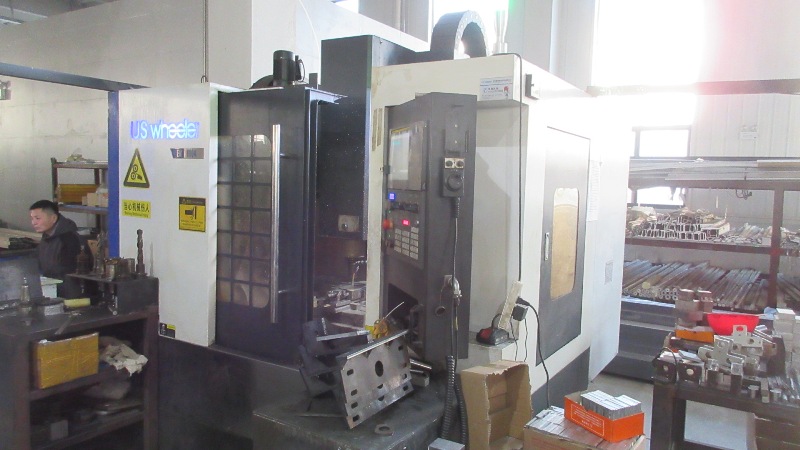
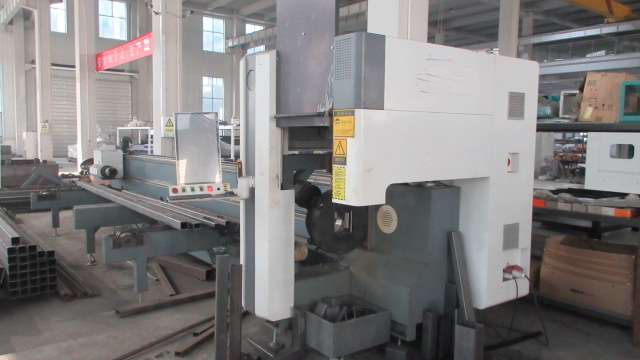
The laser marking industry is moving toward shorter pulse durations, higher beam qualities, and AI-driven automation. Standard nanosecond fiber lasers are highly effective for common metals, but complex marking tasks require specialized beam shapes and wavelengths. Modern MOPA (Master Oscillator Power Amplifier) systems, which offer adjustable pulse durations, enable marking on plastics with minimal thermal damage and allow color marking on stainless steel and titanium alloys.
Key technological developments include:
Operating in global markets requires compliance with local safety standards and certification frameworks. Our laser devices are engineered to comply with regulations such as Europe's CE Machinery Directive 2006/42/EC and America's FDA CDRH Laser Product Safety Standards. All systems include safety interlocks, emergency stop circuits, and emission warning lights to ensure operator safety on the shop floor.
We work with regional agents and service networks in North America, Europe, and Asia-Pacific to provide localized technical support. This setup ensures that customers receive replacement optics, field calibration, and safety training promptly. Our engineering team also offers customized integration support to help connect our systems with existing factory SCADA and PLC configurations.
Common questions from engineering departments and procurement specialists regarding configuration, application, and safety.
Select specialized engraving, welding, and portable cleaning units designed for high-mix, low-volume workshops and field maintenance operations.
 Jigsaw Machine