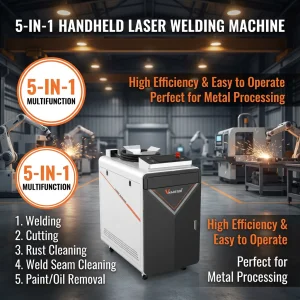
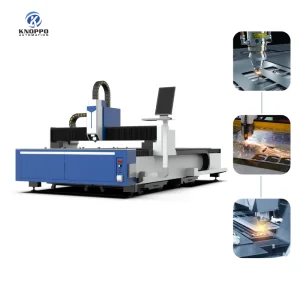
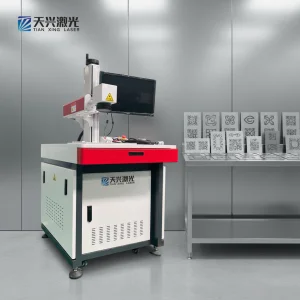
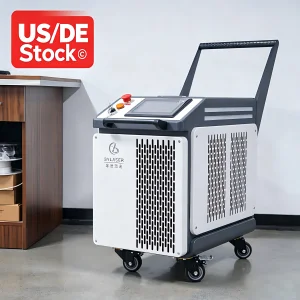
Explore our catalog of certified high-performance fiber, UV, and CO2 laser machinery configured for versatile manufacturing scales.
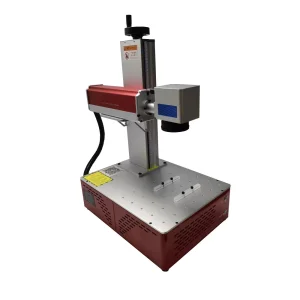
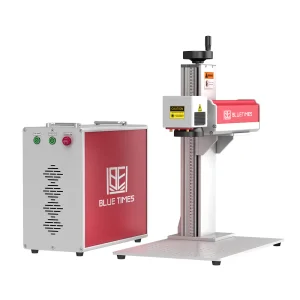
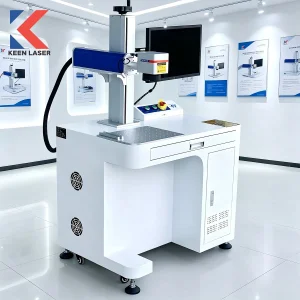
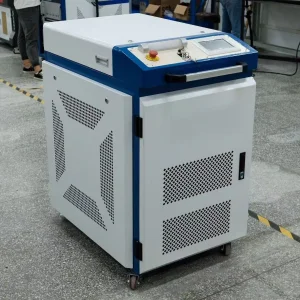
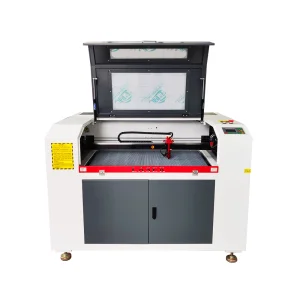
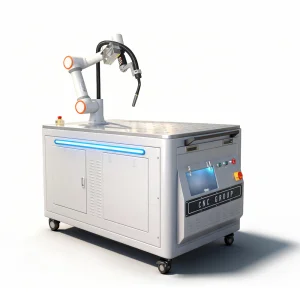
The manufacturing landscape is undergoing a critical evolution as modern fabrication moves away from legacy fixed-gantry systems to fully autonomous 3D robotic laser cutting systems. Industrial settings now demand dynamic machinery capable of processing structural shapes, stamped components, and intricate tube geometries. Integrating a multi-axis articulating robotic arm with a fiber laser source provides unparalleled flexibility, precision, and space optimization.
Traditional CNC cutters are limited to two-dimensional planar travel (X and Y coordinates). By contrast, 6-axis robotic arms allow the laser processing head to navigate freely in 3D space, manipulating angles of approach, standoff distance, and focal point tracking. This configuration eliminates secondary processing stages, such as manual deburring or separate trimming setups, resulting in immediate time savings and a significant reduction in overall equipment footprint.
Sourcing advanced industrial laser machinery from qualified Chinese suppliers offers global enterprise buyers a strategic advantage. This benefit stems from a robust component supply chain, high-efficiency manufacturing facilities, and substantial cost efficiencies.
China is home to the world's most dense concentration of laser component manufacturers. Key components, from state-of-the-art fiber optics, Raycus and JPT laser sources, to advanced CypCut CNC controllers, are engineered and built in close geographic proximity. This reduces lead times and lowers shipping and logistical overheads.
Top-tier Chinese manufacturers operate under ISO9001 quality management systems and obtain CE, FDA, and FCC compliance certificates. This ensures all exported machinery complies with strict safety and performance regulations in Europe, the Americas, and APAC.
By leveraging optimized manufacturing processes, Chinese factories deliver advanced industrial systems at a highly competitive initial cost. This enables global buyers to amortize their machinery investments faster, unlocking budget for operational growth.
Understanding the component breakdown of an automated laser cutting cell is vital for matching the machinery to specific operational needs. Below is an overview of the technical parameters of the mechanical and optical components of these systems.
1. The Laser Source: Choosing between Continuous Wave (CW) fiber lasers, Pulsed lasers, and MOPA sources depends on target material thickness and processing speed. Power capacities typically range from 1,000 Watts for thin sheets up to 30,000 Watts for heavy armor plate processing. For high-precision markings or micro-drilling on plastics, glass, and sensitive electronics, high-peak-power UV lasers or JPT MOPA systems are preferred.
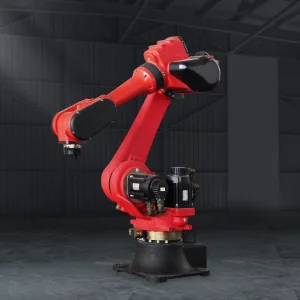
2. 6-Axis Articulated Robots: The mechanical backbone features standard industrial robots with a repeat positioning accuracy of up to ±0.02 mm. Integrated with specialized laser software, these robotic arms calculate tool center point (TCP) coordinates in real-time, executing smooth cuts around complex profiles.
3. Laser Cutting Head & Gas Assist: Equipped with auto-focus capacitive height sensors, the laser head maintains a constant standoff distance from uneven sheet surfaces. Clean nitrogen or oxygen gas-assist systems blow away molten metal, ensuring dross-free edge profiles.
Robotic laser cutting solutions are used across diverse industrial sectors. Here is how they improve production lines in demanding environments:
In automotive assembly lines, robotic laser cutting is vital for trimming hydroformed parts and high-strength hot-stamped steel panels. The process maintains tight tolerances, reducing the need for costly mechanical stamping dies.
Processing alloy sheets and honeycomb panels for engine cowlings requires non-contact cutting methods. Fiber laser robotic systems prevent mechanical stress and warping, ensuring parts meet aerospace quality standards.
Thick plate processing for excavators, cranes, and structural steel beams uses high-power fiber lasers. These systems make clean bevel cuts, preparing components for robotic welding in a single step.
Founded in May 2010, Chengdu Jigsaw Machine Co., Ltd. is a high-tech enterprise specializing in the research and development, manufacturing, sales, and service of industrial sawing and cutting equipment. With years of experience in the field of cutting machinery and industrial automation, the company is committed to providing efficient, reliable, and intelligent cutting solutions for global customers across a wide range of industries.
Our main product portfolio includes handheld jigsaw machines, industrial reciprocating saws, CNC sawing and cutting systems, automated cutting production lines, gantry-type heavy-duty cutting machines, tube and profile cutting equipment, as well as intelligent feeding systems and customized automation solutions. These products are widely used in woodworking, metal fabrication, construction, furniture manufacturing, and general industrial processing.
Chengdu Jigsaw Machine Co., Ltd. operates a modern production facility covering over 2,000 square meters, equipped with advanced machining, assembly, and testing systems. The company has established a strong domestic and international distribution network, with partners and agents in multiple countries and regions, enabling timely technical support and comprehensive after-sales service for customers worldwide.
Since its establishment, the company has continuously focused on innovation and resource integration in R&D, manufacturing, and application development. It has obtained ISO9001 international quality management system certification and CE certification, ensuring that all products meet strict international standards for quality, safety, and performance.
Guided by the spirit of "precision manufacturing and pursuit of excellence," Chengdu Jigsaw Machine Co., Ltd. adheres to a development philosophy of continuous innovation and practical advancement. The company values talent development, encourages creativity, and is dedicated to improving product competitiveness and service capabilities.
With the core values of "creating value for customers, supporting employee growth, and earning industry recognition," the company is committed to delivering high-performance, intelligent cutting equipment and integrated solutions, helping global clients achieve greater efficiency, automation, and sustainable industrial development.
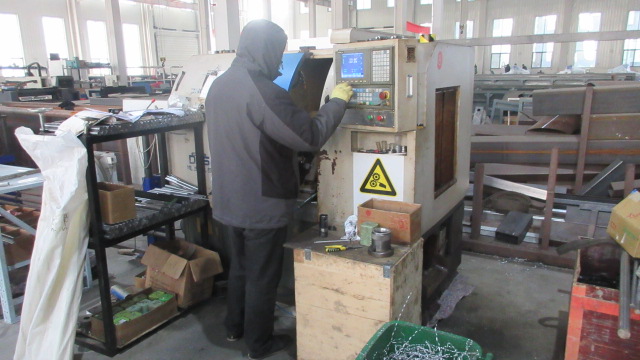
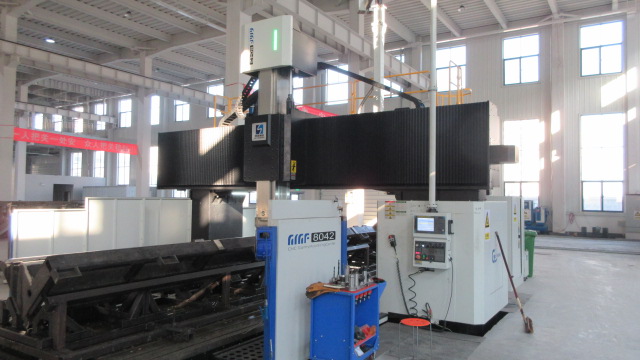
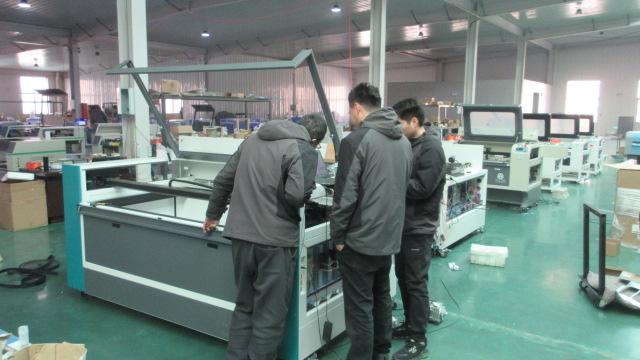
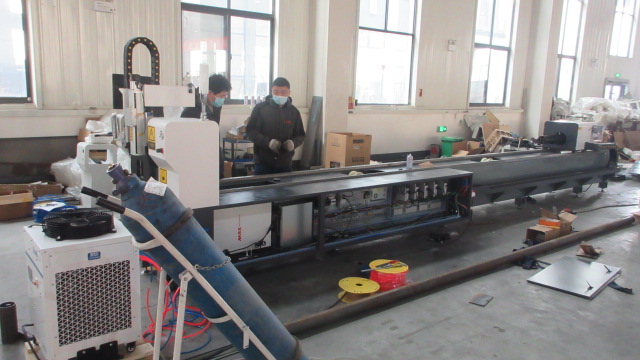
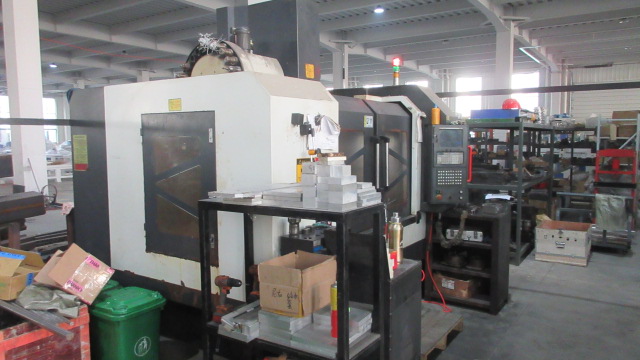
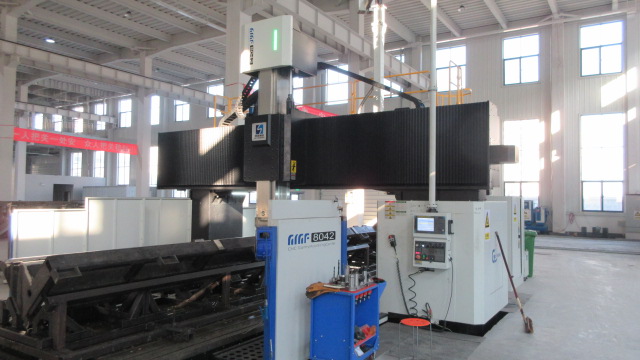
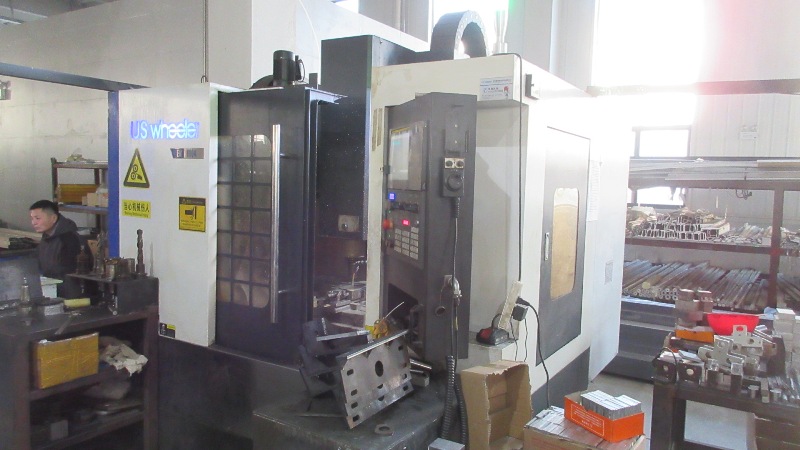
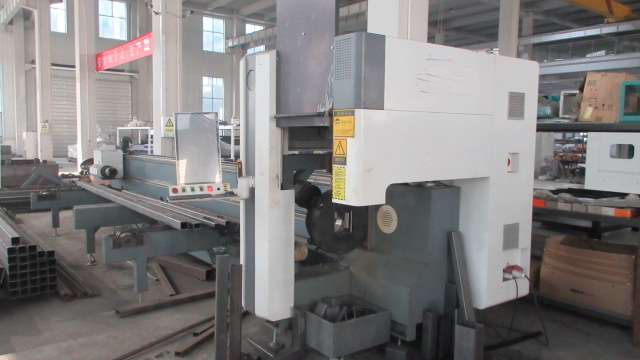
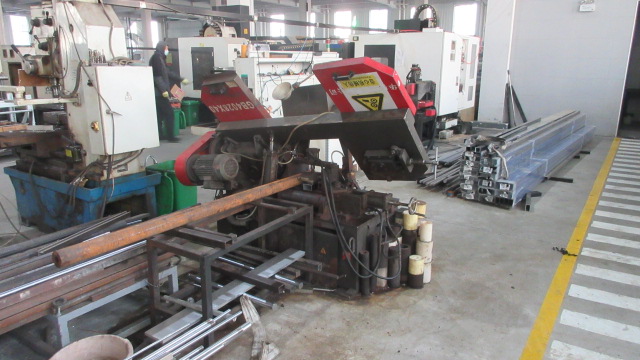
A visual tour of our 2,000+ sqm manufacturing facility, detailing machining, assembly, and quality assurance workflows.
Expert answers addressing the primary technical and commercial concerns of global procurement departments.
Robotic fiber laser cutting systems process reflective and non-reflective metals, including carbon steel, stainless steel, aluminum, brass, copper, and titanium. Using a 1064nm optical wavelength, fiber lasers cut metallic elements cleanly. For non-metallic materials like wood, plastics, and glass, CO2 or UV laser sources are recommended.
Traditional CNC laser cutters use a flatbed design operating along standard Cartesian coordinates (X, Y, and Z). A 6-axis robotic system integrates an articulating arm that provides rotation (yaw, pitch, and roll) along multiple axes. This allows the laser head to cut three-dimensional shapes, bevel edges, and curved pipes that flatbed CNC machines cannot process.
Our machinery is manufactured under ISO9001 quality management systems and complies with CE international directives for electrical and mechanical safety. Additionally, systems shipped to North America can be configured to meet FDA and CDRH laser safety standards, including Class 1 fully enclosed configurations.
Modern industrial fiber laser sources have an operating lifespan of approximately 100,000 hours, which equals over 10 years of continuous operation under proper cleanroom conditions. We partner with leading suppliers like Raycus and JPT to ensure high beam quality, power stability, and global service support.
We offer comprehensive technical support packages for international buyers, including detailed installation manuals, video tutorials, and remote calibration assistance. For complex lines, we can send field service engineers to compile, calibrate, and program the robotic parameters on-site, alongside running full safety and operator training programs.
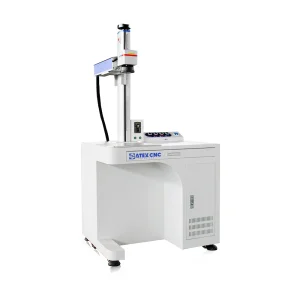
Explore our specialized multi-axis collaborative and industrial robot machinery for high-precision welding, cutting, and engraving.
 Jigsaw Machine