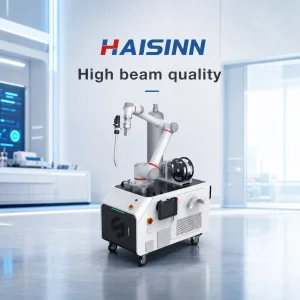
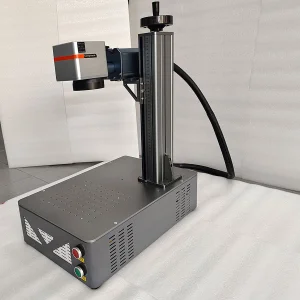
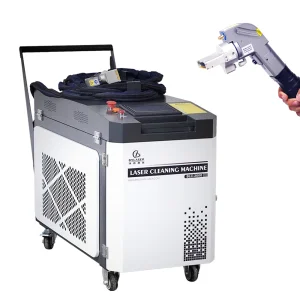
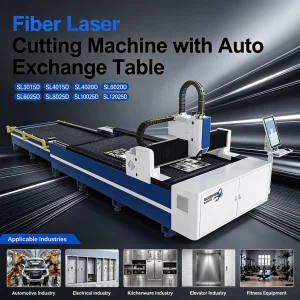
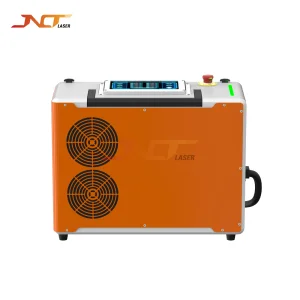
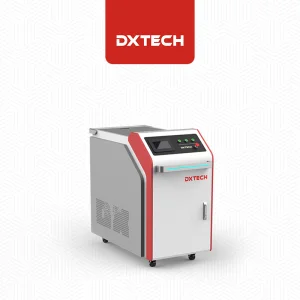
Explore our leading industrial metalworking, robotic welding, and precision laser systems selected for global manufacturing lines.
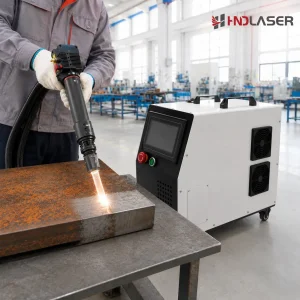
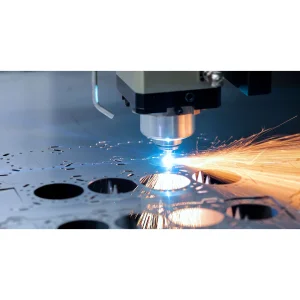
Industrial surface cleaning has undergone a massive paradigm shift. Traditional technologies—such as abrasive blasting, chemical pickling, and dry-ice blasting—come burdened with severe liabilities: hazardous chemical discharge, excessive secondary waste, mechanical substrate damage, and escalating operational footprints.
Laser cleaning technology, utilizing high-frequency, short-duration pulse and continuous-wave fiber laser systems, offers an environmentally non-invasive solution. By delivering targeted energy to remove oxides, organic layers, industrial grease, rust, and specialized coatings, it guarantees raw substrate preservation down to the micron. This whitepaper analyzes the capabilities, economics, and design criteria critical to global procurement teams sourcing from China's premier laser automation manufacturers.
"The physics of laser ablation relies on the optical absorption difference between the contamination layer and the underlying substrate. When the laser energy flux exceeds the ablation threshold of the containment layer but remains safely below the damage threshold of the base metal, selective removal is achieved without thermal or mechanical stress."
Understanding the distinction between pulse and continuous-wave (CW) lasers is critical for correct system specification. As shown in the comparison matrix below, each technology serves distinct industrial applications:
| Parametric Dimension | Pulse Laser Cleaning (Nanosecond/Picosecond) | Continuous Wave (CW) Laser Cleaning |
|---|---|---|
| Core Application | Precision cleaning, thin paint layers, high-value molds, aerospace substrates, delicate components. | Heavy-duty rust removal, thick oxide scale, structural steel preparation, shipbuilding repair. |
| Thermal Input to Substrate | Minimal to zero thermal impact zone (HAZ). Cool-to-touch processing. | Higher heat transfer. Requires thermal monitoring to prevent thin-metal warping. |
| Power Availability | Typically 100W, 200W, 300W up to 1000W. | Typically 1500W, 2000W, to 3000W+. |
| Coating Types | Epoxies, anodized layers, selective coatings, oily residue, rubber molds. | Thick red rust, industrial marine paint, scale from steel rolling. |
Advanced Chinese laser cleaning equipment incorporates high-speed 2D galvo-scanner heads. These systems allow operators to switch scan shapes on-the-fly. Key patterns include:
How precision laser cleaning solves engineering challenges across key global industry sectors.
Selective paint stripping from high-strength aluminum alloys and composite components. Replaces hand-sanding and volatile organic solvent chemical baths, preserving sensitive structural substrates.
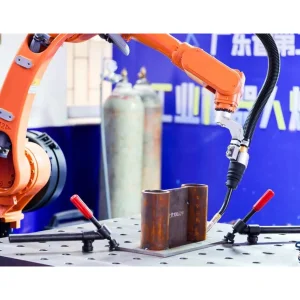
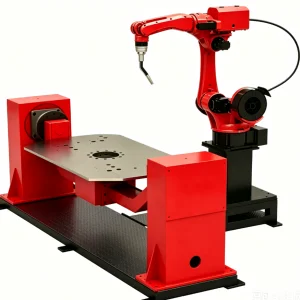
High-speed cleaning of EV battery pack housings prior to structural bonding, and pre-weld oxide removal for lightweight tailored blanks. Seamlessly integrates with 6-axis robotic arms for high-volume production lines.
In-situ cleaning of gas turbine rotors, high-temperature boilers, and generator windings. Non-contact process eliminates grit contamination, preventing premature bearings wear and balancing issues.
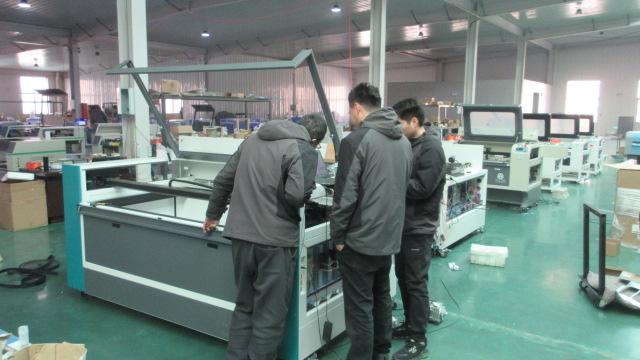
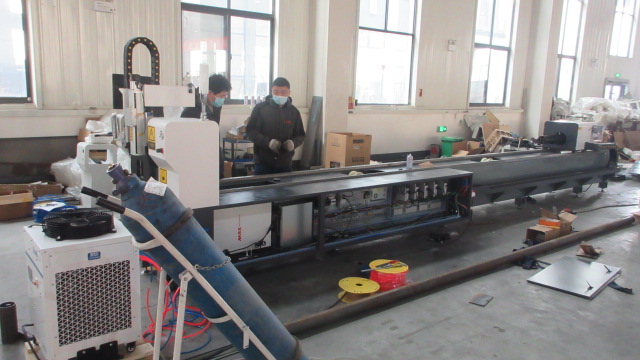
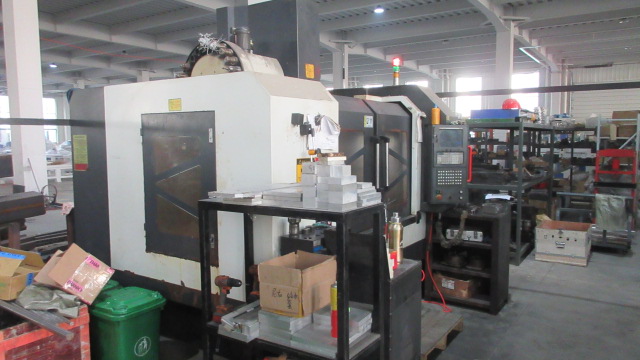
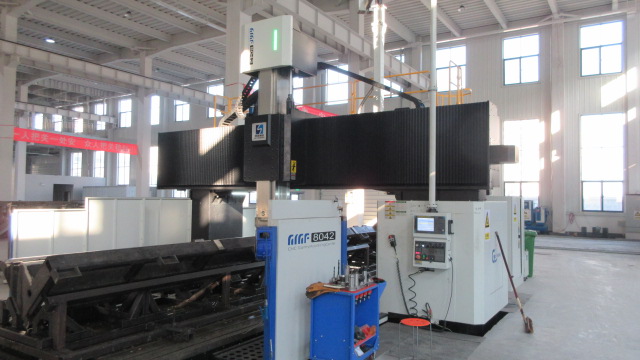
Combining modern fabrication engineering with world-class quality controls for industrial machinery and laser-integrated systems.
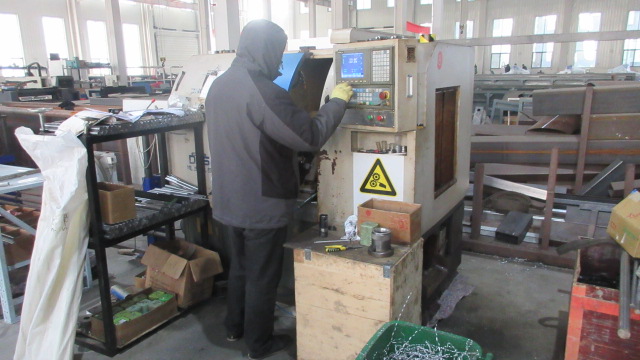
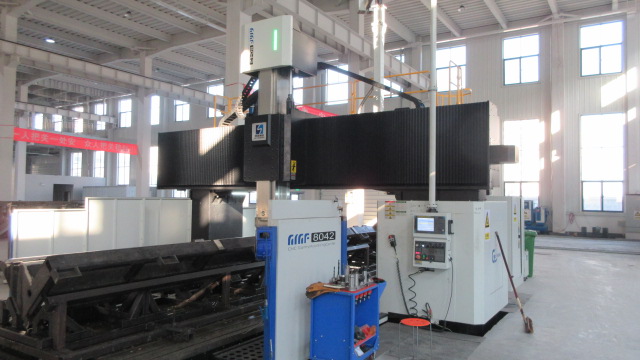
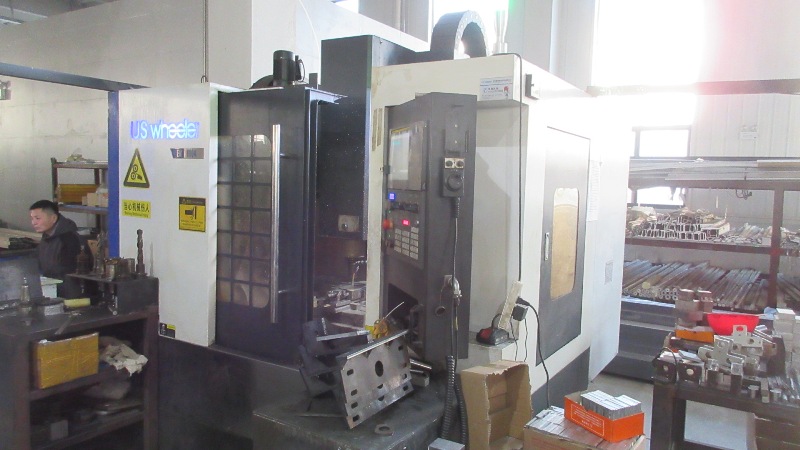
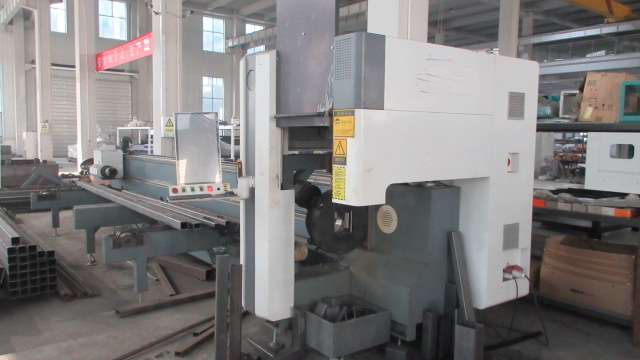
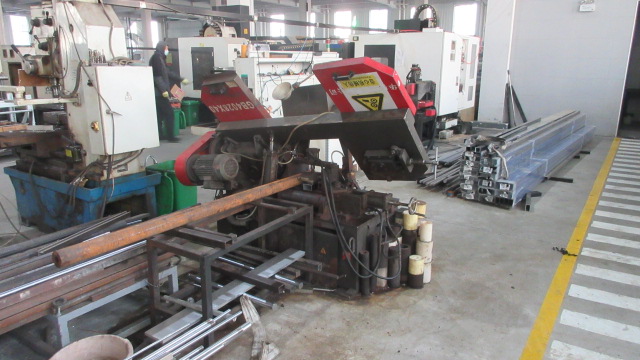
Founded in May 2010, Chengdu Jigsaw Machine Co., Ltd. is a high-tech enterprise specializing in the research and development, manufacturing, sales, and service of industrial sawing, cutting, and laser material processing equipment. With years of experience in the field of cutting machinery and industrial automation, the company is committed to providing efficient, reliable, and intelligent cutting solutions for global customers across a wide range of industries.
The company’s main product portfolio includes handheld jigsaw machines, industrial reciprocating saws, CNC sawing and cutting systems, automated cutting production lines, gantry-type heavy-duty cutting machines, tube and profile cutting equipment, as well as intelligent feeding systems and customized automation solutions. These products are widely used in woodworking, metal fabrication, construction, furniture manufacturing, and general industrial processing.
Since its establishment, the company has continuously focused on innovation and resource integration in R&D, manufacturing, and application development. It has obtained ISO9001 international quality management system certification and CE certification, ensuring that all products meet strict international standards for quality, safety, and performance. Guided by the spirit of "precision manufacturing and pursuit of excellence," the team adheres to a development philosophy of continuous innovation and practical advancement, improving competitiveness and service capabilities worldwide.
When purchasing high-power industrial laser cleaning equipment, engineering and procurement teams must evaluate beyond purchase price. Essential parameters include machine compliance, safety standards, and operational return-on-investment (ROI).
Laser systems operate under strict Class 4 hazard ratings. To safeguard factory personnel, suppliers must guarantee structural safety interlocks and extraction features:
Although the initial capital expenditure of fiber laser cleaning machines is higher than manual sandblasting setups, the operational payback period is typically under 12 months. The cost reduction is driven by:
Expert answers to the most common questions regarding laser surface preparation technology.
No. By tuning the pulse duration, frequency, and scanning speed, the power density is set above the ablation threshold of the contaminant layer (rust, paint, oxide) but below the melting point of the base metal (steel, aluminum). This ensures zero dimensional distortion, micro-cracking, or base metal loss.
High-quality industrial fiber laser sources from top manufacturers (such as Raycus, Maxphotonics, and IPG) have a diode lifespan rating of up to 100,000 operational hours. This translates to more than 10 years of reliable performance under standard double-shift industrial manufacturing conditions with minimal maintenance.
Pulsed lasers deliver short energy bursts, minimizing heat build-up. This is ideal for precision molds and high-tolerance aerospace parts. Continuous-wave (CW) lasers provide a constant stream of energy, allowing for higher speed at lower capital cost, making them perfect for heavy rust on steel structures.
Handheld systems offer flexibility for complex geometries and small-batch processing. Robot-mounted heads integrated with automated lines (via CNC or robotic arm interfaces) are best for high-volume parts, offering consistent focal distance and perfect, repeatable cleaning patterns.
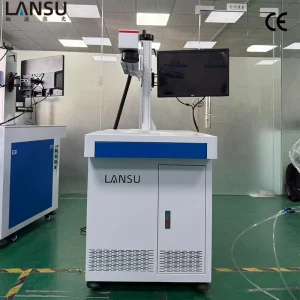
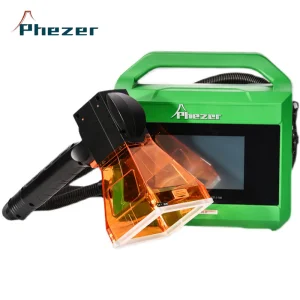
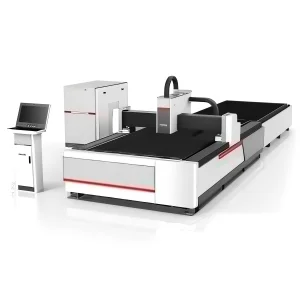
Explore our second selection of high-power fiber cutting tables, flexible robotic welders, and precision laser markers.
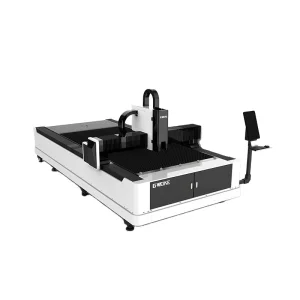
 Jigsaw Machine