Using a laser cutter indoors raises important safety concerns. If you've wondered, "can you use a laser cutter indoors without ventilation?" the short answer is not easily. Safety measures must be at the forefront of any indoor laser cutting project. Toxic fumes and fine particles can build up rapidly.
Many users turn to laser cutters for crafting and prototyping. However, working without proper air circulation can lead to harmful exposure. Even if you feel safe, the risks are often invisible. It’s crucial to consider alternative methods to manage air quality. This might include using air filtration systems or working in intervals.
Educating yourself is vital. Understanding your machine and materials helps mitigate dangers. However, relying solely on safety assumptions can be misleading. Always test your setup and monitor air conditions closely. Balancing creativity and safety is not just ideal; it is necessary. Consider these factors before starting your next indoor project.
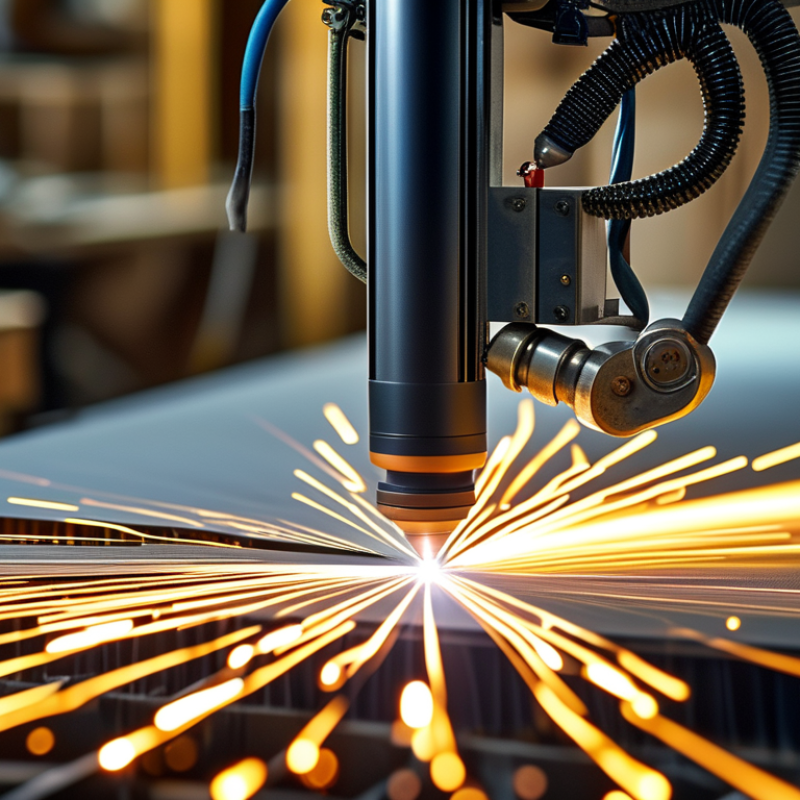
Understanding the Risks of Indoor Laser Cutting Without Ventilation
When cutting materials indoors with a laser, safety should always be your priority. One of the biggest risks is inhaling harmful fumes. These fumes can arise from burning plastics, woods, and other materials. Without proper ventilation, these toxins can build up quickly, affecting your health.
To mitigate this risk, consider using a fume extractor. A good extractor can significantly reduce harmful air particles. It is essential to choose an extractor suitable for your specific setup. Even with extraction, ensure you use materials that produce fewer toxins. For example, avoid certain plastics or treated woods that can emit toxic gases when cut.
It’s also beneficial to monitor air quality regularly. Devices that measure particulate matter can help. A simple check of air quality can guide you on your next steps. This may seem like an extra step, but it's crucial for long-term safety.
Laser cutting indoors presents many challenges. Regular breaks can help you regain focus and balance. Take time to breathe fresh air, even if you're just stepping outside for a moment. Reflect on your setup, and think about any improvements that may enhance safety. Your health matters more than any project.
Laser Cutting Materials: Which Are Safe for Indoor Use?
When using a laser cutter indoors, choosing the right materials is crucial for safety. Materials like acrylic, wood, and certain fabrics generally work well. These materials produce less hazardous fumes when cut. However, not all wood types are safe. Plywood often contains glue that releases toxic gases during cutting. Always be cautious with unknown materials. Research their composition before use.
When considering safety, focus on the fumes generated. Engaging in laser cutting with materials like PVC can release harmful chlorine gas. This is dangerous in a confined space. It’s essential to have a clear understanding of the materials at hand. Often, makers might underestimate the risks. Planning for ventilation, even in limited settings, is vital.
Using a laser cutter can be rewarding, but it comes with responsibilities. Ensure your workspace is clean and organized. Keep safety gear handy. Regularly inspect your materials. Sometimes, even common items can behave unpredictably. Awareness of these factors enhances both safety and creativity during your projects.
Essential Protective Equipment for Indoor Laser Cutting Operations
Indoor laser cutting can be exciting and creative. However, safety should always come first. Essential protective equipment plays a vital role in ensuring that operators are safe from potential hazards. Many people overlook the importance of personal protective gear, which can lead to severe health risks.
When using a laser cutter indoors, it’s crucial to wear protective eyewear. Laser beams can cause serious eye injuries. Additionally, a dust mask or respirator is necessary to filter out harmful fumes released during the cutting process. Even if the material seems safe, unexpected reactions can occur. Gloves are advisable as well to prevent skin contact with sharp edges or heated components.
Ensure you have proper clothing. Long sleeves and pants made of natural fibers provide better protection. You might feel comfortable in casual clothing, but it may not offer enough safety. Consider your environment too. Sometimes labeling and signage can help remind co-workers about potential hazards. Even with these precautions, mistakes can happen. Regular reflection on safety practices and equipment effectiveness can lead to better operations in the long run.
How to Use a Laser Cutter Indoors Without Ventilation Safely? - Essential Protective Equipment for Indoor Laser Cutting Operations
| Protective Equipment |
Purpose |
Recommended Features |
Usage Tips |
| Laser Safety Goggles |
Protect eyes from harmful laser radiation |
Must meet the appropriate optical density rating for the laser type |
Always wear them when operating the laser cutter |
| Respirator or Mask |
Prevent inhalation of harmful fumes and particulates |
Choose a mask rated for particles and organic vapors |
Replace filters regularly and ensure a tight seal |
| Fire Extinguisher |
Quick response to fires caused by flammable materials |
Class A, B, and C extinguisher for versatility |
Know how to use it before an emergency arises |
| Protective Clothing |
Shield skin from laser burns and hot materials |
Use fire-resistant materials |
Avoid loose clothing that can catch fire |
| Ventilation Equipment |
Improve airflow and remove toxic fumes |
Portable fume extractor or air purifier |
Use during and after cutting to maintain air quality |
Implementing Effective Fume Management Strategies
When using a laser cutter indoors without proper ventilation, managing fumes is crucial. Fume extraction systems can help reduce harmful exposure. Employing effective fume management strategies is key to a safe workspace.
Tip: Invest in a high-quality fume extractor. These devices filter out particles and harmful gases. Ensure it has a activated carbon filter to tackle volatile organic compounds. Regular maintenance of the extractor is necessary for effectiveness.
Another approach is to keep your work area organized and clean. Clutter can trap fumes and reduce airflow. Consider positioning your laser cutter near a window. Fresh air can help dissipate fumes more effectively. Make sure your space is well-lit and spacious to avoid accidents.
Stay aware of material safety data sheets (MSDS). They provide important information on the properties of the materials you are cutting. Understanding these can guide your fume management approach. Always have a plan in case of excessive fumes. Have an air monitor to provide real-time data on air quality.
Monitoring Air Quality: Tools and Techniques for Safe Indoor Use
When using a laser cutter indoors, monitoring air quality is essential for safety. Harmful gases and particles can be released during the cutting process. The risk increases in confined spaces without proper ventilation. Using air quality monitoring tools can help detect harmful levels of substances. Devices like particulate matter sensors and VOC meters can provide real-time data. It's vital to regularly check air quality to ensure a safe working environment.
Aside from monitoring, employing techniques to mitigate risks is crucial. Wearing appropriate masks can reduce inhalation of harmful particles. An air purifier equipped with a HEPA filter can enhance indoor air quality. Regular maintenance of the laser cutter is also important. Dust and debris can accumulate, potentially affecting air quality and machine performance.
Reflection is necessary in this process. Are you monitoring the right pollutants? Is your space adequate for indoor use? These questions can help you realize areas for improvement. Consider conducting regular audits of your workspace. Engaging with safety guidelines can enhance your understanding. Ultimately, prioritizing safety through proactive measures can lead to a healthier crafting environment.
Conclusion
Using a laser cutter indoors without ventilation raises significant health risks, including exposure to harmful fumes and particulate matter. It's crucial to understand the types of materials suitable for indoor cutting, as some may release toxic byproducts when heated. When pondering "can you use a laser cutter indoors without ventilation," one must prioritize safety by utilizing essential protective equipment, such as masks and laser goggles, to shield against potential hazards.
To ensure a safer indoor laser cutting environment, implementing effective fume management strategies is vital. This can include using air purifiers, fume extractors, and ensuring proper airflow. Additionally, monitoring air quality with appropriate tools can help track the safety levels within the workspace, allowing for quick action if pollution levels rise. By following these guidelines, one can engage in laser cutting operations indoors more safely, minimizing risks associated with poor ventilation.

 Jigsaw Machine