CO2 laser marking machines have revolutionized the manufacturing and marking industries. They offer precision and versatility in engraving various materials. Understanding what materials can a CO2 laser marking machine engrave is crucial for businesses looking to optimize their production processes.
Studies indicate that CO2 lasers can effectively engrave organic materials like wood, leather, and paper. A report from MarketsandMarkets highlights that the global laser marking market is expected to reach $5.84 billion by 2026. This growth reflects the increasing demand for these machines across sectors such as packaging, electronics, and automotive.
In addition, CO2 lasers can mark glass and acrylic with remarkable detail. The technology is also capable of working with certain plastics and rubber, expanding its application range. However, not all materials are suitable for CO2 engraving. Materials containing high levels of pigment may not yield desired results. Businesses need to be aware of these limitations to avoid costly mistakes.
Understanding CO2 Laser Marking Technology
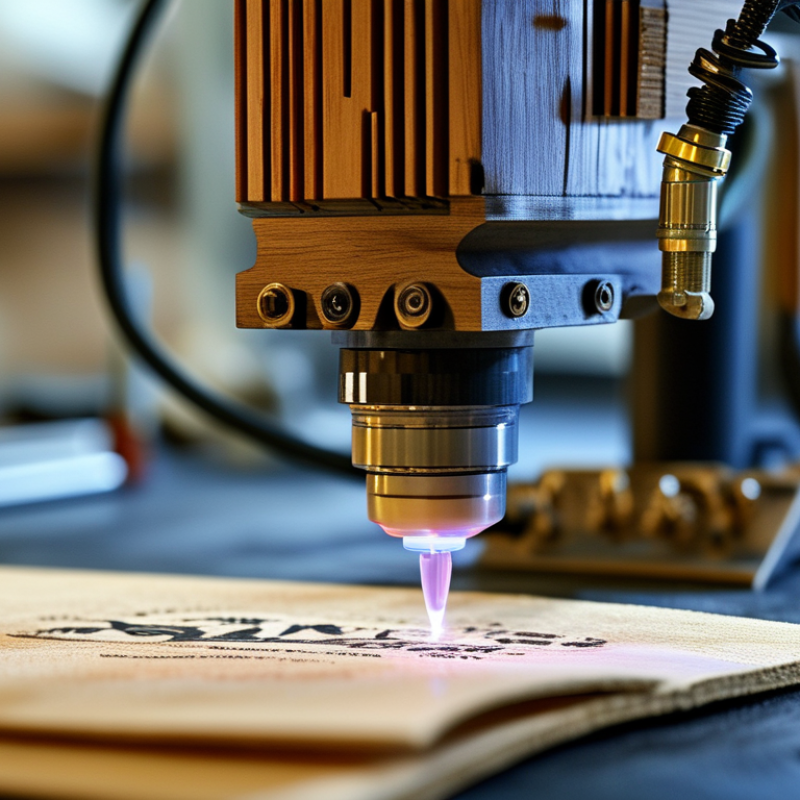
CO2 laser marking technology offers precise and versatile engraving options across various materials. This technique utilizes a high-powered CO2 laser to create clear, permanent marks. It works effectively on organic materials such as wood, acrylic, glass, and leather. According to industry reports, CO2 lasers account for over 30% of the laser marking market due to their efficiency and ability to achieve intricate designs.
One fascinating aspect of CO2 laser marking is its ability to produce high-contrast markings on non-metal surfaces. This capability is particularly valuable in industries such as packaging and signage. For instance, a study indicates that CO2 lasers can increase productivity in marking applications by up to 40%. However, it's essential to note that not all materials yield the same results. Certain plastics, like polyethylene, may react poorly, causing melting or discoloration.
The technology is constantly evolving, but it isn't without its challenges. Users must consider factors like material composition and thickness. Achieving optimal results often requires experimentation. Furthermore, safety precautions are vital due to the high power of the laser. As the market grows, understanding these nuances remains crucial for successful applications in various fields.
Common Materials for CO2 Laser Engraving
CO2 laser marking machines are versatile tools for engraving various materials. They are particularly effective on organic materials such as wood, leather, and acrylic. A study by the Laser Institute of America highlights that CO2 lasers can create precise markings on these surfaces, making them popular in the crafts and customization industries. For instance, wood engravings can reveal fine details, while leather benefits from the smooth edges a laser can produce.
In addition to organic materials, CO2 lasers perform well on glass, ceramics, and some plastics. This versatility allows artists and manufacturers to use them for personalized gifts and branding. According to a report by ResearchAndMarkets, the demand for laser engraving in industrial applications has grown by over 15% in recent years. This surge is driven by advances in technology and the rising popularity of custom products.
Tips: To achieve the best results, ensure your materials are clean and free from coatings. Test your settings on a small sample before starting your project. Remember, not all plastics are suitable for engraving; research material compatibility to avoid damage. Sometimes, adjustments may be needed to optimize the quality of your engravings.
Common Materials for CO2 Laser Engraving
Benefits of Using CO2 Lasers on Various Surfaces
CO2 laser marking machines offer versatile engraving options for various surfaces, making them invaluable in different industries. They can effectively engrave materials like wood, plastic, glass, and fabric. According to a recent industry report, the demand for CO2 lasers is projected to grow at a CAGR of 5.5% through 2027. This growth highlights their efficiency and efficacy across applications.
Using CO2 lasers has several benefits. They produce high-contrast markings that are permanent and aesthetically pleasing. The precision of these lasers allows for intricate designs, enhancing product branding. For example, a study found that products with laser-engraved logos saw a 30% increase in consumer recognition. This makes laser marking a smart choice for businesses aiming to stand out.
Tips: Always test on a sample piece before full-scale engraving. Uneven surfaces may require adjustment of the laser’s focus. Remember, different materials react variably to the laser's heat. Keep your machine clean. This enhances performance and longevity. Regular maintenance can prevent unexpected issues.
What Materials Can a CO2 Laser Marking Machine Engrave? - Benefits of Using CO2 Lasers on Various Surfaces
| Material |
Application |
Benefits |
| Wood |
Engraving custom designs or logos |
High detail and precision; eco-friendly |
| Acrylic |
Creating signs and displays |
Polished edges; vibrant colors |
| Glass |
Personalizing gifts and awards |
Permanent marking; no wear over time |
| Leather |
Custom apparel and accessories |
Detailed designs; enhances product appeal |
| Fabric |
Sewing patterns and textile designs |
Precision cutting; intricate designs possible |
| Ceramic |
Custom kitchenware and decorations |
Durable markings; heat resistant |
| Cardboard |
Packaging and artistic projects |
Cost-effective; easy to customize |
Limitations and Considerations for Specific Materials
Engraving with a CO2 laser marking machine opens up possibilities across various materials. However, certain limitations exist that users must consider. For instance, while wood and acrylic respond well to laser engraving, metals require specific treatment. Not all metal surfaces are suitable for direct engraving. Some may need pre-coating or special marking techniques to achieve desired results. This complicates the process and can lead to inconsistent outcomes.
Additionally, materials like glass and certain plastics can pose challenges. While glass can yield beautiful engravings, it is fragile and may crack under high heat. On the other hand, some plastics may emit harmful fumes when lasered. Users must understand these characteristics to ensure safety and quality. Using appropriate ventilation and protective equipment is crucial for handling these materials.
Moreover, the intricacies of engraving parameters may vary significantly. Speed, power, and frequency settings all affect the final product. A lack of experience with specific materials can lead to trial-and-error situations, resulting in wasted resources. Balancing experimentation with informed choices is key for achieving satisfactory outcomes in laser engraving.
Applications of CO2 Laser Engraving Across Industries
CO2 laser engraving machines have revolutionized various industries. Their versatility allows them to mark and engrave a wide range of materials. Common applications include plastics, wood, glass, fabric, and certain types of metal. A report by Research and Markets indicates the CO2 laser market is expected to reach $1.1 billion by 2025, showcasing its growing relevance.
In the packaging industry, CO2 lasers are used for product labeling and branding. They provide precision and speed, meeting the demands of high-volume production. According to a study from Technavio, the demand for laser marking in packaging is projected to grow at a CAGR of 5.4% over the next five years. This growth is evident as businesses look for effective ways to enhance product visibility and compliance.
The medical field is another area where CO2 laser technology makes a significant impact. It is used for engraving medical devices and instruments, ensuring high precision and cleanliness. Research by the Medical Device and Diagnostic Industry states that regulatory requirements for traceability are driving the need for precise marking solutions. However, challenges arise, such as material compatibility and potential heat-affected zones, which require careful consideration during the engraving process.
FAQS
: CO2 laser marking works effectively on wood, acrylic, glass, and leather. It also marks certain plastics and fabrics.
It increases productivity by up to 40% in marking applications. It provides precise and permanent markings, crucial for branding.
Users must deal with factors like material composition and thickness. Experimentation may be needed for optimal results.
Yes, safety precautions are vital due to the high power of the laser. Proper training and protective gear are necessary.
The market is projected to reach $1.1 billion by 2025, reflecting its increasing relevance in various sectors.
Different materials react differently. Some plastics may melt or discolor, affecting the quality of the engraving.
It is used for engraving medical devices, ensuring high precision and compliance with regulatory requirements for traceability.
Industries such as packaging, manufacturing, and healthcare benefit significantly from this technology. Their needs vary widely.
Yes, there can be a learning curve. Users often need to refine their techniques to achieve desired results.
By providing clear and high-contrast markings, it enhances branding and helps with compliance in competitive markets.
Conclusion
CO2 laser marking machines are versatile tools commonly used in various industries for engraving and marking a wide range of materials. Understanding CO2 laser marking technology is crucial as it enables users to determine what materials can a CO2 laser marking machine engrave effectively. Typical materials include wood, acrylic, glass, leather, and certain types of metals, each providing unique results.
The benefits of using CO2 lasers for engraving include precision, speed, and the ability to create intricate designs on different surfaces. However, there are limitations and considerations for specific materials, such as differences in absorption rates that can affect the quality of engraving. With applications spanning from manufacturing to artistic creations, CO2 laser engraving continues to be a preferred method for achieving high-quality results across diverse sectors.

 Jigsaw Machine