Calculating a laser machine’s hourly cost is more than dividing its purchase price by working hours. It requires a practical view of power, labor, maintenance, and production efficiency. This guide explains how to calculate laser cutting cost per hour with a clear, workshop-based method. It is designed for manufacturers, purchasing teams, and business owners comparing laser cutting services in China.
The calculation begins with the machine’s purchase price, expected service life, and annual operating hours. Add electricity consumption, assist gases, lenses, nozzles, cooling systems, software, and regular maintenance. Labor also matters, even when one operator manages several machines. A real example may include a 3 kW fiber laser using nitrogen, cutting stainless steel sheets for seven productive hours daily. Small details can change the result quickly. Gas pressure, idle time, material thickness, and cutting speed all affect the final hourly rate.
No formula is perfect. Production data can be incomplete, and supplier quotations may hide setup or service charges. That limitation matters. Reliable estimates should be checked against machine logs, utility bills, maintenance records, and recent Chinese supplier prices. The following sections compare the main cost elements and show how China’s top laser cutting providers may structure hourly pricing. Readers can then build a transparent estimate instead of relying on a vague market average. It may take two or three revisions. That is normal. A careful calculation is usually more valuable than a fast one.
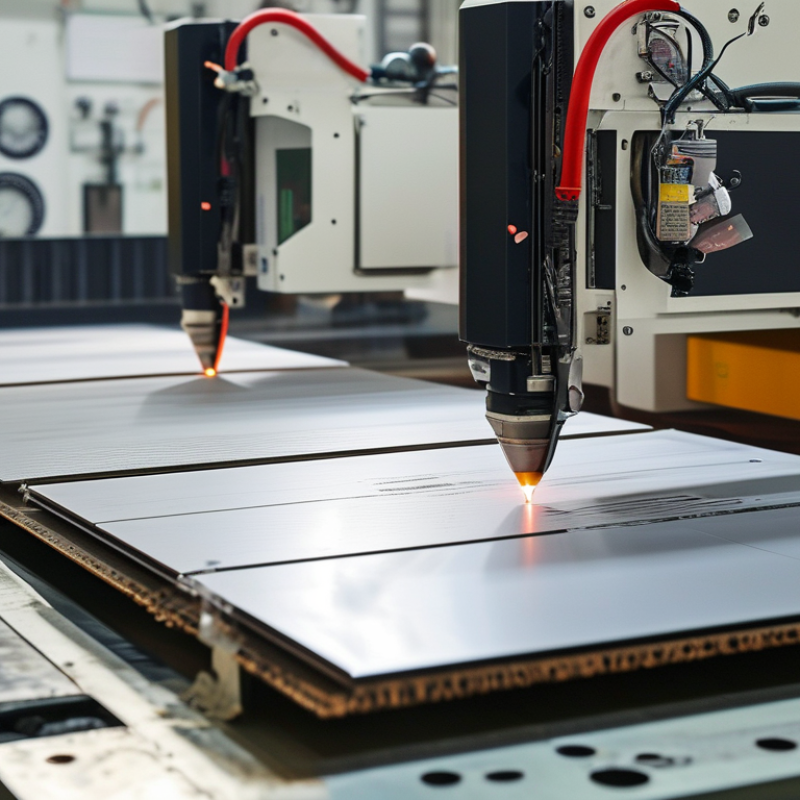
Calculating laser cutting cost per hour in China requires more than dividing the machine price by its service life. The main factors include depreciation, electricity, assist gas, labor, maintenance, consumables, factory rent, and machine utilization. A workshop running 20 hours daily will normally achieve a lower hourly cost than one operating only six hours.
China’s 2024 Laser Industry Development Report estimated China’s laser processing market at more than RMB 90 billion. This scale increases competition, but it does not remove hidden costs. A 3 kW fiber cutting machine may consume roughly 8–15 kWh per operating hour, depending on material and cutting speed. At RMB 0.70 per kWh, electricity costs about RMB 6–11 hourly. Nitrogen or oxygen can add RMB 20–100, while labor may add RMB 30–60.
Consider a machine purchased for RMB 600,000. Over eight years, with 4,000 productive hours annually, depreciation equals about RMB 19 per hour. Add labor, energy, gas, maintenance, and overhead, and the practical cost may reach RMB 150–280 hourly. The figure changes sharply with stainless steel thickness, piercing frequency, and idle time. This estimate is useful, but imperfect. Many quotations ignore setup delays, rejected parts, and nozzle replacement. China’s manufacturing electricity prices also vary by province and time period, so local invoices should replace general assumptions.
How to Measure Machine Productivity and Operating Time
Accurate cost calculation starts with real operating data. Record scheduled hours, setup time, cutting time, idle time, and maintenance separately. A machine running for eight hours may cut material for only five hours. The controller log provides useful laser-on data, but it does not show every delay. Operators should also record nozzle changes, loading time, program adjustments, and short stops. Keep it practical.
Machine utilization can be calculated as cutting time divided by scheduled time, then multiplied by 100. For example, five cutting hours in an eight-hour shift equals 62.5% utilization. Productivity needs another measure, such as finished parts per cutting hour or processed kilograms per hour. Record part quantity, material thickness, cutting length, and completed time. These details help explain why two shifts produce different results.
Small errors can change the hourly cost. A manual log may miss repeated ten-minute interruptions. An automatic timer may count trial cuts as productive work. Our early worksheets treated all machine power time as production time, which overstated efficiency. A better method compares controller records with operator notes and job sheets. Review several shifts, not one unusual day. Then divide total hourly expenses by verified productive hours, rather than scheduled hours. Expect the first calculation to need correction.
Step-by-Step Formula for Calculating Laser Cutting Cost Per Hour
Measure actual electricity use at the machine, not only the laser’s rated power. Include the laser source, chiller, exhaust system, compressor, and controls. The basic formula is: Hourly cost = [(total kW × electricity rate × cutting-time ratio) + labor + consumables + maintenance + depreciation]. Keep units consistent. The U.S. Energy Information Administration reported an average industrial electricity price of about 8 cents per kWh in 2023, but local Chinese tariffs can differ by province and operating period.
Consider a practical example. A power meter records 12 kW during cutting. Electricity costs 0.70 yuan per kWh, and the machine cuts for 70% of each paid hour. Energy cost equals 12 × 0.70 × 0.70, or 5.88 yuan. Add 45 yuan for labor, 18 yuan for assist gas and nozzles, 12 yuan for maintenance, and 30 yuan for depreciation. The estimated cost becomes 110.88 yuan per hour. Depreciation should use purchase price, expected service life, and realistic annual operating hours, rather than a convenient guess.
The International Energy Agency’s Energy Efficiency 2023 report identifies industry as responsible for roughly 37% of global final energy demand. That figure makes energy tracking commercially important, even for smaller workshops. Reality is messier. Thick plates, frequent piercing, idle time, and rejected parts can raise the effective cost sharply. Review actual meter readings and production records each month. A perfect formula rarely survives the factory floor.
Material usually creates the largest cost. Record sheet price, thickness, usable area, nesting loss, and scrap value. A 2,000 mm × 1,000 mm steel sheet may produce only 85% saleable parts. The remaining 15% still consumes purchasing cash. World Steel Association reported 1.89 billion tonnes of crude steel production in 2023, but global price differences remain substantial. Use current supplier quotations, not old assumptions.
Energy includes the laser source, chiller, extraction unit, compressed air, and assist gases. The U.S. Energy Information Administration reported recent industrial electricity prices near 8–9 cents per kWh. Measure actual machine load with a power meter. Rated power can mislead. A machine drawing 20 kW for 30 minutes uses 10 kWh, before gas costs. Small details matter.
Labor should include loading, programming, inspection, cleaning, and waiting time. The U.S. Bureau of Labor Statistics listed a 2023 median wage of $61,420 for industrial machinery mechanics. Add payroll costs and realistic utilization. Maintenance needs a reserve for lenses, nozzles, filters, lubrication, calibration, and unexpected downtime. Many workshops reserve 5–10% of machine value annually, but this is only a planning benchmark. The honest calculation is: hourly cost equals material, energy, labor, maintenance, and overhead divided by productive cutting hours. The weak point is utilization. A machine running eight hours may cut for only five.
How to Compare and Optimize Laser Cutting Costs in China
Comparing laser cutting costs in China requires more than checking an hourly machine rate. Use the same drawing, material grade, thickness, tolerance, and delivery terms for every quotation. Separate cutting time from setup, programming, labor, electricity, assist gas, maintenance, inspection, and packaging. A practical cost formula is hourly rate multiplied by machine time, plus material and service charges. Request ten clear cost items. This exposes hidden differences between suppliers.
Tips: Ask for a timed sample cut. Check edge quality, burrs, pierce marks, and dimensional accuracy. Compare useful parts per sheet, not only the quoted sheet price. Better nesting can reduce scrap significantly. Confirm whether minimum order quantities or overtime fees apply. A low hourly rate may hide slower piercing or frequent machine adjustment.
Optimization should begin with the process, not just negotiation. Choose common sheet sizes when possible, simplify unnecessary tolerances, and group similar orders. Review machine age, operator experience, maintenance records, and inspection procedures. These details affect stable production. In one real estimate, our expected cutting time was too short because small holes required extra piercing cycles. The mistake was useful, but avoidable. Ask suppliers to explain their assumptions in writing. Prices can change with material markets, energy costs, exchange rates, and delivery schedules, so review quotations before production rather than trusting an old spreadsheet.
Practical hourly cost model for a fiber laser cutting operation in China. All figures are indicative RMB estimates and exclude raw material, taxes, delivery, and profit margin.
| Cost Dimension | Calculation Basis | Typical Range (RMB/hour) |
Example (RMB/hour) |
Comparison and Optimization Guidance |
|---|---|---|---|---|
| 1. Machine Depreciation | Purchase price ÷ useful service life ÷ annual productive hours. A practical calculation commonly uses 7–10 years and 4,000–6,000 productive hours per year. | 35–70 | 50 | Higher-power machines usually require greater capital investment. Improve utilization and reduce idle time before purchasing additional capacity. |
| 2. Financing and Capital Cost | Interest, leasing cost, or required return on invested capital allocated to productive machine hours. | 10–30 | 18 | Compare the total financing cost, not only the machine purchase price. Faster throughput can reduce capital cost per finished part. |
| 3. Electricity | Average machine input power × local electricity tariff. A cutting system may consume approximately 15–30 kW during normal operation, depending on configuration and laser power. | 10–25 | 16 | Use actual meter readings where possible. Preventive maintenance, correct parameter settings, and reduced standby time lower energy consumption. |
| 4. Assist Gas | Gas flow rate × gas price. Oxygen is generally less expensive than nitrogen, while nitrogen consumption can increase significantly with thicker stainless steel or aluminum cutting. | 10–50 | 28 | Optimize gas pressure, nozzle alignment, and cutting parameters. Compare bottled gas, liquid supply, and on-site nitrogen generation according to usage volume. |
| 5. Consumables | Nozzles, protective windows, ceramic rings, lenses, filters, lubricants, and other replaceable components allocated by operating hour. | 5–18 | 10 | Correct focus, clean optics, stable gas quality, and suitable nozzle selection can reduce premature consumable replacement. |
| 6. Direct Labor | Operator wages, statutory employment costs, and shift labor allocated to machine operating hours. | 20–50 | 32 | Multi-machine supervision, standardized work instructions, and automatic loading and unloading can reduce labor cost per processed part. |
| 7. Maintenance and Repairs | Preventive service, calibration, spare parts, technician support, and expected repair cost divided by productive hours. | 15–40 | 24 | Scheduled cleaning and calibration generally cost less than unplanned downtime, scrap, and emergency repair. |
| 8. Factory and Facility Cost | Workshop rent, lighting, compressed air, cooling equipment, ventilation, safety systems, and related facility expenses allocated per hour. | 8–25 | 14 | Improve floor-space utilization and keep cooling, extraction, and compressed-air systems properly maintained. |
| 9. Software, Quality, and Administration | Programming, nesting software, inspection, production planning, traceability, administration, and quality-control labor. | 5–20 | 10 | Use standardized drawing templates, automatic nesting, reusable cutting libraries, and digital production records. |
| 10. Downtime and Utilization Allowance | Allocated cost caused by setup, loading, unloading, material changes, programming, waiting, cleaning, and minor stoppages. | 10–35 | 20 | Measure productive cutting time separately from occupied machine time. Higher utilization reduces the hourly burden of fixed costs. |
| Estimated Direct Machine Operating Cost | Sum of the ten cost dimensions above, excluding raw material, packaging, freight, taxes, and profit. | 128–363 | 204 | Use the actual productive-hour data of the workshop rather than relying only on a supplier’s nominal machine rate. |
| Illustrative Job Cost | Machine operating cost × machine time + setup cost + material cost + finishing or inspection cost. | — | — | Example: 204 RMB/hour × 1.5 hours = 306 RMB machine cost. Add setup, material, and other job-specific costs separately. |
Key factors include depreciation, electricity, assist gas, labor, maintenance, consumables, rent, and machine utilization. Idle time matters.
A workshop operating 20 hours daily usually has lower hourly costs than one operating six hours. Fixed costs spread across more productive hours.
It may consume about 8–15 kWh per operating hour, depending on material and cutting speed. A power meter gives better evidence.
Electricity may cost around RMB 6–11 hourly at RMB 0.70 per kWh. Assist gas can add RMB 20–100. Labor may add RMB 30–60.
Divide the purchase price by expected service life and realistic productive hours. For example, RMB 600,000 over eight years and 4,000 annual hours equals about RMB 19 hourly. The assumption may be optimistic.
Hourly cost equals energy, labor, consumables, maintenance, depreciation, and overhead. Energy cost equals total kW multiplied by electricity rate and cutting-time ratio. Keep every unit consistent.
A machine using 12 kW, cutting 70% of each hour, costs RMB 5.88 in electricity. Adding RMB 45 labor, RMB 18 gas and nozzles, RMB 12 maintenance, and RMB 30 depreciation gives RMB 110.88 hourly.
Thick plates, frequent piercing, setup delays, rejected parts, and idle time raise effective costs. Nozzle replacement is often overlooked. Reality is messier.
No. Industrial tariffs can vary by province and operating period. Use local invoices instead of general assumptions. Meters tell more.
Calculating laser cutting cost per hour in China requires a clear understanding of the main expenses involved in daily production. These include machine purchase and depreciation, material consumption, electricity, labor, gas, maintenance, tooling, and workshop overhead. Machine productivity should be measured by recording actual cutting time, setup time, loading and unloading, idle periods, and scheduled working hours. This provides a realistic view of how efficiently the equipment is being used.
To understand how to calculate laser cutting cost per hour, first add the hourly cost of depreciation, energy, labor, materials, maintenance, and other operating expenses. Then divide the total by the effective production hours or completed output, depending on the purpose of the calculation. Comparing these figures across different machines, materials, thicknesses, and production schedules can reveal areas for improvement. Better nesting, reduced idle time, preventive maintenance, and accurate job planning can help control costs while maintaining consistent cutting quality and productivity.

Jigsaw Machine